




Sea Lemon is
(a) Echinarachnius
(b) Doris
(c) Limax
(d) Nautilus
Answer
 Verified
607.2k+ views
Hint: These organisms are commonly found on the sea floors with a slimy body and compared to the other organisms of their family they lack strong shells that are made up of biopolymer chitin and different layers of protein.
Complete answer:
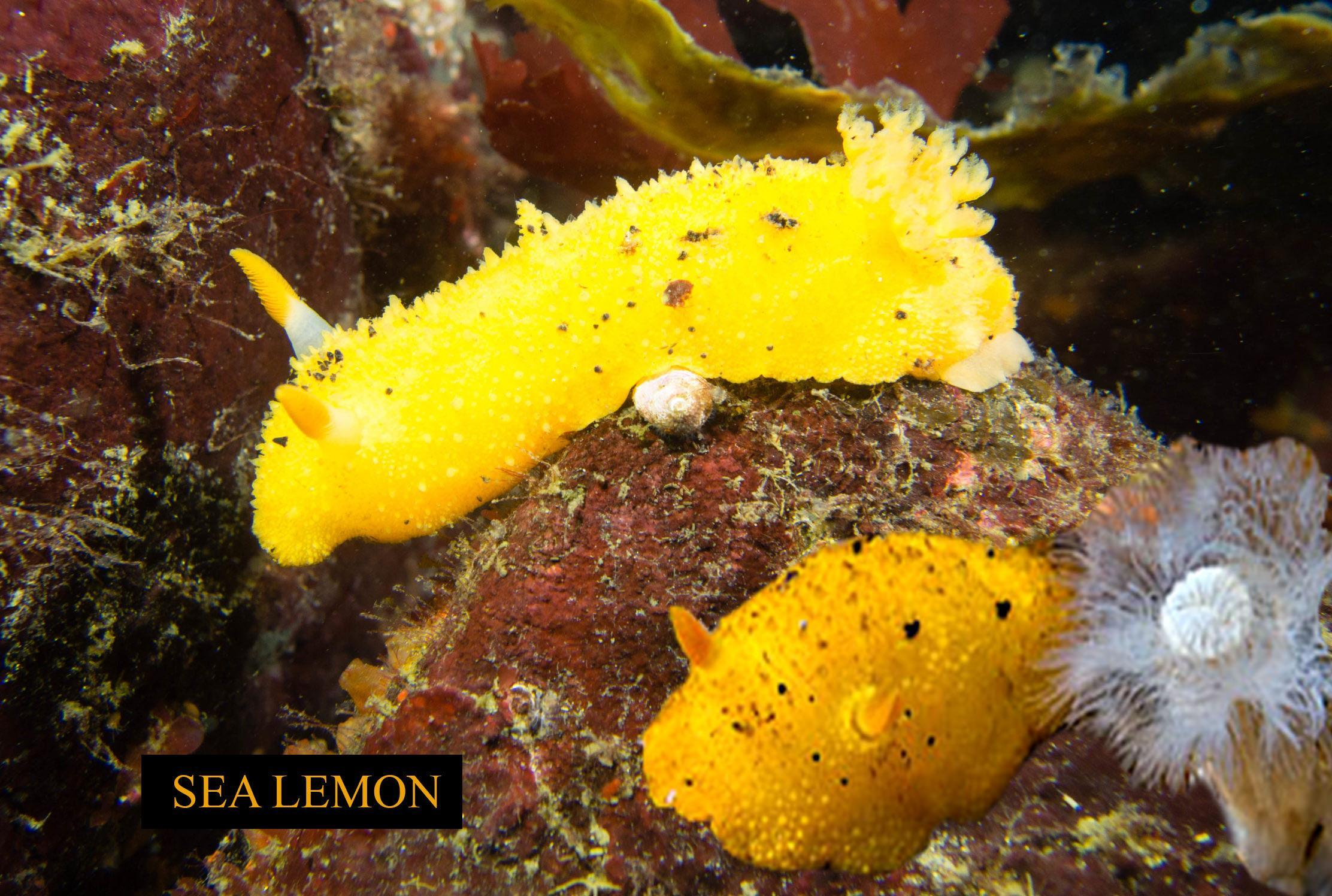
Sea lemon is Doris which is a genus of gastropod sea mollusks. They are molluscs seen in oceans which are a part of the family Doradidae. The colloquial name of Doris is sea lemon, due to its physical appearance. The main food source of these molluscs is the encrusting organisms.
Additional information:
- The colloquial name of Doris, came due to the close physical appearance of these animals to a lemon. They have bright yellow color with tough skin and they appear oval in shape when they are looked at from the top.
- Sea lemons major diet includes sponges and they put eggs of the color white and yellow in a ribbon form. The taxonomic hierarchy of the Otididae family includes various genera. The name dorids are derived from the name of ancient Greek creatures, sea nymph Doris.
- Sea lemons can grow up to 20 cm and have a flattened body that looks oval in shape from the top. The presence of two hornlike structures called rhinophores on the head and the presence of tubercles are unique in these organisms.
So, the correct answer is ‘Doris’.
Note:
- Phylum mollusca is the second- largest among the invertebrate animals. A variety of fossils of these organisms have been obtained from The ocean floors and almost 60,000 to 100,000 species are found including the ancestral ones.
- Haemocyanin is rich in copper and haemoglobin is rich in iron which aids in the transport of materials. Due to this reason, organisms with hemocyanin in their blood have blue colour blood. The majority of molluscs and arthropods have blue colour blood due to the presence of hemocyanin.
- Three major universal characteristics differentiate molluscs, which is the presence of a mantle with a certain space that is used for respiration and removing waste materials, but these shells are absent in slugs.
Complete answer:
Sea lemon is Doris which is a genus of gastropod sea mollusks. They are molluscs seen in oceans which are a part of the family Doradidae. The colloquial name of Doris is sea lemon, due to its physical appearance. The main food source of these molluscs is the encrusting organisms.
Additional information:
- The colloquial name of Doris, came due to the close physical appearance of these animals to a lemon. They have bright yellow color with tough skin and they appear oval in shape when they are looked at from the top.
- Sea lemons major diet includes sponges and they put eggs of the color white and yellow in a ribbon form. The taxonomic hierarchy of the Otididae family includes various genera. The name dorids are derived from the name of ancient Greek creatures, sea nymph Doris.
- Sea lemons can grow up to 20 cm and have a flattened body that looks oval in shape from the top. The presence of two hornlike structures called rhinophores on the head and the presence of tubercles are unique in these organisms.
So, the correct answer is ‘Doris’.
Note:
- Phylum mollusca is the second- largest among the invertebrate animals. A variety of fossils of these organisms have been obtained from The ocean floors and almost 60,000 to 100,000 species are found including the ancestral ones.
- Haemocyanin is rich in copper and haemoglobin is rich in iron which aids in the transport of materials. Due to this reason, organisms with hemocyanin in their blood have blue colour blood. The majority of molluscs and arthropods have blue colour blood due to the presence of hemocyanin.
- Three major universal characteristics differentiate molluscs, which is the presence of a mantle with a certain space that is used for respiration and removing waste materials, but these shells are absent in slugs.
Recently Updated Pages
Master Class 12 Economics: Engaging Questions & Answers for Success

Master Class 12 English: Engaging Questions & Answers for Success
Master Class 12 Social Science: Engaging Questions & Answers for Success
Master Class 12 Maths: Engaging Questions & Answers for Success
Master Class 12 Physics: Engaging Questions & Answers for Success
Master Class 9 General Knowledge: Engaging Questions & Answers for Success
Trending doubts
One Metric ton is equal to kg A 10000 B 1000 C 100 class 11 physics CBSE
Difference Between Prokaryotic Cells and Eukaryotic Cells
Two of the body parts which do not appear in MRI are class 11 biology CBSE
1 ton equals to A 100 kg B 1000 kg C 10 kg D 10000 class 11 physics CBSE
Draw a diagram of nephron and explain its structur class 11 biology CBSE
10 examples of friction in our daily life