




Release of pancreatic juice is stimulated by
(a)Enterokinase
(b)Secretin
(c)Trypsinogen
(d)Cholecystokinin
Answer
 Verified
605.4k+ views
Hint: The pancreatic juice is an alkaline juice containing enzymes for the digestion of food by the exocrine portion of the pancreas. The release of pancreatic juice is stimulated by a hormone released by the small intestine.
Complete answer:
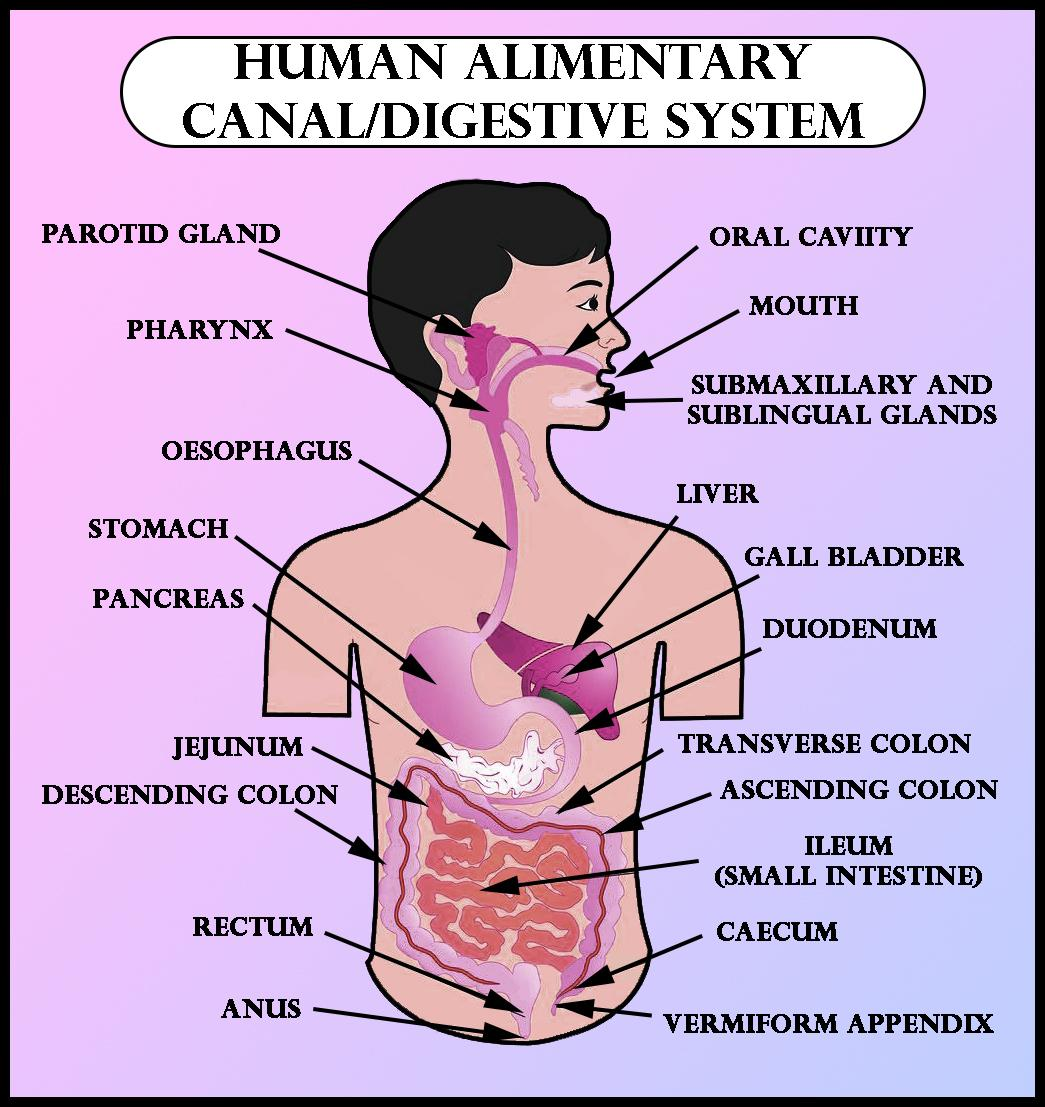
Cholecystokinin CCK is an enzyme released from the gastrointestinal tract of the small intestine and is responsible for the secretion of pancreatic juice and bile juice by stimulating the pancreas and gallbladder respectively. The pancreatic juice along with the bile juice opens into the duodenum region of the small intestine through the hepatopancreatic duct which is guarded by the sphincter of Oddi. The pancreatic juice contains inactive enzymes such as trypsinogen, chymotrypsinogen, procarboxypeptidase, amylases, lipases, and nucleases.
Additional Information: Let us look at the other terms given in the options.
Enterokinase: Enterokinase is an enzyme secreted by the mucosa layer of the small intestine which is responsible for converting inactive trypsinogen into active trypsin.
Secretin: Secretin is another hormone released from the gastrointestinal tract and is responsible for the secretion of water and bicarbonate ions by stimulating the exocrine part of the pancreas.
Trypsinogen: Trypsinogen is an enzyme of the pancreatic juice which is responsible for activating all the other enzymes of that juice once it is activated.
So, the correct option is ‘Cholecystokinin’.
Note: -The bile juice released from the gallbladder does not contain any enzymes. It has bile salts in it which are responsible for the emulsification of fats.
-Along with pancreatic and bile juice, another juice is released at the duodenum known as the intestinal juice or succus entericus.
-Succus entericus is made up of secretions from the brush border epithelium cells of the small intestine and goblet cells.
Complete answer:
Cholecystokinin CCK is an enzyme released from the gastrointestinal tract of the small intestine and is responsible for the secretion of pancreatic juice and bile juice by stimulating the pancreas and gallbladder respectively. The pancreatic juice along with the bile juice opens into the duodenum region of the small intestine through the hepatopancreatic duct which is guarded by the sphincter of Oddi. The pancreatic juice contains inactive enzymes such as trypsinogen, chymotrypsinogen, procarboxypeptidase, amylases, lipases, and nucleases.
Additional Information: Let us look at the other terms given in the options.
Enterokinase: Enterokinase is an enzyme secreted by the mucosa layer of the small intestine which is responsible for converting inactive trypsinogen into active trypsin.
Secretin: Secretin is another hormone released from the gastrointestinal tract and is responsible for the secretion of water and bicarbonate ions by stimulating the exocrine part of the pancreas.
Trypsinogen: Trypsinogen is an enzyme of the pancreatic juice which is responsible for activating all the other enzymes of that juice once it is activated.
So, the correct option is ‘Cholecystokinin’.
Note: -The bile juice released from the gallbladder does not contain any enzymes. It has bile salts in it which are responsible for the emulsification of fats.
-Along with pancreatic and bile juice, another juice is released at the duodenum known as the intestinal juice or succus entericus.
-Succus entericus is made up of secretions from the brush border epithelium cells of the small intestine and goblet cells.
Recently Updated Pages
Master Class 11 Social Science: Engaging Questions & Answers for Success

Master Class 11 English: Engaging Questions & Answers for Success
Master Class 11 Maths: Engaging Questions & Answers for Success
Master Class 11 Chemistry: Engaging Questions & Answers for Success
Master Class 11 Biology: Engaging Questions & Answers for Success
Master Class 11 Physics: Engaging Questions & Answers for Success
Trending doubts
One Metric ton is equal to kg A 10000 B 1000 C 100 class 11 physics CBSE
Difference Between Prokaryotic Cells and Eukaryotic Cells
How many of the following diseases can be studied with class 11 biology CBSE
Two of the body parts which do not appear in MRI are class 11 biology CBSE
Which of the following enzymes is used for carboxylation class 11 biology CBSE
Explain zero factorial class 11 maths CBSE