




Prosimians differ from simians in
a) Having nails instead of claws
b) Having claws in some of the digits
c) Having shorter hind limbs
d) Presence of tail
Answer
 Verified
614.4k+ views
Hint: Primates are placental well-evolved creatures that might be gathered into prosimians and simians. Prosimians are portrayed by their somewhat crude highlights contrasted and those of simians. They incorporate lemurs, lorisoids, tarsiers, adapiforms, and non-simian omomyids. Simians incorporate hominins, chimps, and monkeys.
Complete step by step answer:
The prosimians are described morphologically by having huge ears and eyes. They do not have the shading vision yet they have an upgraded vision under low-light conditions. They are nighttime and arboreal hunters. Their eating routine is contained to a great extent of creepy crawlies and little creatures. They additionally have two horizontally straightened prepping hooks utilized for individual preparation. Notwithstanding, the situation of the preparing paws may fluctuate. For example, the prepping hooks are found on the second and third toes of the tarsiers while those in lemurs and lorises are found on the subsequent toe.
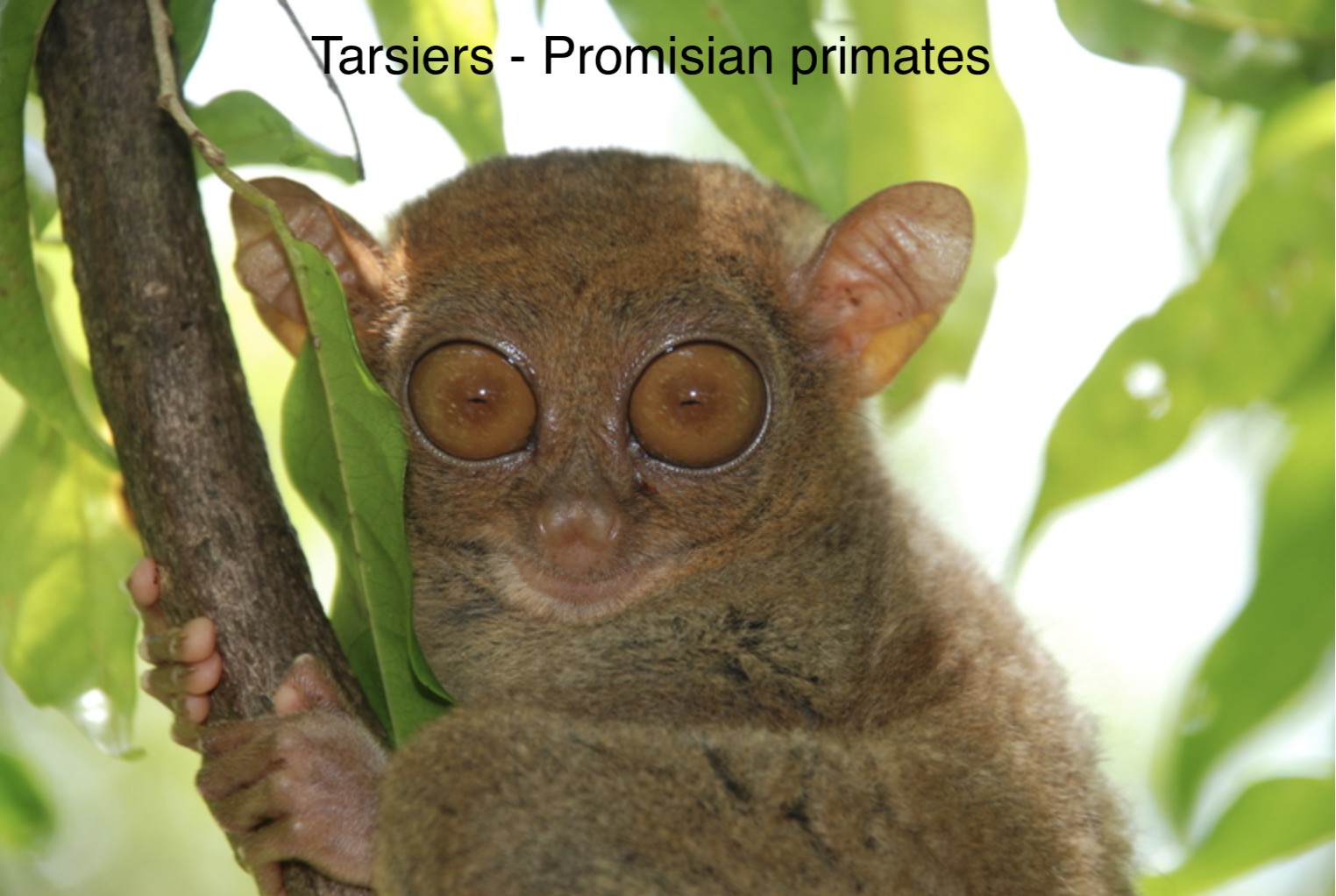
Simians incorporate hominins, primates, and monkeys. The request Primates has two suborders: the Strepsirrhini and the Haplorhini. The Haplorhini incorporates the simians and the tarsiers. The tarsier line and the simian line separated during the Cenozoic time.
So the correct answer is ‘Having claws in some of the digits’.
Additional information: Prosimians have rigid faces contrasted with those of monkeys and primates. Most prosimians have 36 teeth, while west simians, by and large, have 32 teeth. The lower front teeth of prosimians lie on a level plane and project, framing a preparing structure called a dental brush.
Note: The crudest living primates are called prosimians. They are crude as they hold qualities of the absolute first primates from a large number of years back. Prosimians incorporate lemurs, lorises, galagos, and tarsiers. The simian line and the tarsier line separated during the Cenozoic period, for example around 60 million years prior.
Complete step by step answer:
The prosimians are described morphologically by having huge ears and eyes. They do not have the shading vision yet they have an upgraded vision under low-light conditions. They are nighttime and arboreal hunters. Their eating routine is contained to a great extent of creepy crawlies and little creatures. They additionally have two horizontally straightened prepping hooks utilized for individual preparation. Notwithstanding, the situation of the preparing paws may fluctuate. For example, the prepping hooks are found on the second and third toes of the tarsiers while those in lemurs and lorises are found on the subsequent toe.
Simians incorporate hominins, primates, and monkeys. The request Primates has two suborders: the Strepsirrhini and the Haplorhini. The Haplorhini incorporates the simians and the tarsiers. The tarsier line and the simian line separated during the Cenozoic time.
So the correct answer is ‘Having claws in some of the digits’.
Additional information: Prosimians have rigid faces contrasted with those of monkeys and primates. Most prosimians have 36 teeth, while west simians, by and large, have 32 teeth. The lower front teeth of prosimians lie on a level plane and project, framing a preparing structure called a dental brush.
Note: The crudest living primates are called prosimians. They are crude as they hold qualities of the absolute first primates from a large number of years back. Prosimians incorporate lemurs, lorises, galagos, and tarsiers. The simian line and the tarsier line separated during the Cenozoic period, for example around 60 million years prior.
Recently Updated Pages
Master Class 11 Social Science: Engaging Questions & Answers for Success

Master Class 11 English: Engaging Questions & Answers for Success
Master Class 11 Maths: Engaging Questions & Answers for Success
Master Class 11 Chemistry: Engaging Questions & Answers for Success
Master Class 11 Biology: Engaging Questions & Answers for Success
Class 11 Question and Answer - Your Ultimate Solutions Guide
Trending doubts
One Metric ton is equal to kg A 10000 B 1000 C 100 class 11 physics CBSE
Difference Between Prokaryotic Cells and Eukaryotic Cells
Find the value of the expression given below sin 30circ class 11 maths CBSE
1 ton equals to A 100 kg B 1000 kg C 10 kg D 10000 class 11 physics CBSE
Two of the body parts which do not appear in MRI are class 11 biology CBSE
Draw a diagram of nephron and explain its structur class 11 biology CBSE