




Partially digested semi-solid food formed in the stomach is
(a) Chyle
(b) Chyme
(c) Bolus
(d) Chylomicron
Answer
 Verified
602.7k+ views
Hint: The ball-like mixture of food and saliva enters the stomach via the food pipe. In the acidic environment of the stomach, it is converted into a partially digested semi-solid food.
Complete answer:
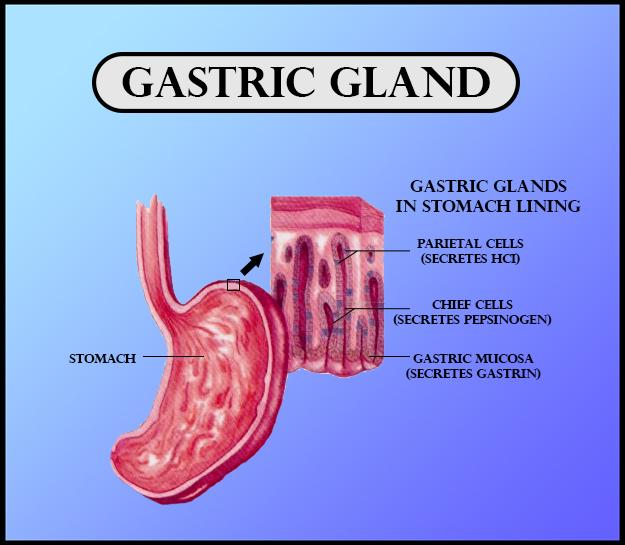
The stomach is a sac-like organ giving an appearance of the letter ‘J.’ It is located between the esophagus and the small intestine. The digestive actions in the acidic environment of the stomach reduce the incoming food particles from the esophagus to a solution known as chyme. Its constituents include molecular fragments of proteins and polysaccharides, droplets of fat, and salt, water, and various other small molecules ingested in the food. HCl secreted by the parietal cells provides an acidic medium for the metabolic reactions in the stomach
Additional Information: -The digestion begins in the mouth with the breakdown of large pieces of food into smaller particles. With the secretions of salivary glands and actions of teeth and tongue, the food shapes into the bolus.
-Chylomicrons are the droplets of glycerol that are formed in the intestine region after the digestion of fats. It consists of lipoprotein particles with the triglycerides and proteins that help in transporting the lipids through the bloodstream to various parts of the body that are consumed through the diet.
-Chyle is a milky colored fluid of thick consistency due to the presence of emulsified fats or free fatty acids in the lymph formed after digestion of fats in the small intestine.
-The secretions of the gastric glands are collectively referred to as gastric juice. They are located in the mucosa layer of the alimentary canal.
So, the correct answer is ‘chyme.’
Note: -The gastric glands consist of chief cells, parietal cells, mucous cells.
-Chief cells secrete pepsinogen in its inactive form that upon conversion to pepsin initiates the digestion of proteins.
-Parietal cells secrete HCl and an intrinsic factor that helps in the absorption of Vitamin B12.
-Mucous cells release alkaline mucus to protect the stomach wall from the corrosive action of HCl.
Complete answer:
The stomach is a sac-like organ giving an appearance of the letter ‘J.’ It is located between the esophagus and the small intestine. The digestive actions in the acidic environment of the stomach reduce the incoming food particles from the esophagus to a solution known as chyme. Its constituents include molecular fragments of proteins and polysaccharides, droplets of fat, and salt, water, and various other small molecules ingested in the food. HCl secreted by the parietal cells provides an acidic medium for the metabolic reactions in the stomach
Additional Information: -The digestion begins in the mouth with the breakdown of large pieces of food into smaller particles. With the secretions of salivary glands and actions of teeth and tongue, the food shapes into the bolus.
-Chylomicrons are the droplets of glycerol that are formed in the intestine region after the digestion of fats. It consists of lipoprotein particles with the triglycerides and proteins that help in transporting the lipids through the bloodstream to various parts of the body that are consumed through the diet.
-Chyle is a milky colored fluid of thick consistency due to the presence of emulsified fats or free fatty acids in the lymph formed after digestion of fats in the small intestine.
-The secretions of the gastric glands are collectively referred to as gastric juice. They are located in the mucosa layer of the alimentary canal.
So, the correct answer is ‘chyme.’
Note: -The gastric glands consist of chief cells, parietal cells, mucous cells.
-Chief cells secrete pepsinogen in its inactive form that upon conversion to pepsin initiates the digestion of proteins.
-Parietal cells secrete HCl and an intrinsic factor that helps in the absorption of Vitamin B12.
-Mucous cells release alkaline mucus to protect the stomach wall from the corrosive action of HCl.
Recently Updated Pages
Master Class 11 Social Science: Engaging Questions & Answers for Success

Master Class 11 Physics: Engaging Questions & Answers for Success
Master Class 11 Maths: Engaging Questions & Answers for Success
Master Class 11 Economics: Engaging Questions & Answers for Success
Master Class 11 Computer Science: Engaging Questions & Answers for Success
Master Class 11 Chemistry: Engaging Questions & Answers for Success
Trending doubts
One Metric ton is equal to kg A 10000 B 1000 C 100 class 11 physics CBSE
There are 720 permutations of the digits 1 2 3 4 5 class 11 maths CBSE
1 Quintal is equal to a 110 kg b 10 kg c 100kg d 1000 class 11 physics CBSE
State and prove Bernoullis theorem class 11 physics CBSE
Difference Between Prokaryotic Cells and Eukaryotic Cells
Discuss the various forms of bacteria class 11 biology CBSE