




Palmate compound leaf is the one in which the leaflets develop from
a. Rachis
b. Tip of petiole
c. Branch of rachis
d. Node
Answer
 Verified
624.3k+ views
Hint: Generally leaf consists of the broad expanded blade called the lamina, which is attached to the stem by the petiole, and in angiosperms, a pair of structures called stipules usually located on either side of the leaf.
Complete answer:
Depending on how their blade is divided, leaves are classified as simple and compound.
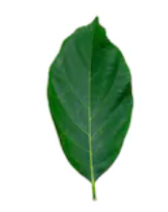
> Simple leaf:
- The blade of the leaf is undivided.
- Sometimes they consist of lobes.
- The leaf is formed from lobes.
- Gaps between the lobes are not present, so they don’t meet the main vein.
Examples of the simple leaves are banana leaves and Maple leaves.
> Compound leaf:
- The leaf blade is divided.
- It forms the leaflets, which are attached to the middle vein.
- But they have their own stalks.
- The difference between simple and compound leaf is, in simple leaf, the leaf blade is simple and in compound leaf the leaf blade is divided into several leaflets.
- Compound leaves are again divided into two types namely ,
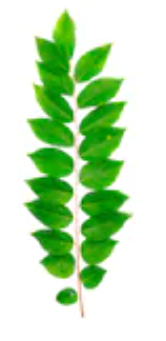
> Pinnately compound:
- The compound leaves, having their leaflets, arranged along the middle vein.
- Feather like appearance, leaves of rose, ash, walnut, etc.
> Palmately compound:
- Leaf radiates outwards from the end of the petiole.
- Some of the examples are the familiar house plant, Schefflera, which is also called as umbrella plant, and other examples are buckeye plant.
> Bipinnate compound:
- Leaves have their leaflets which are arranged along the secondary vein, while one of the several veins, which are generally branching off from the middle vein.
- The silk plant( Albizia ) is one of the examples of a Bipinnate compound.
Hence, the correct answer is option (B).
Note: In pinnately compound, leaflets are attached to the common axis, which is called as rachis, example is neem and cassis, where the palmately compound, the leaflets are attached to the stalk called petiole, example includes Bombax.
Complete answer:
Depending on how their blade is divided, leaves are classified as simple and compound.
> Simple leaf:
- The blade of the leaf is undivided.
- Sometimes they consist of lobes.
- The leaf is formed from lobes.
- Gaps between the lobes are not present, so they don’t meet the main vein.
Examples of the simple leaves are banana leaves and Maple leaves.
> Compound leaf:
- The leaf blade is divided.
- It forms the leaflets, which are attached to the middle vein.
- But they have their own stalks.
- The difference between simple and compound leaf is, in simple leaf, the leaf blade is simple and in compound leaf the leaf blade is divided into several leaflets.
- Compound leaves are again divided into two types namely ,
> Pinnately compound:
- The compound leaves, having their leaflets, arranged along the middle vein.
- Feather like appearance, leaves of rose, ash, walnut, etc.
> Palmately compound:
- Leaf radiates outwards from the end of the petiole.
- Some of the examples are the familiar house plant, Schefflera, which is also called as umbrella plant, and other examples are buckeye plant.
> Bipinnate compound:
- Leaves have their leaflets which are arranged along the secondary vein, while one of the several veins, which are generally branching off from the middle vein.
- The silk plant( Albizia ) is one of the examples of a Bipinnate compound.
Hence, the correct answer is option (B).
Note: In pinnately compound, leaflets are attached to the common axis, which is called as rachis, example is neem and cassis, where the palmately compound, the leaflets are attached to the stalk called petiole, example includes Bombax.
Recently Updated Pages
Master Class 11 English: Engaging Questions & Answers for Success

Master Class 11 Social Science: Engaging Questions & Answers for Success
Master Class 11 Maths: Engaging Questions & Answers for Success
Master Class 11 Biology: Engaging Questions & Answers for Success
Master Class 11 Physics: Engaging Questions & Answers for Success
Master Class 11 Chemistry: Engaging Questions & Answers for Success
Trending doubts
One Metric ton is equal to kg A 10000 B 1000 C 100 class 11 physics CBSE
Difference Between Prokaryotic Cells and Eukaryotic Cells
Find the value of the expression given below sin 30circ class 11 maths CBSE
Two of the body parts which do not appear in MRI are class 11 biology CBSE
Draw a diagram of a plant cell and label at least eight class 11 biology CBSE
10 examples of friction in our daily life