




Open Vascular system is absent in
(a) Housefly
(b) Cockroach
(c) Silverfish
(d) Earthworm
Answer
 Verified
596.1k+ views
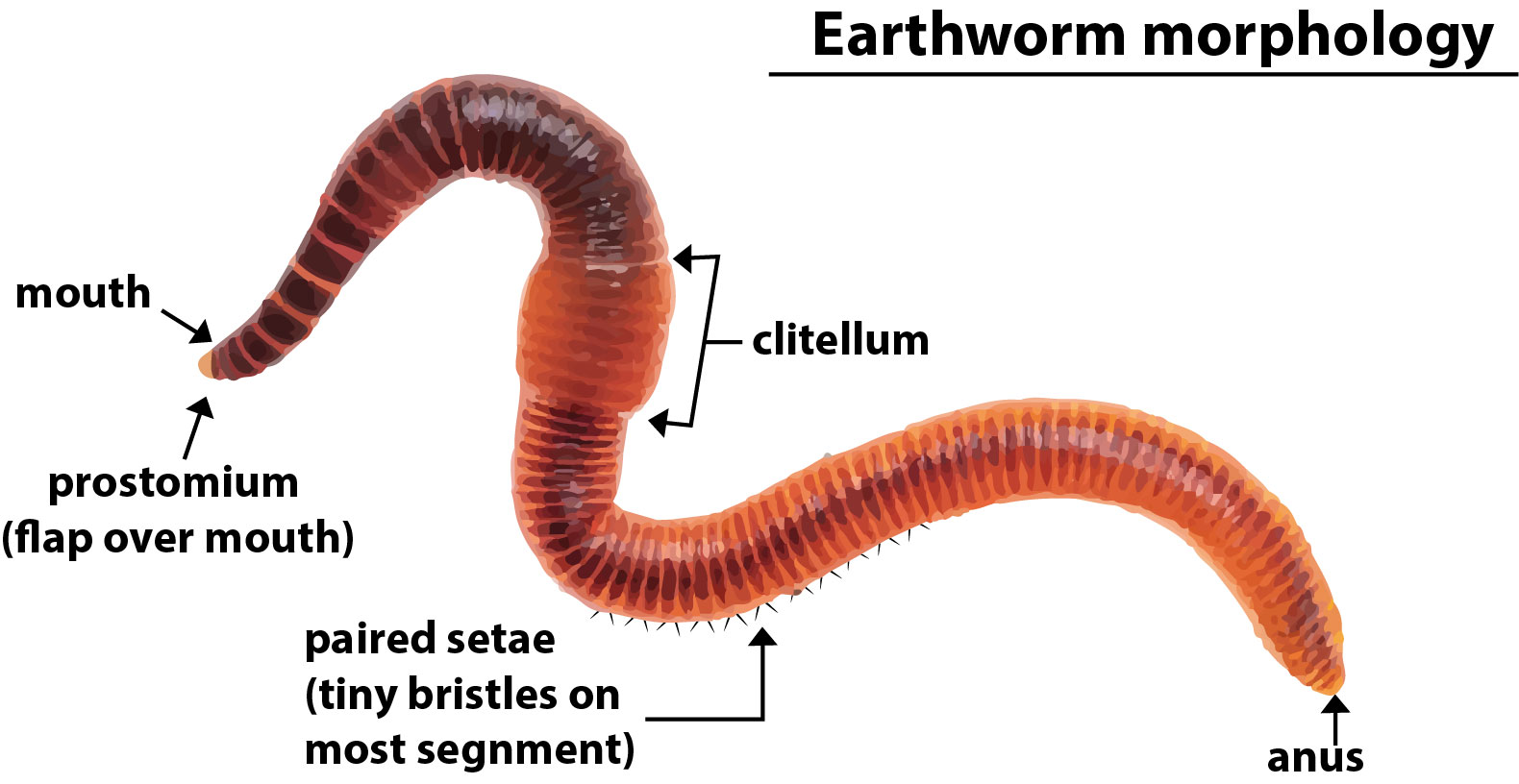
Hint: These belong to the phylum Annelida and are a terrestrial invertebrate. They move by crawling, taking long strides. This helps them in moving faster on land. Higher animals use muscles for movement. Earthworms have a dedicated system that also includes spiny structures for movement.
Complete Step by step Answer:
Earthworm exhibits a closed vascular system, consisting of blood vessels, capillaries, and heart. Due to the closed circulatory system, blood is confined to the heart and blood vessels. Contractions keep blood circulating in one direction. Smaller blood vessels will supply the gut, nerve cord, and the body wall. Hence earthworms have a closed blood vascular system.
So, the correct answer is, ‘Earthworm.’
Additional Information: A system that is made up of blood vessels that carry blood away from and towards the heart is called the circulatory system. In the circulatory system, arteries carry blood away from the heart and veins carry blood back to the heart along with oxygen, nutrients, and hormones to cells, and removes waste products, like carbon dioxide.
As we know the circulatory system is effectively a network of cylindrical vessels (the arteries, veins, and capillaries) that emanate from a pump (the heart), in all vertebrate organisms, as well as some invertebrates, a closed-loop system can be found. In this system, the blood is not moving freely in a cavity as it is contained inside blood vessels, circulating unidirectionally (in one direction) from the heart around the systemic circulatory route, then returning to the heart again.
In contrast to a closed system, an open circulatory system is seen in arthropods (including insects, crustaceans, and most molluscs). The blood is not enclosed in the blood vessels but is pumped into a cavity called a hemocoel in an open circulatory system. Here the blood is called hemolymph because it mixes with the interstitial fluid. The hemolymph circulates the organs within the body cavity as the heartbeats and the animal moves, reentering the heart through openings called Ostia. During this movement gas and nutrients are allowed to exchange. This system does not use as much energy to operate and maintain as a closed system. Birds that have a closed circulatory system are thought to have moved more agilely, allowing them to obtain food faster and possibly to prey on the insects.
Note: Oxygen, nutrients, and hormones to cells are carried by the circulatory system, and also it removes waste products, like carbon dioxide. Some diseases that can affect the circulatory system include atherosclerosis, hardening of the arteries, Heart attack, Mitral valve prolapse, Mitral valve regurgitation, Mitral stenosis, Angina pectoris, Arrhythmia and dysrhythmia, Cardiac Ischemia, etc.
Complete Step by step Answer:
Earthworm exhibits a closed vascular system, consisting of blood vessels, capillaries, and heart. Due to the closed circulatory system, blood is confined to the heart and blood vessels. Contractions keep blood circulating in one direction. Smaller blood vessels will supply the gut, nerve cord, and the body wall. Hence earthworms have a closed blood vascular system.
So, the correct answer is, ‘Earthworm.’
Additional Information: A system that is made up of blood vessels that carry blood away from and towards the heart is called the circulatory system. In the circulatory system, arteries carry blood away from the heart and veins carry blood back to the heart along with oxygen, nutrients, and hormones to cells, and removes waste products, like carbon dioxide.
As we know the circulatory system is effectively a network of cylindrical vessels (the arteries, veins, and capillaries) that emanate from a pump (the heart), in all vertebrate organisms, as well as some invertebrates, a closed-loop system can be found. In this system, the blood is not moving freely in a cavity as it is contained inside blood vessels, circulating unidirectionally (in one direction) from the heart around the systemic circulatory route, then returning to the heart again.
In contrast to a closed system, an open circulatory system is seen in arthropods (including insects, crustaceans, and most molluscs). The blood is not enclosed in the blood vessels but is pumped into a cavity called a hemocoel in an open circulatory system. Here the blood is called hemolymph because it mixes with the interstitial fluid. The hemolymph circulates the organs within the body cavity as the heartbeats and the animal moves, reentering the heart through openings called Ostia. During this movement gas and nutrients are allowed to exchange. This system does not use as much energy to operate and maintain as a closed system. Birds that have a closed circulatory system are thought to have moved more agilely, allowing them to obtain food faster and possibly to prey on the insects.
Note: Oxygen, nutrients, and hormones to cells are carried by the circulatory system, and also it removes waste products, like carbon dioxide. Some diseases that can affect the circulatory system include atherosclerosis, hardening of the arteries, Heart attack, Mitral valve prolapse, Mitral valve regurgitation, Mitral stenosis, Angina pectoris, Arrhythmia and dysrhythmia, Cardiac Ischemia, etc.
Recently Updated Pages
Master Class 11 Social Science: Engaging Questions & Answers for Success

Master Class 11 Physics: Engaging Questions & Answers for Success
Master Class 11 Maths: Engaging Questions & Answers for Success
Master Class 11 Economics: Engaging Questions & Answers for Success
Master Class 11 Computer Science: Engaging Questions & Answers for Success
Master Class 11 Chemistry: Engaging Questions & Answers for Success
Trending doubts
One Metric ton is equal to kg A 10000 B 1000 C 100 class 11 physics CBSE
There are 720 permutations of the digits 1 2 3 4 5 class 11 maths CBSE
1 Quintal is equal to a 110 kg b 10 kg c 100kg d 1000 class 11 physics CBSE
State and prove Bernoullis theorem class 11 physics CBSE
Difference Between Prokaryotic Cells and Eukaryotic Cells
Discuss the various forms of bacteria class 11 biology CBSE