




Isogametes of Ulothrix are
A. Biflagellate
B. Multiflagellate
C. Quadriciliate
D. Quadriflagellate
Answer
 Verified
592.8k+ views
Hint: Ulothrix is a non-branching filamentous green algae. It is generally found in marine and freshwater. The mode of reproduction of Ulothrix is by both asexual method and sexual method. They produce two flagella gametes.
Complete answer: Ulothrix is a green alga belonging to the phylum of Chlorophyta. Ulothrix belongs to the family Ulotrichaceae. The green colour of the algae is due to the presence of a green colour pigment called chlorophyll. The cells of Ulothrix are broad enough as they are long in size and they thrive in low temperature during winter and spring. Each cell of Ulothrix consists of a central vacuole, distinct nuclei, and a large thin chloroplast. They get attached to the surfaces by a modified holdfast cell. They are eukaryotic organisms with each cell having specific functions to perform. The body structure of the Ulothrix is unbranched and consists of uniseriate filaments. Reproduction in Ulothrix occurs by means of vegetative, asexual and sexual methods. Fragmentation and akinete formation are the common methods of vegetative reproduction. Ulothrix sexually reproduces by biflagellate gametes. The isogametes of Ulothrix are biflagellate. Their size is even smaller than micro zoospores.
Hence, option A is the correct answer.
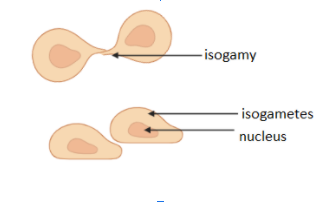
Note: The most common method of reproduction in Ulothrix is vegetative method. The non-motile spores called aplanospores and motile quadriflagellate spores called zoospores are involved in the asexual reproduction of Ulothrix. In most species of Ulothrix, all the cells of the body can form reproductive bodies.
Complete answer: Ulothrix is a green alga belonging to the phylum of Chlorophyta. Ulothrix belongs to the family Ulotrichaceae. The green colour of the algae is due to the presence of a green colour pigment called chlorophyll. The cells of Ulothrix are broad enough as they are long in size and they thrive in low temperature during winter and spring. Each cell of Ulothrix consists of a central vacuole, distinct nuclei, and a large thin chloroplast. They get attached to the surfaces by a modified holdfast cell. They are eukaryotic organisms with each cell having specific functions to perform. The body structure of the Ulothrix is unbranched and consists of uniseriate filaments. Reproduction in Ulothrix occurs by means of vegetative, asexual and sexual methods. Fragmentation and akinete formation are the common methods of vegetative reproduction. Ulothrix sexually reproduces by biflagellate gametes. The isogametes of Ulothrix are biflagellate. Their size is even smaller than micro zoospores.
Hence, option A is the correct answer.
Note: The most common method of reproduction in Ulothrix is vegetative method. The non-motile spores called aplanospores and motile quadriflagellate spores called zoospores are involved in the asexual reproduction of Ulothrix. In most species of Ulothrix, all the cells of the body can form reproductive bodies.
Recently Updated Pages
Master Class 11 Social Science: Engaging Questions & Answers for Success

Master Class 11 Chemistry: Engaging Questions & Answers for Success
Master Class 12 Business Studies: Engaging Questions & Answers for Success
Master Class 12 Chemistry: Engaging Questions & Answers for Success
Master Class 12 Biology: Engaging Questions & Answers for Success
Class 12 Question and Answer - Your Ultimate Solutions Guide
Trending doubts
One Metric ton is equal to kg A 10000 B 1000 C 100 class 11 physics CBSE
Difference Between Prokaryotic Cells and Eukaryotic Cells
Two of the body parts which do not appear in MRI are class 11 biology CBSE
Explain zero factorial class 11 maths CBSE
10 examples of friction in our daily life
Name the Largest and the Smallest Cell in the Human Body ?