




Heterotrophic nutrition is not shown by _______?
Answer
 Verified
514.2k+ views
Hint: “A heterotroph is a creature that is unable to create its own nourishment and must rely on other sources, particularly plant and animal matter,” says the definition.
Because they are unable to prepare food, all animals and non-photosynthetic plants are categorised as heterotrophs. As a result, these organisms turn to alternate sources of sustenance. As a result, heterotrophs are always secondary or tertiary consumers in a food chain from an ecological standpoint.
Organic, solid, or liquid food is converted into energy by humans and other vertebrates. Fungi, for example, rely on the conversion of dead organic matter into nutrition. Heterotrophs, in essence, break down complex foods into easily digestible components.
Complete answer:
Heterotrophic nutrition is not shown by green plants and algae instead they show autotrophic mode of nutrition.
Green plants show autotrophic nutrition.
“Autotrophic nutrition is a process in which an organism makes its own food in the presence of sunshine from simple inorganic materials such as water, mineral salts, and carbon dioxide.”
The name "autotrophic" is made up of two words: "auto" which means "self," and "trophic" which means "feeding." Self-nutrition is the literal definition of this phrase.
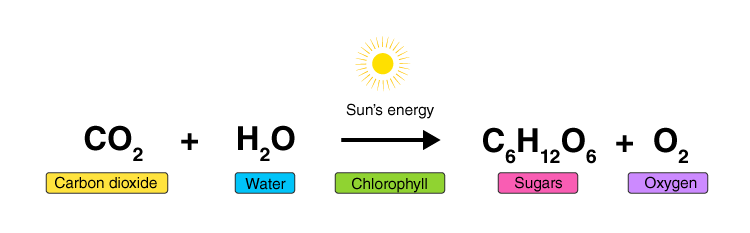
Chlorophyll, a green pigment found in autotrophic organisms, aids in the capture of energy from the sun. Autotrophic nutrition is found in all green plants. They prepare their own food using photosynthesis, which involves the use of solar energy, water, and carbon dioxide. Glucose is formed as a result of this process.
Note:
Algae are plant-like aquatic creatures. From single-celled phytoplankton floating in the water to huge seaweeds (macroalgae) adhering to the ocean floor, they cover a wide range of simple structures. Algae can be found in seas, lakes, rivers, ponds, and even snow, and can be found wherever on the planet.
While algae are commonly referred to as primitive plants, other terminology such as protists can also be used. Protist might be a better name, especially for single-celled phytoplankton. Larger, more complex algae, like kelp and chara, are sometimes confused with submerged plants.
Because they are unable to prepare food, all animals and non-photosynthetic plants are categorised as heterotrophs. As a result, these organisms turn to alternate sources of sustenance. As a result, heterotrophs are always secondary or tertiary consumers in a food chain from an ecological standpoint.
Organic, solid, or liquid food is converted into energy by humans and other vertebrates. Fungi, for example, rely on the conversion of dead organic matter into nutrition. Heterotrophs, in essence, break down complex foods into easily digestible components.
Complete answer:
Heterotrophic nutrition is not shown by green plants and algae instead they show autotrophic mode of nutrition.
Green plants show autotrophic nutrition.
“Autotrophic nutrition is a process in which an organism makes its own food in the presence of sunshine from simple inorganic materials such as water, mineral salts, and carbon dioxide.”
The name "autotrophic" is made up of two words: "auto" which means "self," and "trophic" which means "feeding." Self-nutrition is the literal definition of this phrase.
Chlorophyll, a green pigment found in autotrophic organisms, aids in the capture of energy from the sun. Autotrophic nutrition is found in all green plants. They prepare their own food using photosynthesis, which involves the use of solar energy, water, and carbon dioxide. Glucose is formed as a result of this process.
Note:
Algae are plant-like aquatic creatures. From single-celled phytoplankton floating in the water to huge seaweeds (macroalgae) adhering to the ocean floor, they cover a wide range of simple structures. Algae can be found in seas, lakes, rivers, ponds, and even snow, and can be found wherever on the planet.
While algae are commonly referred to as primitive plants, other terminology such as protists can also be used. Protist might be a better name, especially for single-celled phytoplankton. Larger, more complex algae, like kelp and chara, are sometimes confused with submerged plants.
Recently Updated Pages
Basicity of sulphurous acid and sulphuric acid are

Master Class 11 Business Studies: Engaging Questions & Answers for Success
Master Class 11 Computer Science: Engaging Questions & Answers for Success
Master Class 11 Economics: Engaging Questions & Answers for Success
Master Class 11 Social Science: Engaging Questions & Answers for Success
Master Class 11 English: Engaging Questions & Answers for Success
Trending doubts
One Metric ton is equal to kg A 10000 B 1000 C 100 class 11 physics CBSE
The largest wind power cluster is located in the state class 11 social science CBSE
Explain zero factorial class 11 maths CBSE
State and prove Bernoullis theorem class 11 physics CBSE
What steps did the French revolutionaries take to create class 11 social science CBSE
Which among the following are examples of coming together class 11 social science CBSE