




Digestion of protein is completed in
A. Stomach
B. Duodenum
C. Ileum
D. Duodenum and Ileum
Answer
 Verified
597k+ views
Hint: Digestion is the process of physical and chemical breakdown of ingested food material into smaller particles that are absorbed into the bloodstream. Digestion begins in the mouth and completes in the small intestine.
Complete answer:
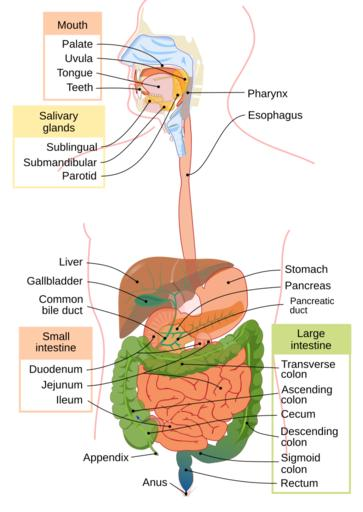
- Digestion is divided into mechanical and chemical digestion.
- Mechanical digestion occurs in the mouth where ingested food is physically broken down into smaller pieces with the help of teeth.
- Chemical digestion occurs in the mouth, stomach, and small intestine where the food is broken down with the help of digestive enzymes. However, the chemical digestion of proteins takes place only in the stomach and small intestine and no chemical digestion of proteins occurs inside the mouth. This is because digestive enzymes present in the mouth cannot digest proteins.
- Chemical digestion of protein starts once the mechanically digested food material from the mouth enters the stomach. The stomach contains gastric juice which is made up of digestive enzymes, hydrochloric acid, and other substances. Gastric juice starts the chemical digestion of proteins. They break down the proteins into smaller chains of amino acids by breaking their peptide bonds.
- The smaller chain amino acids enter the small intestine from the stomach. The small intestine is divided into three parts – duodenum (first portion which is connected to the stomach), jejunum (middle portion), and ileum (last portion which is connected to the large intestine). Inside the small intestine, the amino acid chains are further broken down into individual amino acids by digestive enzymes. The process is completed in the ileum.
Hence, the correct answer is option (C).
Note: Protein digestion occurs in the mouth, stomach, and small intestine. The process of digestion starts in the mouth and ends in the most terminal portion of the small intestine i.e. ileum.
Complete answer:
- Digestion is divided into mechanical and chemical digestion.
- Mechanical digestion occurs in the mouth where ingested food is physically broken down into smaller pieces with the help of teeth.
- Chemical digestion occurs in the mouth, stomach, and small intestine where the food is broken down with the help of digestive enzymes. However, the chemical digestion of proteins takes place only in the stomach and small intestine and no chemical digestion of proteins occurs inside the mouth. This is because digestive enzymes present in the mouth cannot digest proteins.
- Chemical digestion of protein starts once the mechanically digested food material from the mouth enters the stomach. The stomach contains gastric juice which is made up of digestive enzymes, hydrochloric acid, and other substances. Gastric juice starts the chemical digestion of proteins. They break down the proteins into smaller chains of amino acids by breaking their peptide bonds.
- The smaller chain amino acids enter the small intestine from the stomach. The small intestine is divided into three parts – duodenum (first portion which is connected to the stomach), jejunum (middle portion), and ileum (last portion which is connected to the large intestine). Inside the small intestine, the amino acid chains are further broken down into individual amino acids by digestive enzymes. The process is completed in the ileum.
Hence, the correct answer is option (C).
Note: Protein digestion occurs in the mouth, stomach, and small intestine. The process of digestion starts in the mouth and ends in the most terminal portion of the small intestine i.e. ileum.
Recently Updated Pages
Master Class 11 Social Science: Engaging Questions & Answers for Success

Master Class 11 Physics: Engaging Questions & Answers for Success
Master Class 11 Maths: Engaging Questions & Answers for Success
Master Class 11 Economics: Engaging Questions & Answers for Success
Master Class 11 Computer Science: Engaging Questions & Answers for Success
Master Class 11 Chemistry: Engaging Questions & Answers for Success
Trending doubts
One Metric ton is equal to kg A 10000 B 1000 C 100 class 11 physics CBSE
There are 720 permutations of the digits 1 2 3 4 5 class 11 maths CBSE
1 Quintal is equal to a 110 kg b 10 kg c 100kg d 1000 class 11 physics CBSE
State and prove Bernoullis theorem class 11 physics CBSE
Difference Between Prokaryotic Cells and Eukaryotic Cells
Which among the following are examples of coming together class 11 social science CBSE