




Connective tissue with a fluid matrix is
(a) Ligament
(b) Tendons
(c) Blood
(d) Cartilage
Answer
 Verified
617.4k+ views
Hint: Connective tissue is a tissue that connects and supports the other types of tissues in the body. This connective tissue consists of a red-colored pigment called hemoglobin and transport nutrients to the body. Connective tissue proper is divided into loose and dense connective tissues.
Complete answer:
Blood is a type of loose connective tissue. The main constituent of blood is its matrix as plasma, which provides blood the fluid nature and is a complex of a solution containing more than 90 percent water along with other proteins and blood cells. The major plasma protein is serum albumin. The following are the major types of blood cells:
- Red blood cells (erythrocytes)
- Platelets (thrombocytes)
- White blood cells (Leucocytes)
So, the correct answer is, ‘Blood’.
Additional Information:
- Red Blood Cells: These are anucleate, biconcave cells consisting of hemoglobin, that transports oxygen and carbon dioxide in the body via the circulatory system.
- Platelets: These are fragments derived from the megakaryocytes produced in the bone marrow, which help the formation of clots during tissue injury and prevent blood loss.
- White Blood Cells: These are our immune cells that fight against the infections and pathogens trying to make us sick.
- White blood cells are of the following types:
- Monocytes help to engulf and kill the bacteria.
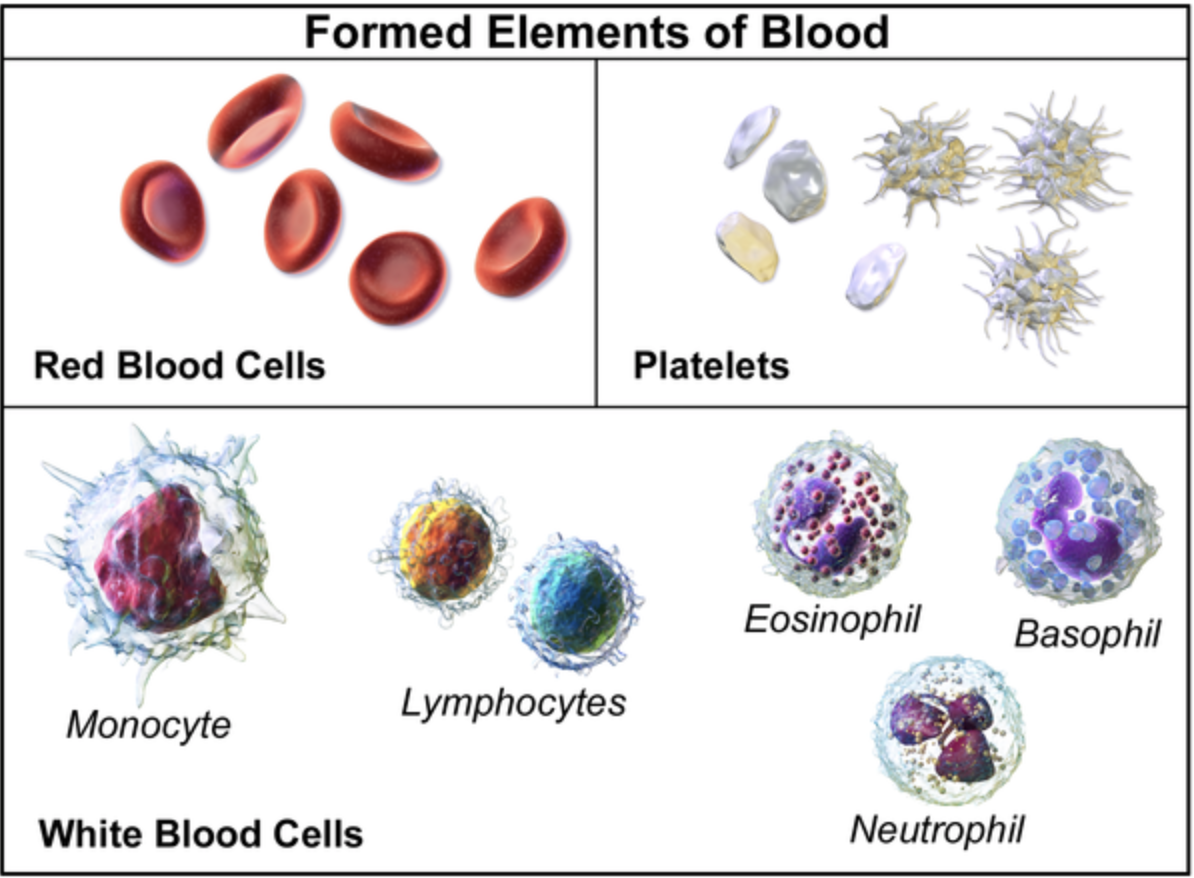
- Lymphocytes produce antibodies to fight against bacteria, viruses, and other potential pathogenic invaders.
- Neutrophils kill and digest bacteria and are the first line of defense during the onset of an infection.
- Basophils secrete chemicals such as histamine, a marker of allergic disease, that help to control the body's immune response.
- Eosinophils attack and kill invading parasites and cancer cells.
Note:
- Lymph contains plasma, carbon dioxide, proteins, glucose, and white blood cells. Red blood cells major nutrients present in the blood are absent in lymph.
- Ligaments are the connective tissues that attach bone to bone. Tendons are the connective tissue that links between a muscle and a bone. These two are dense regular connective tissues. Cartilage is the elastic connective tissue present between the joints to provide support and movement.
Complete answer:
Blood is a type of loose connective tissue. The main constituent of blood is its matrix as plasma, which provides blood the fluid nature and is a complex of a solution containing more than 90 percent water along with other proteins and blood cells. The major plasma protein is serum albumin. The following are the major types of blood cells:
- Red blood cells (erythrocytes)
- Platelets (thrombocytes)
- White blood cells (Leucocytes)
So, the correct answer is, ‘Blood’.
Additional Information:
- Red Blood Cells: These are anucleate, biconcave cells consisting of hemoglobin, that transports oxygen and carbon dioxide in the body via the circulatory system.
- Platelets: These are fragments derived from the megakaryocytes produced in the bone marrow, which help the formation of clots during tissue injury and prevent blood loss.
- White Blood Cells: These are our immune cells that fight against the infections and pathogens trying to make us sick.
- White blood cells are of the following types:
- Monocytes help to engulf and kill the bacteria.
- Lymphocytes produce antibodies to fight against bacteria, viruses, and other potential pathogenic invaders.
- Neutrophils kill and digest bacteria and are the first line of defense during the onset of an infection.
- Basophils secrete chemicals such as histamine, a marker of allergic disease, that help to control the body's immune response.
- Eosinophils attack and kill invading parasites and cancer cells.
Note:
- Lymph contains plasma, carbon dioxide, proteins, glucose, and white blood cells. Red blood cells major nutrients present in the blood are absent in lymph.
- Ligaments are the connective tissues that attach bone to bone. Tendons are the connective tissue that links between a muscle and a bone. These two are dense regular connective tissues. Cartilage is the elastic connective tissue present between the joints to provide support and movement.
Recently Updated Pages
Master Class 11 English: Engaging Questions & Answers for Success

Master Class 11 Social Science: Engaging Questions & Answers for Success
Master Class 11 Maths: Engaging Questions & Answers for Success
Master Class 11 Biology: Engaging Questions & Answers for Success
Master Class 11 Physics: Engaging Questions & Answers for Success
Master Class 11 Chemistry: Engaging Questions & Answers for Success
Trending doubts
One Metric ton is equal to kg A 10000 B 1000 C 100 class 11 physics CBSE
Difference Between Prokaryotic Cells and Eukaryotic Cells
Find the value of the expression given below sin 30circ class 11 maths CBSE
1 ton equals to A 100 kg B 1000 kg C 10 kg D 10000 class 11 physics CBSE
Two of the body parts which do not appear in MRI are class 11 biology CBSE
What are hard magnetic materials class 11 physics CBSE