




What are the different types of sand dunes?
Answer
 Verified
538.5k+ views
Hint: Desert animals are just like desert plants. Desert plants as the name suggests are grown up in arid regions and they survive on less amount of water. Some examples of desert plants are- prickly pear cactus as cactus is the most common desert plant, we all know. Desert animals have a harder adaptation and are different too than other terrestrial animals living in the biosphere. In the desert sand dunes are usually seen.
Complete answer:
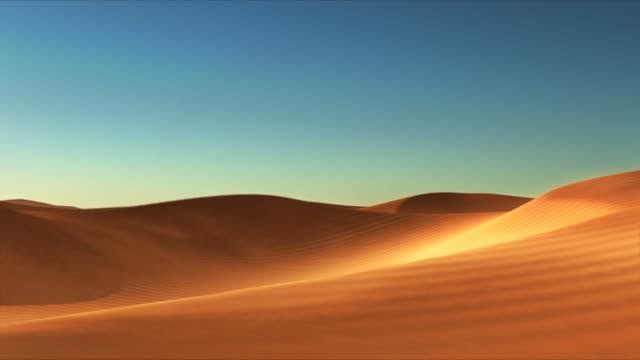
Sand dunes are the combination of water along with sand. Dunes are just like a tornado but on a smaller scale. Usually, they are seen alongside the beach or in a desert. Dunes are an accumulation of sand particles, as the wind blows rapidly sand particles get accumulated and hence formation of dune takes place.
There are different types of sand dunes such as- barchan, transverse, blowout, linear and composite dunes. Sand dunes can be dangerous too, where sudden accumulation of sand particles occur which digs bigger holes in the desert and as the wind slows down the sudden collapse of huge amounts of sand on that particular place or some other places are likely to occur.
In order to survive the sand dunes, Desert animals as we know have adaptations like- camels have humps at their back which store fat inside which a camel can break down into occupy water and energy when nourishment is not available. Desert animals rarely sweat so they don’t have to face water scarcity in their body. This helps in living these animals for a longer period of time. They also have large tough mouths able to eat thorny vegetation; they also get their water from these plant bodies.
Note:
As we discussed sand dunes, let us know more about it, dunes are often formed due to varying temperature. They are mostly common in the desert. Some coastal dunes have also been observed. Due to lack of moisture in sand they easily blow off and that sudden blow off takes up the dune formation. Plants and animals maintain their adaptation according to their surroundings.
Complete answer:
Sand dunes are the combination of water along with sand. Dunes are just like a tornado but on a smaller scale. Usually, they are seen alongside the beach or in a desert. Dunes are an accumulation of sand particles, as the wind blows rapidly sand particles get accumulated and hence formation of dune takes place.
There are different types of sand dunes such as- barchan, transverse, blowout, linear and composite dunes. Sand dunes can be dangerous too, where sudden accumulation of sand particles occur which digs bigger holes in the desert and as the wind slows down the sudden collapse of huge amounts of sand on that particular place or some other places are likely to occur.
In order to survive the sand dunes, Desert animals as we know have adaptations like- camels have humps at their back which store fat inside which a camel can break down into occupy water and energy when nourishment is not available. Desert animals rarely sweat so they don’t have to face water scarcity in their body. This helps in living these animals for a longer period of time. They also have large tough mouths able to eat thorny vegetation; they also get their water from these plant bodies.
Note:
As we discussed sand dunes, let us know more about it, dunes are often formed due to varying temperature. They are mostly common in the desert. Some coastal dunes have also been observed. Due to lack of moisture in sand they easily blow off and that sudden blow off takes up the dune formation. Plants and animals maintain their adaptation according to their surroundings.
Recently Updated Pages
Master Class 12 Business Studies: Engaging Questions & Answers for Success

Master Class 12 Biology: Engaging Questions & Answers for Success
Master Class 12 Chemistry: Engaging Questions & Answers for Success
Class 12 Question and Answer - Your Ultimate Solutions Guide
Master Class 11 Social Science: Engaging Questions & Answers for Success
Master Class 11 English: Engaging Questions & Answers for Success
Trending doubts
Which are the Top 10 Largest Countries of the World?
Draw a labelled sketch of the human eye class 12 physics CBSE
Name the crygenes that control cotton bollworm and class 12 biology CBSE
Differentiate between homogeneous and heterogeneous class 12 chemistry CBSE
Ribosomal RNA is actively synthesised in A Nucleoplasm class 12 biology CBSE
How many molecules of ATP and NADPH are required information class 12 biology CBSE