



What is the theme of World Mental Health Day 2025?
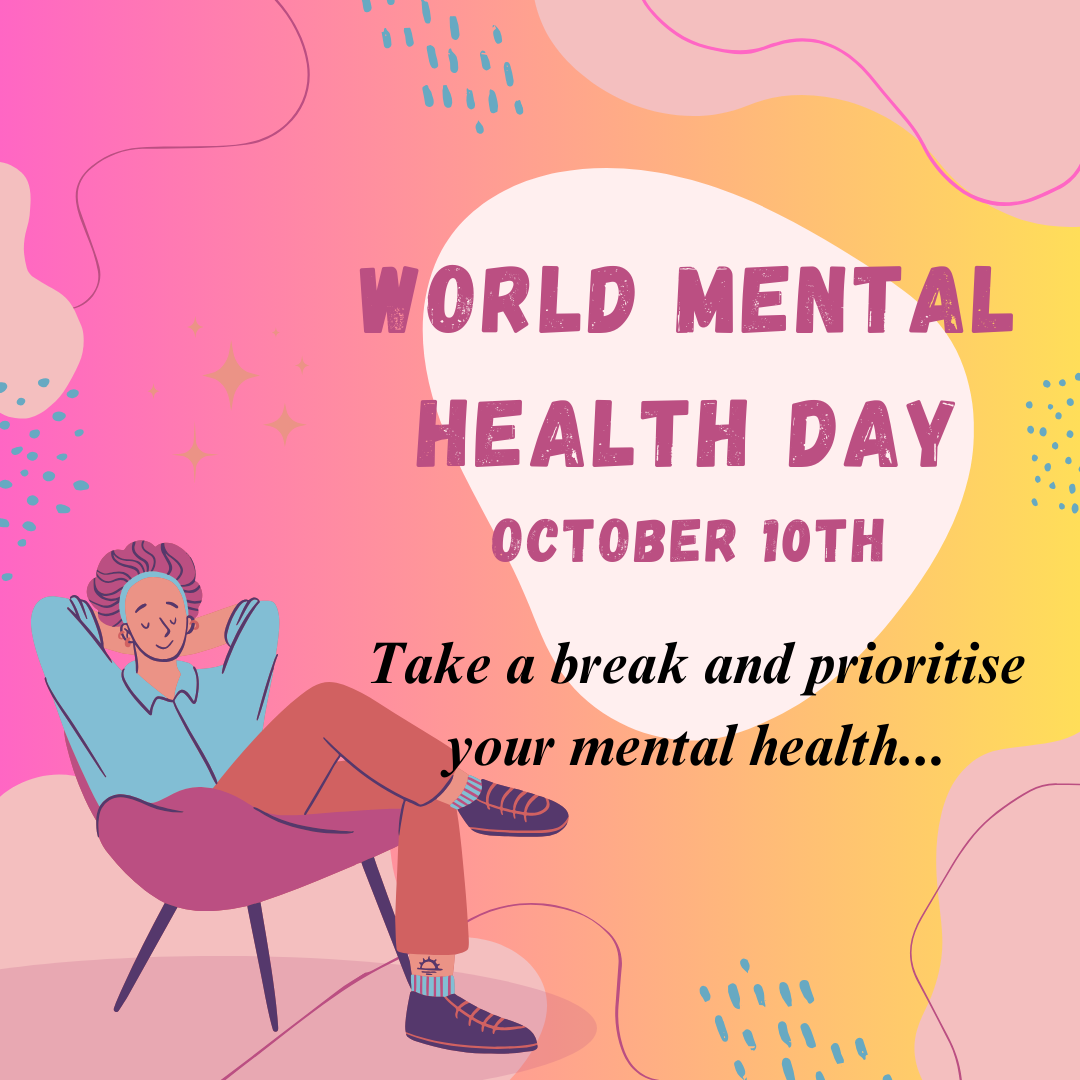
World Mental Health Day is observed on October 10 each year to increase global awareness about mental health, reduce stigma, and inspire positive action. Established by the World Federation for Mental Health, this international day encourages conversations around mental well-being for all ages. Activities worldwide remind us that mental health is an essential part of our overall health and deserves the same compassion, understanding, and support as physical health. In 2025, World Mental Health Day carries renewed importance as communities and organizations work together to break stereotypes, support those in need, and promote a culture of acceptance.
History and Origin
World Mental Health Day was first celebrated in 1992 at the initiative of the World Federation for Mental Health (WFMH), a global organization with members in more than 150 countries. Its aim was to create a dedicated day to raise awareness, support mental health advocacy, and promote the integration of mental health into public policy worldwide. The World Health Organization (WHO) and other partners later joined the effort, turning it into a platform for international dialogue and coordinated action. Over time, October 10 has become synonymous with global conversations, targeted campaigns, and impactful events focused on mental well-being and the de-stigmatization of mental health conditions.
Theme of World Mental Health Day 2025
The official theme for World Mental Health Day 2025 will be announced by the World Federation for Mental Health closer to the observance. Each year, the chosen theme spotlights an urgent mental health challenge, such as inclusion, equal access to care, or workplace well-being. Recent themes have included "Mental health is a universal human right" and "Make mental health & well-being for all a global priority." The 2025 theme is expected to guide awareness campaigns, school initiatives, and social media conversations, helping communities worldwide unite for improved mental health support and advocacy.
How World Mental Health Day Is Observed
- Schools and colleges organize awareness campaigns, poster competitions, and mental health workshops to educate students and staff.
- Governments and NGOs run public service announcements, mental health check-up camps, and community outreach programs.
- Online platforms host webinars, interactive sessions, and social media movements using hashtags like #WorldMentalHealthDay to encourage digital engagement and spread reliable information.
- Public events such as rallies, inspirational speeches, art installations, and donation drives invite people to support mental health resources and connect those in need with professional help.
Inspiring Quotes and Slogans
- "There is no health without mental health." – World Health Organization
- "You are not alone. There is hope, even when your brain tells you there isn’t." – John Green
- "Mental health is not a destination, but a process." – Noam Shpancer
- "It’s okay to not be okay." – Unknown
- "Be kind to your mind." – World Mental Health Day slogan
- "Every day begins with an act of courage and hope: getting out of bed." – Mason Cooley
- "Your story isn’t over yet." – Project Semicolon
Reflect and Participate
- Write a short speech on why World Mental Health Day is important today.
- Create a poster or social media post spreading awareness.
- Discuss with friends/family how this day impacts your life or community.
You may also be interested in related observances like world suicide prevention day, world health day, and mental health awareness month for more ideas to promote well-being in your community.
FAQs on World Mental Health Day 2025: Key Facts, Significance & How to Celebrate
1. What is World Mental Health Day?
World Mental Health Day is an international observance held on October 10 each year to raise awareness about mental health issues and promote mental well-being worldwide. The day encourages open conversations, reduces stigma, and invites everyone to support those who may be struggling.
2. When is World Mental Health Day celebrated?
World Mental Health Day is celebrated every year on October 10. This date is fixed globally and observed by schools, organizations, and communities to increase awareness and understanding about mental health.
3. What is the theme for World Mental Health Day 2025?
The official theme for World Mental Health Day 2025 will be announced by the World Federation for Mental Health (WFMH) and the WHO closer to the observance date. Each year’s theme spotlights key mental health issues and guides global awareness campaigns. Please check official sources for the latest updates for 2025.
4. Why is October 10th significant for mental health?
October 10th was chosen as World Mental Health Day to provide a dedicated annual date for global advocacy and action. It unifies awareness-raising efforts and serves as a reminder to support mental well-being for everyone, everywhere.
5. How can students participate in World Mental Health Day at school?
Students can participate in World Mental Health Day through various activities, such as:
- Delivering speeches or essays in assemblies
- Designing posters or banners
- Organizing awareness campaigns and group discussions
- Taking part in quizzes, role plays, or creative contests
These activities help students understand the importance of mental health and how to support each other.
6. What are the best topics for a speech on World Mental Health Day?
Popular speech topics for World Mental Health Day include:
- Importance of mental health in student life
- Ways to reduce stigma around mental health
- How to support friends and classmates
- The 2025 World Mental Health Day theme
Choose a topic that fosters understanding, kindness, and awareness.
7. What are some creative poster ideas for World Mental Health Day?
Effective poster ideas include:
- Positive messages like "It's okay not to be okay"
- Symbols such as green ribbons or supportive hands
- Catchy slogans promoting empathy
- Information on how to seek help
Use bright colors, simple language, and respectful messages to raise awareness.
8. What color symbolizes World Mental Health Day?
Green is the official color that represents World Mental Health Day. The green ribbon symbolizes mental health awareness, hope, and support for individuals facing mental health challenges.
9. Who started World Mental Health Day and when?
World Mental Health Day was initiated by the World Federation for Mental Health (WFMH) and was first observed in 1992. Its purpose is to advocate for mental health, raise awareness, and encourage action worldwide.
10. Is it okay to take a mental health day off from work or school?
Yes, taking a mental health day off is important and allowed in many places. Prioritizing your mental well-being helps you refresh, cope with stress, and maintain overall health. It is encouraged to communicate openly with teachers or employers when possible.
11. What are some inspiring mental health quotes?
Inspiring mental health quotes include:
- "There is no health without mental health." – World Health Organization
- "You are not alone. There is hope, even when your brain tells you there isn’t." – John Green
- "Mental health is not a destination, but a process." – Noam Shpancer
- "It’s okay to not be okay."
- "Be kind to your mind."
12. How can I participate in World Mental Health Day activities?
You can observe World Mental Health Day by:
- Sharing positive messages and resources on social media
- Creating or joining awareness campaigns at school, workplace, or community
- Wearing a green ribbon
- Attending webinars or talks on mental health
- Supporting friends and family members
Participation helps promote understanding and support for mental well-being.



