



When Is World Lung Cancer Day 2026 and What Is Its Theme?
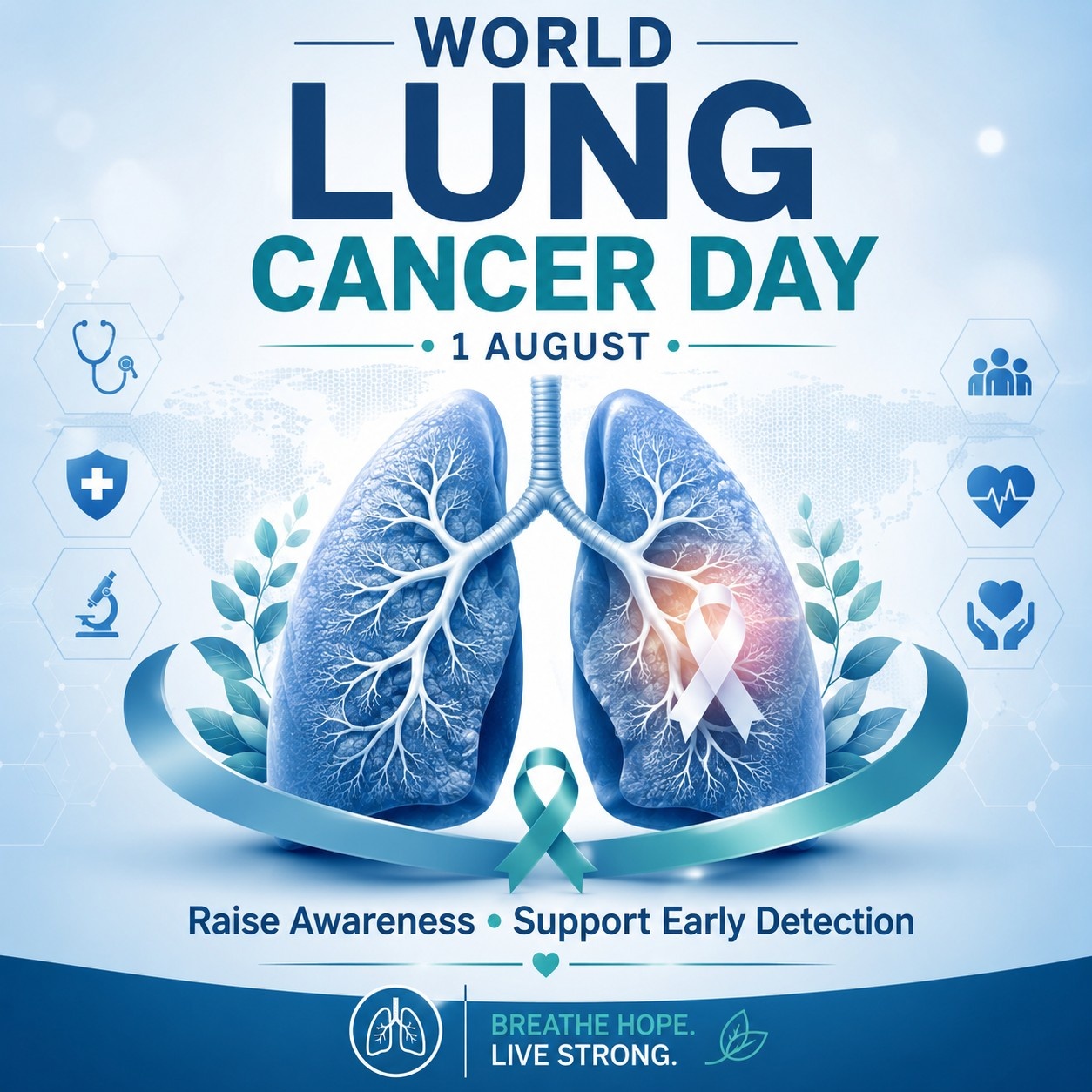
World Lung Cancer Day 2026 is observed on August 1, 2026 to raise awareness about lung cancer, encourage early detection, support patients and caregivers, and promote prevention through public education. It is a global health awareness observance marked by healthcare organizations, hospitals, advocacy groups, survivors, and the public.
This day matters because lung cancer remains one of the leading causes of cancer-related deaths worldwide. World Lung Cancer Day helps people understand risk factors, warning signs, the importance of timely screening conversations, and the need for compassionate support and continued research.
What is World Lung Cancer Day?
World Lung Cancer Day is an annual awareness day observed every year on August 1. Its purpose is to improve public understanding of lung cancer, reduce stigma, encourage prevention, highlight the value of early detection, and strengthen support for people living with the disease.
Because many people search for the world lung cancer day date, world lung cancer day significance, and world lung cancer day theme 2026, it is important to note that the observance itself is fixed each year, while campaign messages may vary depending on participating organizations.
When is World Lung Cancer Day in 2026?
In 2026, World Lung Cancer Day will be observed on August 1, 2026. Since it is a fixed-date international observance, the date does not change from year to year.
| Event | Date | Purpose |
|---|---|---|
| World Lung Cancer Day 2026 | August 1, 2026 | Awareness, prevention, early detection, patient support, and research focus |
History and origin of the observance
The history of World Lung Cancer Day is best understood as part of broader international awareness efforts led by advocacy groups, health organizations, hospitals, and survivor communities. Its development is linked to the growing need to address the global burden of lung cancer through education, screening awareness, patient care, and public conversation.
Rather than focusing on a single ritual or local custom, the day is observed through modern awareness activities such as public campaigns, educational events, social media outreach, support initiatives, and community health messaging. This makes it a practical and widely relevant health awareness day for students and the general public.
What is the theme of World Lung Cancer Day 2026?
An official 2026 theme should be mentioned only when it is confirmed by a reliable health organization. Based on the available research input for this page, the theme to be updated when officially announced approach is the most accurate and responsible way to present this information.
Even without a confirmed annual slogan, the consistent focus of World Lung Cancer Day remains clear: awareness, prevention, early detection, timely treatment access, research, and support for patients and caregivers.
Why is World Lung Cancer Day celebrated?
World Lung Cancer Day is celebrated to improve public understanding of a major health challenge and to remind people that awareness can save lives. It brings attention to prevention, early diagnosis, and the need to reduce fear, misinformation, and stigma around lung cancer.
The observance is also significant because support systems matter. Patients, survivors, and caregivers often need not only medical care but also empathy, community backing, and access to reliable information. Awareness days can help create that supportive environment.
Causes and risk factors people should know
Lung cancer awareness day campaigns often focus on common risk factors that the public should understand.
- Smoking is a major risk factor.
- Passive smoking or secondhand smoke can also increase risk.
- Air pollution is an important public health concern linked to lung health.
- Occupational exposure to harmful substances in some workplaces may raise risk.
- Genetic and family-related factors may also play a role in some cases.
Symptoms and early detection awareness
A key message of world lung cancer day 2026 is that awareness of symptoms and timely medical consultation can be important. Educational campaigns generally encourage people to pay attention to persistent or unusual changes in health without self-diagnosing.
Common warning signs highlighted in public awareness materials include:
- A cough that does not go away
- Chest pain
- Shortness of breath
- Unexplained weight loss
- Other persistent respiratory changes that should not be ignored
These signs can have many causes, so awareness content should not be treated as diagnosis. If someone has medical concerns, they should consult a qualified healthcare professional.
How World Lung Cancer Day is observed
World Lung Cancer Day is observed through practical, education-based activities rather than formal ceremonies. Hospitals, health groups, advocacy networks, and communities use the day to spread information and encourage informed conversations about lung health.
Common observance activities include:
- Awareness campaigns in schools, colleges, hospitals, and community spaces
- Educational talks on prevention, symptoms, and early detection
- Public health messaging through posters, leaflets, and digital media
- Screening awareness drives and general health outreach
- Patient and caregiver support initiatives
- Social media campaigns that share facts, hope, and prevention messages
Student activities for World Lung Cancer Day
Students can take part in simple, respectful, low-cost awareness activities.
- Create fact posters on lung health, prevention, and awareness
- Organize a short classroom presentation on the importance of early detection
- Hold a school noticeboard campaign using verified awareness messages
- Write a reflection or article on the value of public health awareness days
- Share educational captions on social media using respectful language
- Discuss healthy lifestyle choices and clean-air awareness in group activities
- Read related awareness articles on World Cancer Day, National Cancer Awareness Day, World Health Day, and health observance topics on Vedantu
Simple awareness lines for posters and campaigns
For school displays or public awareness boards, short educational lines work best. They should stay fact-based, supportive, and easy to understand.
You can use lines such as:
- Raise awareness, support early detection.
- Know the risks, value lung health.
- Awareness can lead to timely action.
- Support patients, caregivers, and survivors.
- Healthy lungs matter every day.
- Learn, share, and care on World Lung Cancer Day.
Why this awareness day remains relevant
The importance of World Lung Cancer Day continues to grow because awareness is closely linked to public understanding and health-seeking behaviour. When people know more about risk factors and symptoms, they are better prepared to take informed steps and seek reliable guidance.
The day also fits into a wider calendar of global health education. Readers who want to explore more awareness topics can visit the Vedantu blog and related health observance pages such as World Cancer Day and World Health Day.
Conclusion: World Lung Cancer Day, observed on August 1, is an important global awareness event that highlights prevention, early detection, patient support, and public education. For students and general readers, the day offers a meaningful chance to learn about lung health, share verified information, and show empathy toward those affected. Even simple awareness efforts can help create more informed and supportive communities, which is the central purpose of this observance.
FAQs on World Lung Cancer Day 2026: History, Importance and Awareness
1. What is World Lung Cancer Day?
World Lung Cancer Day is an annual health awareness observance dedicated to increasing understanding of lung cancer. It focuses on prevention, risk factors, warning signs, early detection, treatment access, research, and compassionate support for patients, survivors, and caregivers.
2. When is World Lung Cancer Day in 2026?
World Lung Cancer Day 2026 will be observed on Saturday, August 1, 2026. The observance has a fixed date and takes place on August 1 every year.
3. What is the theme of World Lung Cancer Day 2026?
An official World Lung Cancer Day 2026 theme has not yet been confirmed by a recognised organising authority. Until a reliable organisation announces one, an unverified slogan should not be presented as the official theme. Campaigns generally focus on lung cancer awareness, prevention, early detection, treatment, research, and patient support.
4. Why is World Lung Cancer Day celebrated?
World Lung Cancer Day is celebrated to improve public understanding of lung cancer and encourage timely, informed action. Its main objectives include:
- Explaining common lung cancer risk factors and warning signs
- Promoting prevention and conversations about appropriate screening
- Reducing fear, misinformation, and stigma surrounding the disease
- Supporting patients, survivors, families, and caregivers
- Highlighting the importance of research and access to treatment
5. What are the main risk factors for lung cancer?
Smoking is the leading risk factor for lung cancer, but people who have never smoked can also develop the disease. Other recognised risk factors include:
- Secondhand tobacco smoke
- Exposure to radon, a naturally occurring radioactive gas
- Workplace exposure to substances such as asbestos, arsenic, diesel exhaust, and certain chemicals
- Air pollution
- Previous radiation exposure to the chest
- Family history and inherited genetic factors
6. What are the common warning signs of lung cancer?
Possible warning signs of lung cancer include a persistent cough, chest pain, and unexplained breathing changes. Symptoms that require medical attention may include:
- A new cough that does not go away or a long-standing cough that worsens
- Coughing up blood
- Chest pain, shortness of breath, or wheezing
- Repeated chest infections
- Persistent hoarseness
- Unexplained weight loss, tiredness, or loss of appetite
These symptoms can have many causes and do not confirm cancer. Anyone experiencing persistent or concerning changes should consult a qualified healthcare professional.
7. Why is early detection important in lung cancer?
Early detection can identify lung cancer before it has spread, when treatment may be more effective. People should not wait for an awareness day to discuss persistent symptoms or personal risk factors with a healthcare professional. Screening is intended for certain people at higher risk and is not a test recommended for everyone.
8. Who should consider lung cancer screening?
Lung cancer screening is generally considered for adults at high risk because of their age and smoking history. Eligibility differs across countries and medical guidelines, so individuals should consult a healthcare professional about the benefits and possible risks. Where recommended, screening usually uses low-dose computed tomography (LDCT), not a standard chest X-ray.
9. How is World Lung Cancer Day observed?
World Lung Cancer Day is observed through educational, healthcare, and community awareness activities. Common activities include:
- Public talks about prevention, symptoms, diagnosis, and treatment
- Verified awareness campaigns in schools, hospitals, and communities
- Screening-awareness and smoking-cessation initiatives
- Patient, survivor, and caregiver support programmes
- Fundraising and advocacy for lung cancer research
- Fact-based poster, leaflet, and social media campaigns
10. What can students do on World Lung Cancer Day 2026?
Students can support World Lung Cancer Day 2026 by sharing verified, respectful, and age-appropriate information about lung health. Suitable activities include:
- Creating posters about risk factors and warning signs
- Giving a short classroom presentation on prevention and early detection
- Organising a fact-checked school noticeboard campaign
- Discussing tobacco-free choices, secondhand smoke, and clean air
- Writing supportive messages for patients, survivors, and caregivers
- Avoiding frightening claims, stigma, and unverified medical advice



