



Choti Diwali Kab Hai 2026? Date and Day
Choti Diwali 2026 is commonly celebrated on Saturday, 7 November 2026, before the main Diwali festival on Sunday, 8 November. However, the exact observance depends on regional traditions. According to the New Delhi Panchang, Kali Chaudas falls on 7 November, while Naraka Chaturdashi 2026, including the traditional early-morning Abhyang Snan, falls on 8 November.
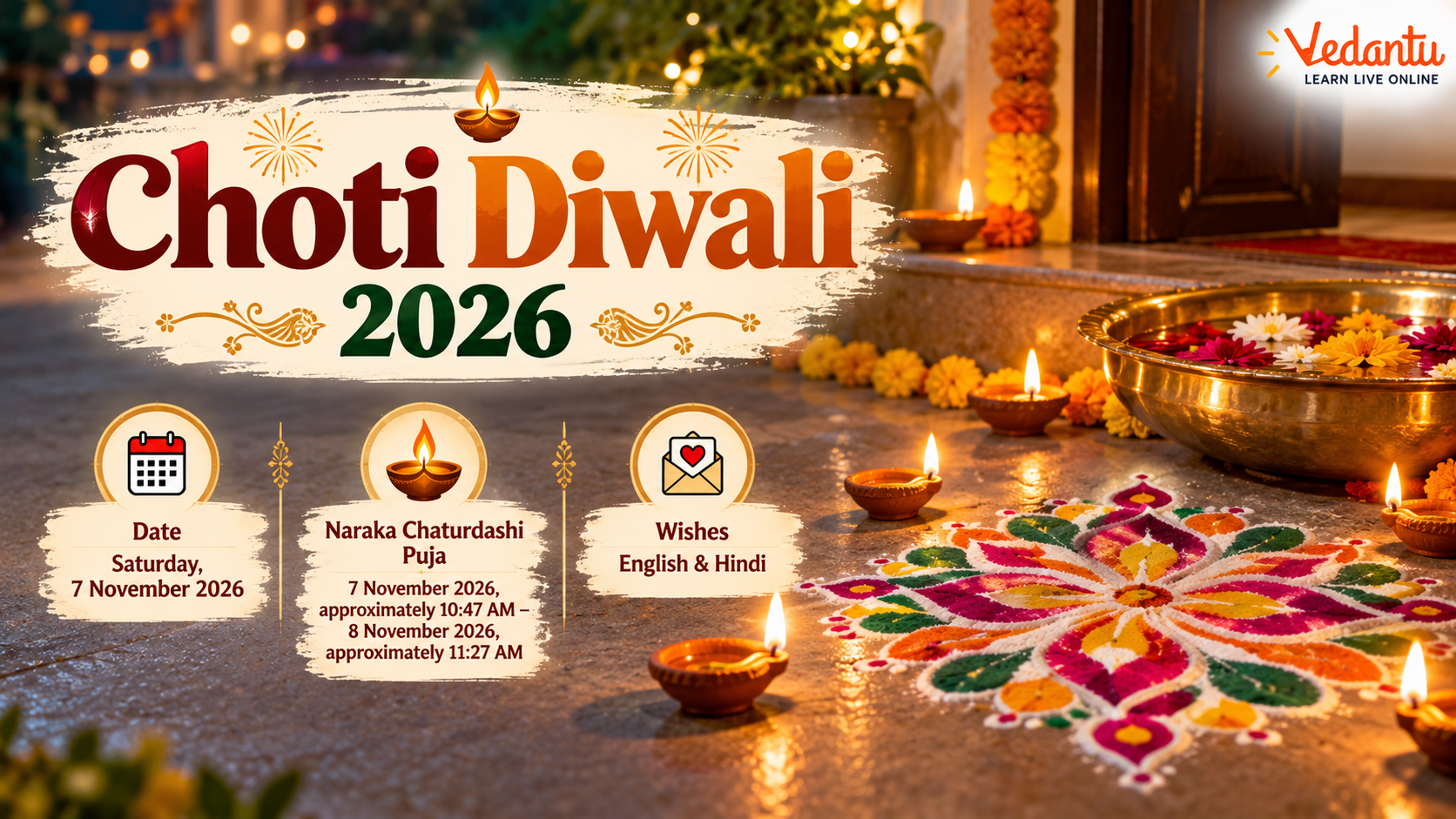
Choti Diwali, also called Chhoti Diwali, Narak Chaturdashi, or Roop Chaudas in different traditions, is associated with Lord Krishna's victory over Narakasura. Families celebrate by lighting diyas, preparing sweets, decorating homes, and offering prayers.
If you are wondering when is Choti Diwali in 2026, the commonly used festival date is 7 November, while the Naraka Chaturdashi morning ritual is observed on 8 November in New Delhi.
Choti Diwali 2026 Date and Festival Calendar
The Choti Diwali date is connected with the Hindu lunar calendar. Chaturdashi occurs on the fourteenth lunar day of Krishna Paksha, and different rituals follow different timing rules.
These dates follow the New Delhi Drik Panchang convention. Some government and regional calendars may classify or date particular observances differently.
What Is Choti Diwali and Why Is It Celebrated?
Choti Diwali means "Little Diwali" and refers to celebrations associated with the period just before the main Festival of Lights. It is celebrated in different ways across India, often with prayers, oil baths, diyas, sweets, and family gatherings.
The festival is closely associated with Naraka Chaturdashi, which remembers Lord Krishna's victory over the demon Narakasura in Hindu religious traditions.
According to a popular legend, Narakasura was a powerful ruler who caused suffering and imprisoned many people. Lord Krishna, accompanied by Satyabhama in several traditional accounts, defeated Narakasura and freed those held captive.
This story represents the victory of goodness over cruelty, ignorance, and injustice.
Students can understand three important lessons from the celebration:
Goodness and courage can overcome harmful actions.
Helping people in difficulty is an important responsibility.
Festivals provide opportunities to share happiness, kindness, and respect.
The specific story and religious significance may differ across regional traditions.
Naraka Chaturdashi 2026: Significance and Traditions
Naraka Chaturdashi is an important observance during the Diwali festival period. It is connected with the Narakasura legend and practices such as Abhyang Snan, wearing new clothes, offering prayers, and lighting lamps.
In 2026, the Krishna Paksha Chaturdashi Tithi extends from 7 November into the morning of 8 November. Because many Naraka Chaturdashi rituals take place before sunrise, the morning observance falls on 8 November in New Delhi.
Naraka Chaturdashi Tithi Timings in 2026
Approximate timings for New Delhi, India, based on the referenced Panchang. Exact timings may differ slightly by location and calculation method.
What Is Abhyang Snan on Naraka Chaturdashi?
Abhyang Snan is a traditional oil bath performed before sunrise in several Hindu communities during Naraka Chaturdashi.
Families may apply oil before bathing, wear clean or new clothes, offer prayers, and prepare festive foods.
The practice is especially important in parts of Maharashtra, Karnataka, Tamil Nadu, and other regions. Its exact timing and rituals differ according to local customs.
Choti Diwali Puja Vidhi and Traditional Rituals
Families celebrate Choti Diwali according to their regional and household customs. Some observe evening prayers on 7 November, while others focus on early-morning rituals on 8 November.
A simple Choti Diwali celebration may include:
Cleaning the home and decorating the entrance with flowers.
Preparing a small rangoli near the doorway or puja area.
Lighting diyas safely in designated places.
Offering prayers according to family traditions.
Preparing sweets and festive dishes.
Sharing greetings and spending time with family.
In some regions, Kali Chaudas includes worship associated with Goddess Kali or Hanuman. In others, Naraka Chaturdashi is mainly associated with Krishna's victory over Narakasura.
Note: Yama Deepam is listed on Dhanteras, 6 November 2026, in the New Delhi Drik Panchang calendar. Its rituals should not automatically be assigned to Choti Diwali in every tradition.
How Is Choti Diwali Celebrated in Different Parts of India?
Choti Diwali celebrations reflect the cultural diversity of India. Names, rituals, food, and the main time of observance can differ across regions.
These customs are not followed identically by every family, even within the same state.
Difference Between Choti Diwali and Badi Diwali
Although Choti Diwali and Badi Diwali are part of the same festival period, their religious significance and common customs are different.
Both occasions encourage families to celebrate goodness, share happiness, and maintain meaningful traditions.
To understand the complete celebration, students can read about the five magical days of Diwali.
Happy Choti Diwali Wishes 2026 in English
Sharing Choti Diwali wishes is a simple way to spread festive happiness among friends, family members, teachers, and classmates.
Here are some original Happy Choti Diwali wishes suitable for greeting cards, messages, and school celebrations.
Happy Choti Diwali! May the light of every diya fill your home with happiness, peace, and prosperity.
Wishing you and your family a joyful Choti Diwali filled with warmth, love, and beautiful memories.
May this Choti Diwali bring new opportunities, positive thoughts, and countless reasons to smile.
Let the glow of diyas brighten your life and inspire you to spread kindness everywhere. Happy Choti Diwali!
Wishing you a wonderful festival filled with laughter, sweets, colourful rangoli, and family celebrations.
May Lord Krishna's victory over Narakasura inspire courage, goodness, and hope in your life.
On this special occasion, may every corner of your home shine with happiness and togetherness.
May your dreams shine as brightly as the festive lamps. Wishing you a peaceful and prosperous Choti Diwali.
Short Happy Choti Diwali Wishes for WhatsApp and Greeting Cards
May your home glow with love and happiness. Happy Choti Diwali!
Wishing you peace, prosperity, and joyful celebrations.
Let kindness shine brighter than every diya.
Celebrate new beginnings with hope and positivity.
Sending warm wishes for a bright and beautiful Choti Diwali.
Happy Choti Diwali Wishes in Hindi
Families often share Choti Diwali wishes in Hindi to express happiness and festive greetings in a familiar language.
Here are some simple and meaningful wishes for friends, relatives, and loved ones.
1. छोटी दिवाली की हार्दिक शुभकामनाएँ! आपके जीवन में सुख, शांति और समृद्धि का प्रकाश बना रहे।
2. दीपों की रोशनी आपके घर को खुशियों से भर दे। आपको और आपके परिवार को छोटी दिवाली की बहुत-बहुत बधाई!
3. इस छोटी दिवाली पर आपके जीवन से सभी परेशानियाँ दूर हों और नई खुशियों की शुरुआत हो।
4. भगवान श्रीकृष्ण की कृपा से आपका जीवन साहस, सफलता और सकारात्मकता से भरा रहे। छोटी दिवाली की शुभकामनाएँ!
5. हर दीया आपके सपनों को नई रोशनी दे और हर मुस्कान आपके जीवन में नई उमंग भर दे।
6. छोटी दिवाली का यह पावन अवसर आपके परिवार में प्रेम, खुशहाली और आपसी विश्वास बढ़ाए।
7. दीपों का उजाला आपके घर-आँगन को रोशन करे और जीवन में सुख-समृद्धि लाए।
8. छोटी दिवाली की मंगलकामनाएँ! आपका हर नया दिन खुशियों और अच्छे अवसरों से भरा हो।
Short Choti Diwali Wishes in Hindi for Students
छोटी दिवाली की शुभकामनाएँ! खुश रहें और खुशियाँ बाँटें।
दीपों की रोशनी से आपका जीवन जगमगाए।
आपकी मेहनत और सपनों को सफलता का प्रकाश मिले।
खुशियों के दीप जलाएँ और सबके साथ प्रेम बाँटें।
छोटी दिवाली आपके जीवन में नई उम्मीद और उत्साह लाए।
Choti Diwali Images and Greeting Card Ideas
Choti Diwali images are commonly shared as festival greetings and used for school activities, digital cards, and festive decorations.
Students can create attractive greeting images using traditional elements such as diyas, flowers, rangoli, and warm festive colours.
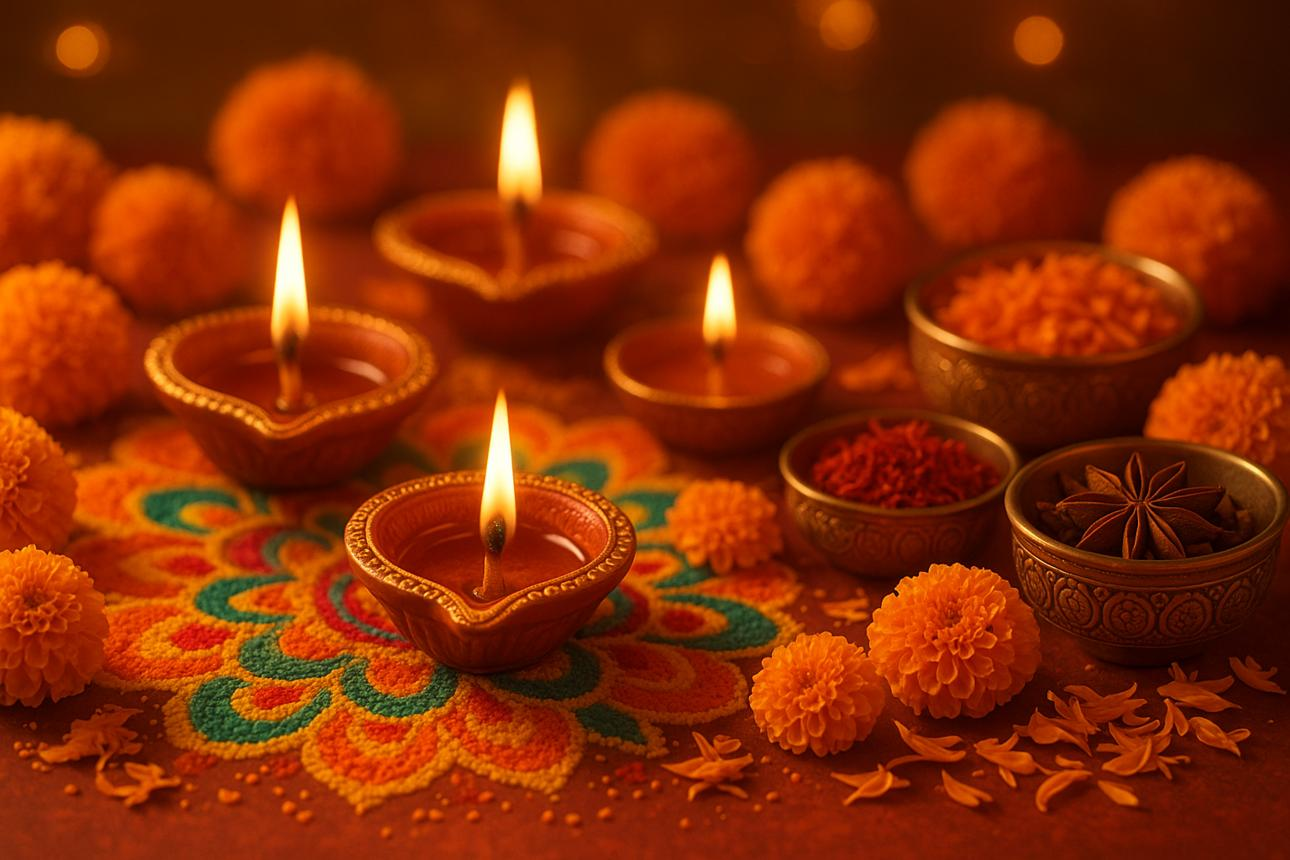
Traditional diya greeting
A simple diya design with a heartfelt festival wish.
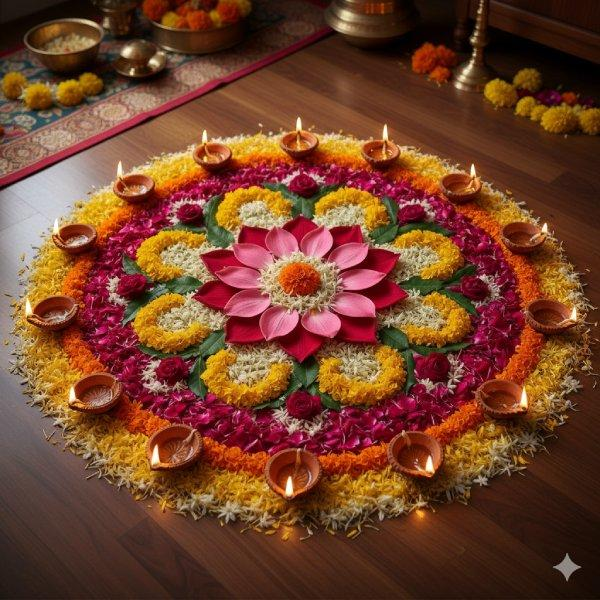
Rangoli greeting design
Colourful floral patterns for a festive greeting.
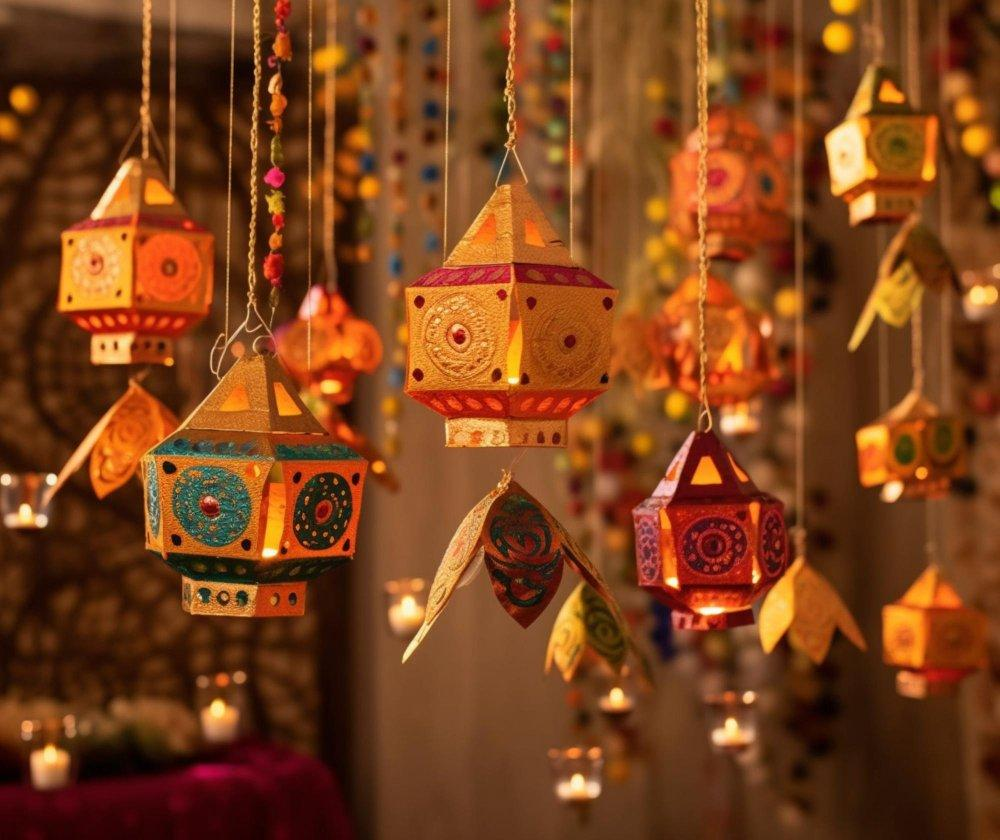
Paper lantern decoration
Lanterns and lights for school craft activities.
Traditional puja decoration
A festive arrangement inspired by household customs.
Illustrative image references for the CMS. Use original approved artwork and add the official Vedantu logo to branded images where appropriate.
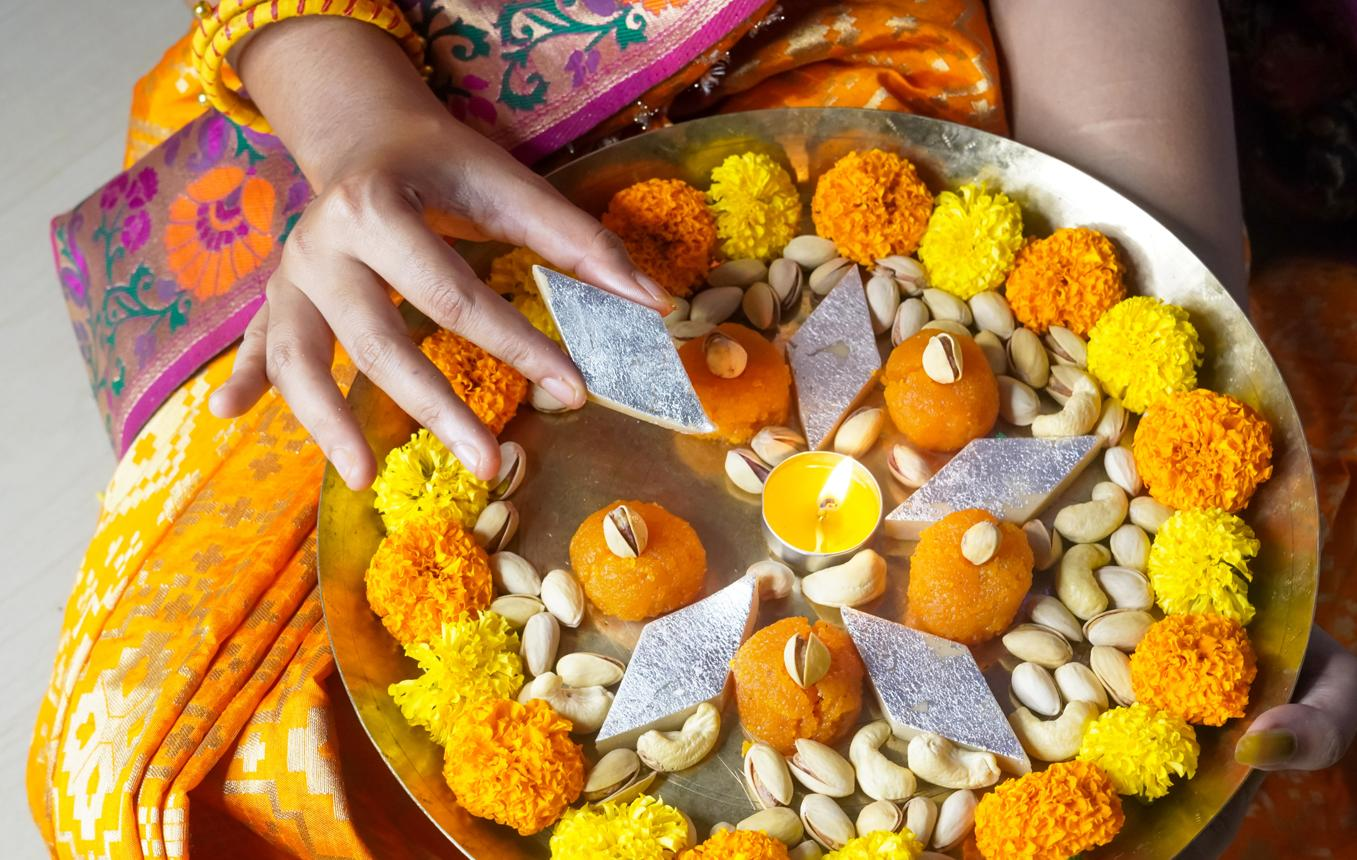
Easy Choti Diwali Rangoli Ideas for Home and School
Making a Choti Diwali rangoli is a creative activity for students and families. Rangoli designs can use coloured powders, flower petals, rice, and simple patterns.
1. Easy Diya Rangoli
Draw a simple diya shape and decorate it with orange, yellow, and red colours. This design is suitable for beginners.
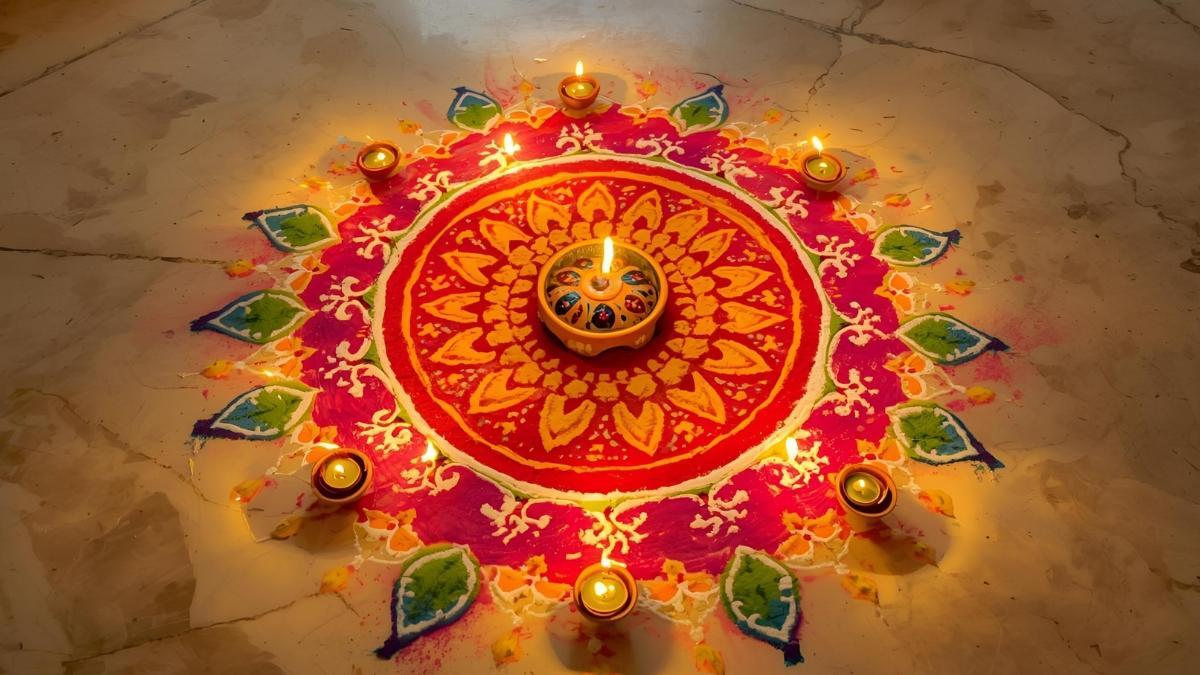
2. Flower Rangoli
Arrange marigold petals in a circular pattern and add white flowers for contrast. It is an easy way to decorate an entrance.
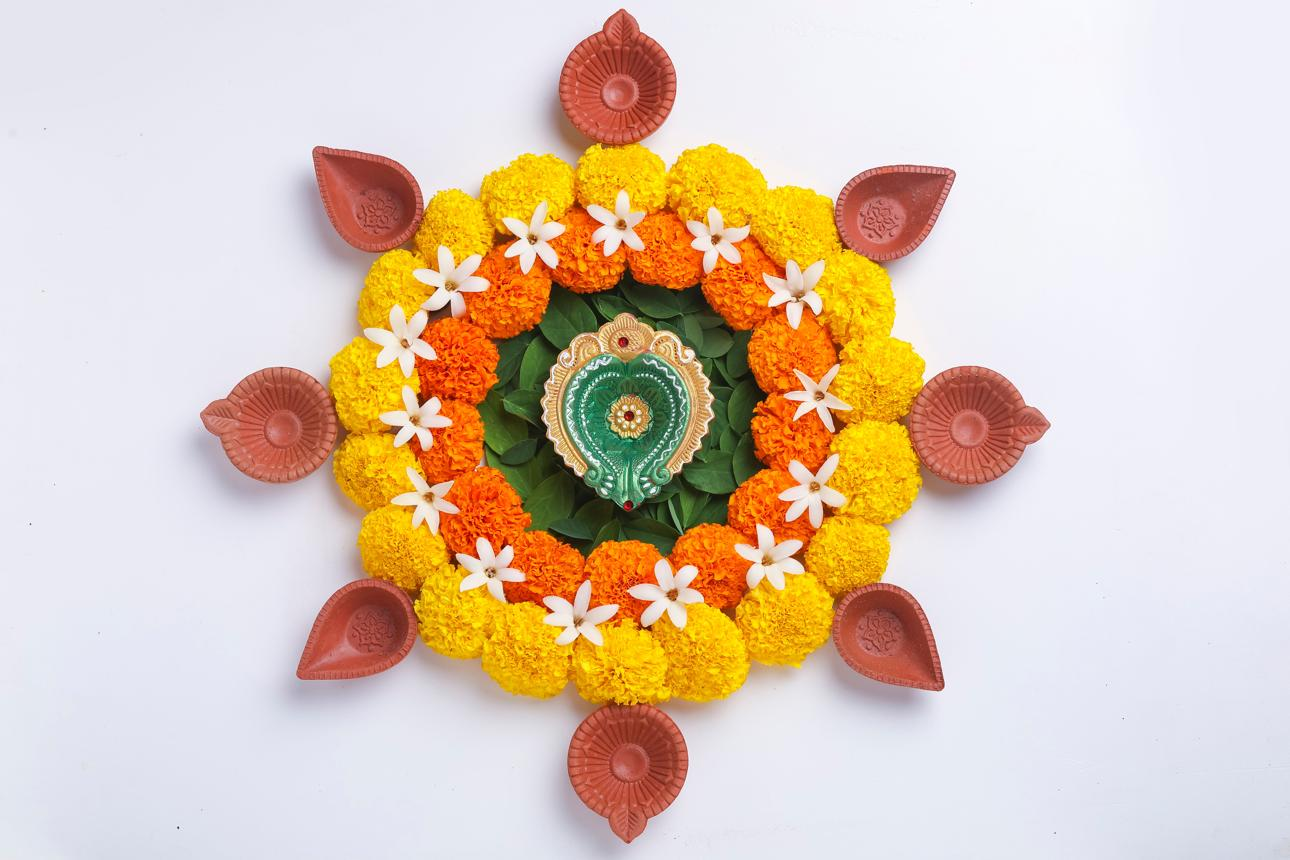
3. Dot Rangoli
Create a small pattern using evenly spaced dots, then connect them with straight or curved lines. Students can practise symmetry through this activity.
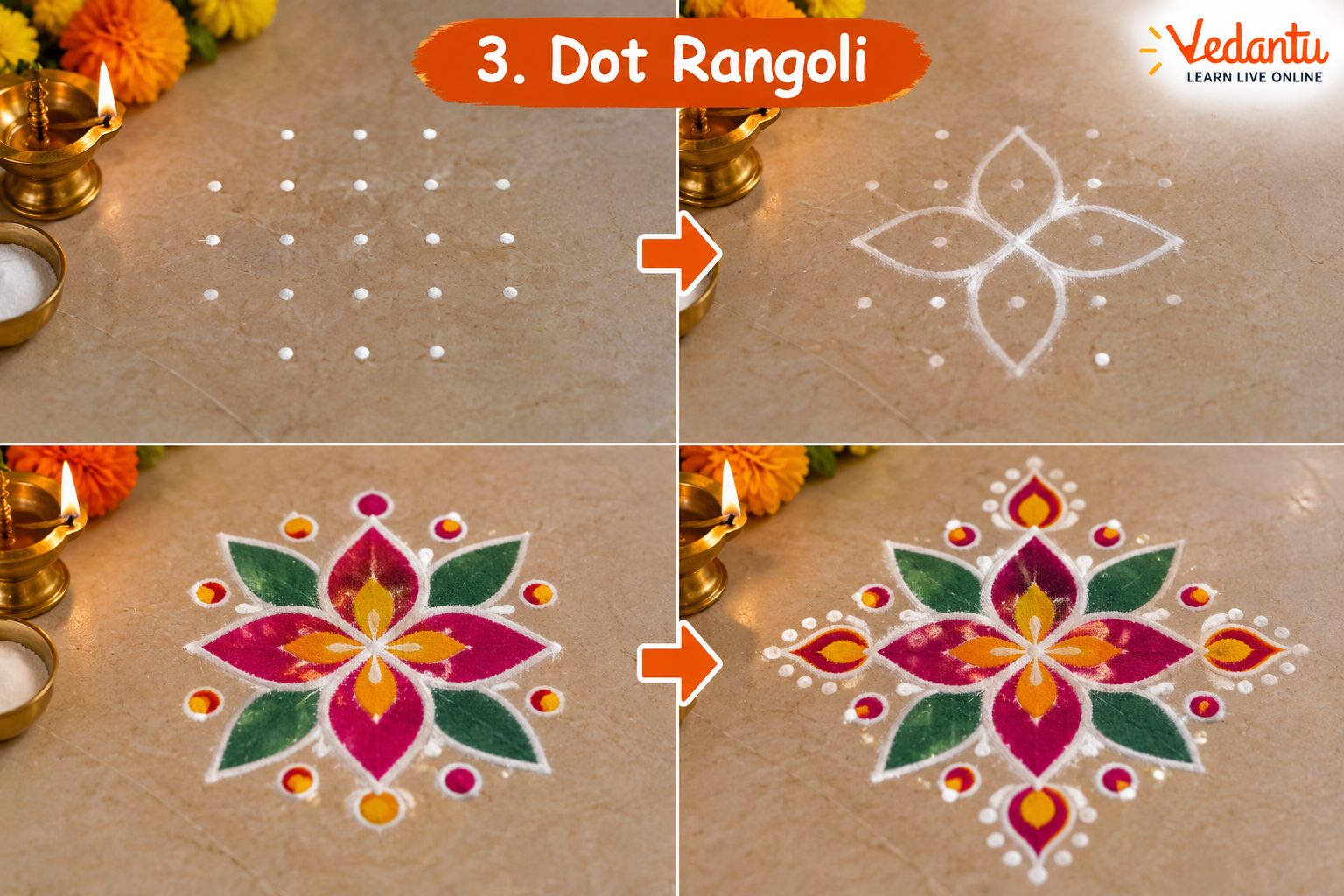
4. Lotus Rangoli
Draw a lotus with pink petals and green leaves. Keep the design small and use a simple outline for easy colouring.
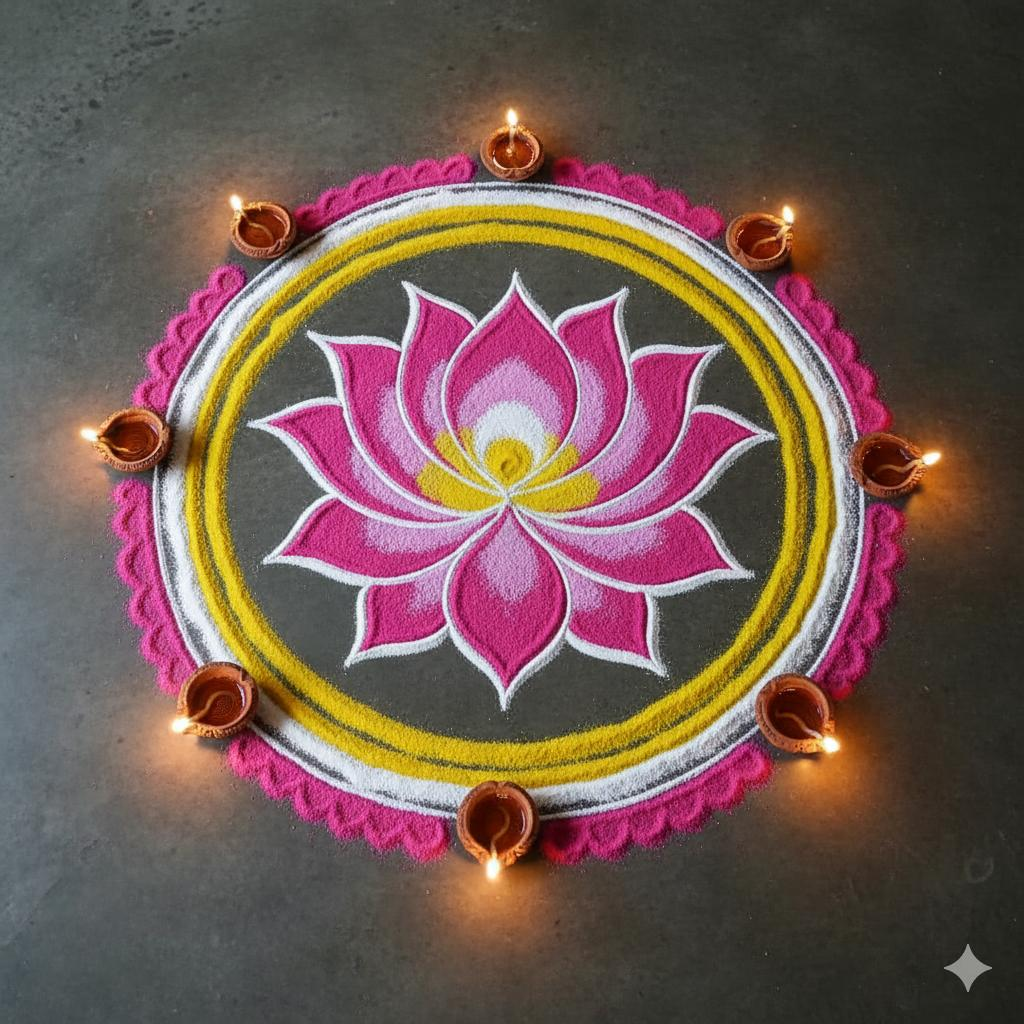
For additional patterns, explore Diwali rangoli designs.
Choti Diwali Activities for Students and Children
Choti Diwali offers opportunities for students to understand cultural traditions and take part in creative learning activities.
Children should use age-appropriate materials and have adult supervision when working with scissors, electrical decorations, or flames.
How to Celebrate Choti Diwali Safely and Responsibly
Celebrations can be meaningful without elaborate decorations or loud fireworks.
Families can follow these simple practices:
Place diyas on stable surfaces, away from curtains, paper, and other flammable materials.
Use battery-operated lamps where open flames are unsuitable.
Choose reusable decorations and reduce unnecessary waste.
Keep entrances, walkways, and emergency exits clear.
Follow local rules concerning fireworks, noise, and public safety.
Include children in supervised art, storytelling, and greeting-card activities.
A thoughtful celebration can bring families together while respecting neighbours, animals, and the environment.
Why Are There Different Dates for Choti Diwali in 2026?
Many readers find different answers when searching for the Choti Diwali date because the festival involves multiple regional customs.
In everyday usage, Choti Diwali often refers to the day immediately before Badi Diwali. However, Panchang-based religious observances depend on the lunar Tithi and the particular time of day required for a ritual.
In New Delhi, the relevant Chaturdashi Tithi begins on 7 November and continues into the morning of 8 November. Thus, Kali Chaudas is observed on 7 November, while Naraka Chaturdashi Abhyang Snan is observed on 8 November.
For students and general readers: 7 November is a commonly used date for Choti Diwali in 2026, but 8 November is the New Delhi Panchang date for the Naraka Chaturdashi morning observance.
Conclusion
Choti Diwali 2026 is commonly associated with Saturday, 7 November, while the Naraka Chaturdashi morning observance falls on Sunday, 8 November, according to the New Delhi Panchang. The festival celebrates the victory of goodness over evil and brings families together through traditional prayers, lamps, decorations, sweets, and meaningful customs.
Whether families observe Kali Chaudas, Naraka Chaturdashi, or other regional traditions, the occasion offers students an opportunity to learn about India's cultural heritage and share happiness through thoughtful celebrations.
FAQs on Choti Diwali 2026: Date, Naraka Chaturdashi, Puja, Wishes and Rangoli
1. When is Choti Diwali in 2026?
Choti Diwali is commonly celebrated on Saturday, 7 November 2026. According to the New Delhi Panchang, Kali Chaudas falls on 7 November, while Naraka Chaturdashi morning rituals fall on Sunday, 8 November.
2. Choti Diwali kab hai 2026 mein?
छोटी दिवाली 2026 में सामान्य रूप से शनिवार, 7 नवंबर को मनाई जाएगी। दिल्ली के पंचांग के अनुसार काली चौदस 7 नवंबर और नरक चतुर्दशी का प्रातःकालीन अभ्यंग स्नान 8 नवंबर को है।
3. When is Choti Diwali celebrated every year?
Choti Diwali is celebrated around Krishna Paksha Chaturdashi, just before the main Diwali festival. Its Gregorian calendar date changes every year because it follows the Hindu lunar calendar.
4. What is the Naraka Chaturdashi 2026 date?
For New Delhi, Naraka Chaturdashi's early-morning observance falls on Sunday, 8 November 2026. The Chaturdashi Tithi begins on 7 November and ends on the morning of 8 November.
5. Are Choti Diwali and Naraka Chaturdashi the same festival?
The names are often used interchangeably, but their usage varies regionally. Choti Diwali is a popular name for celebrations before Badi Diwali, while Naraka Chaturdashi refers specifically to the Chaturdashi observance associated with the Narakasura tradition.
6. What is the difference between Choti Diwali and Kali Chaudas?
Kali Chaudas has distinct regional traditions associated with Chaturdashi, including worship of Goddess Kali in some communities. Choti Diwali is a broader popular name for celebrations around the day before Diwali.
7. Why is Naraka Chaturdashi celebrated?
According to Hindu religious traditions, the day commemorates Lord Krishna's victory over Narakasura. The story symbolises the victory of goodness, courage, and justice over cruelty.
8. What is Abhyang Snan on Choti Diwali?
Abhyang Snan is a traditional oil bath performed before sunrise during Naraka Chaturdashi in several regions. The practice and its timing depend on family customs and local Panchang rules.
9. Can I share Happy Choti Diwali wishes with friends and family?
Yes. You can share festival greetings through cards, messages, or personal conversations. Simple wishes that express happiness, kindness, peace, and prosperity are suitable for friends, family members, and classmates.
10. Where can I find Choti Diwali wishes in Hindi?
You can use the Hindi greetings provided in this article for school greeting cards, festive messages, and family celebrations. Short, thoughtful messages are often easier to remember and share.
11. What are some easy Choti Diwali rangoli designs?
Beginners can make small diya rangoli patterns, flower-petal designs, dot rangoli, or simple lotus patterns. These designs require only a few materials and are suitable for school and home activities.
12. What should be included in Choti Diwali images?
Traditional diyas, rangoli, marigold flowers, festive lights, and simple greetings are popular elements. Students can also create handmade greeting cards and drawings using these decorations.
13. When is Badi Diwali in 2026?
Badi Diwali falls on Sunday, 8 November 2026. The main Lakshmi Puja is performed in the evening, with exact timings depending on the city and local Panchang.
14. How do people celebrate Choti Diwali in South India?
In several South Indian communities, Naraka Chaturdashi includes an early-morning oil bath, new clothes, prayers, and festive meals. Customs and observance dates can vary by region and family tradition.
15. Can children celebrate Choti Diwali without firecrackers?
Yes. Children can enjoy Diwali through drawing, rangoli, paper lanterns, storytelling, sweets, and family activities. Read more about celebrating Diwali without crackers.


