



What is the significance of World AIDS Day and how is it observed?
World AIDS Day is a globally observed event each year on December 1st, dedicated to both raising awareness about HIV/AIDS and showing support for people living with the condition. The day also honors those who have lost their lives due to AIDS-related illnesses.
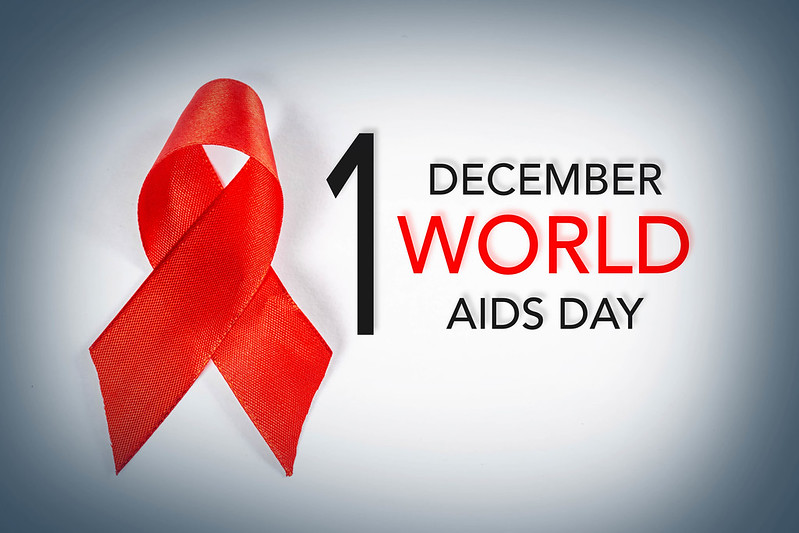
What Is World AIDS Day & When Is It Observed in 2025?
Continuing from the introduction, let's clearly identify what World AIDS Day represents and its exact observance date in 2025.
World AIDS Day is marked every year on December 1st to focus attention on HIV/AIDS–related challenges worldwide.
For 2025, World AIDS Day falls on Monday, December 1st.
It is a United Nations–recognized day, encouraging everyone—students, teachers, policymakers—to unite against stigma and misinformation.
This date serves as a global reminder of ongoing efforts to prevent new infections, support those living with HIV, and remember those lost to AIDS-related illnesses.
History and Cultural Context of World AIDS Day
Building from the previous overview, exploring the origin and evolution of World AIDS Day helps us understand its significance in today's society.
World AIDS Day was first observed in 1988, making it the first ever global health day.
The day was created to raise awareness about HIV/AIDS during a time when stigma and misinformation were widespread.
The red ribbon became a universal symbol of solidarity with people living with HIV/AIDS.
Governments, communities, and international organizations use this day to renew commitments to fighting the epidemic.
Notably, Ronald Reagan publicly addressed AIDS for the first time in 1987, which marked a significant turning point in U.S. public health policy regarding HIV/AIDS.
This historical context highlights why the day remains so important for awareness, compassion, and progress.
2025 World AIDS Day Theme and Its Significance for Students
After learning about the history, it's vital to connect the 2025 World AIDS Day theme to issues impacting today's students and youth.
Each year, a unique theme is announced to guide observances and campaigns; in 2025, the focus is anticipated to remain on inclusion, ending HIV-related stigma, and universal access to healthcare (please check the WHO or UNAIDS site for updated official theme announcements closer to the date for accuracy).
For students, it is a reminder to educate themselves about HIV/AIDS, practice empathy, and promote health literacy among peers.
Understanding the theme can empower youth to take informed action within their schools and communities.
With misinformation still present, students have a powerful role in spreading factual awareness and fostering an environment of acceptance for those affected.
Customs, Rituals, and Practices on World AIDS Day
Linking from the importance of this day for students, World AIDS Day features several key customs and widely-accepted practices that showcase both remembrance and awareness.
Wearing Red Ribbons: This universal symbol represents support for people with HIV/AIDS and remembrance of those lost. Etiquette calls for wearing it visibly and respectfully, often on clothing or bags.
Memorial Events: Candlelight vigils, walks, or gatherings honor lives lost to AIDS. Participants maintain a respectful atmosphere, and sometimes messages or names are read aloud.
Awareness Campaigns: Talks, seminars, and poster-making competitions help spread knowledge about HIV prevention and challenge stigma. These are often held in schools, colleges, and community centers, promoting open discussion and inclusive participation.
Testing Drives: Voluntary HIV testing camps emphasize the importance of knowing one's status. Participation is confidential and nonjudgmental, creating a supportive setting for all.
These practices foster understanding and solidarity, making World AIDS Day both meaningful and action-oriented.
Regional Celebrations Across India
Expanding from general customs, World AIDS Day is marked across India with notable local adaptations and outreach methods.
In metropolitan cities (Delhi, Mumbai, Bengaluru), large youth rallies, flash mobs, and health fairs take place, often coordinated by NGOs and state health departments.
States with higher prevalence (like Maharashtra, Andhra Pradesh, Nagaland, Manipur, Tamil Nadu) conduct extensive awareness and free-testing drives, particularly through colleges and community centers in local languages.
In rural areas, Panchayat-led campaigns and folk performances are common ways to reach diverse audiences and reduce stigma.
No widely-accepted alternate names exist for the day, but messaging is often tailored regionally—focusing on family support in some areas and youth-led initiatives in others.
These regional adaptations ensure the campaign resonates within different communities, using culturally relevant outreach for maximum impact.
How to Participate in World AIDS Day 2025: Activities & Ideas
Building on how local communities engage, here are practical ways students and young adults can actively join World AIDS Day in 2025.
Join or organize awareness drives—such as street plays, poster-making, or debates—at your school, college, or community.
Wear a red ribbon and share informative posts on social media to spread credible facts and challenge stigma.
Attend online webinars, guest talks, or Q&A sessions for the latest on HIV/AIDS research and prevention.
Volunteer with local NGOs working with people living with HIV/AIDS.
Encourage friends and family to attend free testing and counseling sessions if offered locally.
Active participation not only helps others but deepens your own understanding and compassion—vital traits for responsible citizenship.
Tips & Etiquette: Eco-friendly, Inclusive, and Safe World AIDS Day Practices
To ensure your observance is impactful and responsible, here are essential tips—linking to the ways you can participate above—for a sensitive and sustainable World AIDS Day.
Choose reusable or biodegradable materials for ribbons, banners, and awareness kits to reduce environmental impact.
If organizing gatherings or marches, ensure safety with first-aid kits on hand and take necessary permissions where required.
Practice inclusivity: Avoid making assumptions or jokes about HIV/AIDS; foster spaces where everyone can share safely without judgment.
Balance participation with studies—schedule activities outside exam or class times, and maintain respect for all attendees’ privacy and comfort.
Only share accurate and scientifically-backed information from trusted sources to prevent misinformation.
Following these tips helps you contribute meaningfully while upholding values of safety, inclusion, and environmental care.
Quick Recap: Key Takeaways on World AIDS Day (2025)
Finally, linking all previous sections, here are the key points to remember about World AIDS Day as you plan your involvement in 2025.
World AIDS Day, observed on December 1st each year, is dedicated to awareness, support, and remembrance.
It has a powerful history of fighting stigma and misinformation since 1988.
The 2025 theme focuses on inclusion and equal access to healthcare—especially significant for youth and students.
Practical activities include awareness campaigns, participating in memorials, and supporting local or regional initiatives.
Remember to observe eco-friendly and inclusive practices as you participate, creating a positive impact in your community.
Let World AIDS Day in 2025 inspire you to become a more informed, compassionate, and active global citizen.
Related Articles
Here are some useful links related to this topic.
National Pollution Control Day (2 Dec) – Learn how India spreads awareness on environmental safety a day after World AIDS Day.
World Disability Day (3 Dec) – Understand support and inclusion efforts for differently-abled individuals.
Indian Navy Day (4 Dec) – Explore the courage and achievements of India’s naval forces.
World Soil Day (5 Dec) – Learn about the importance of healthy soil and sustainable agriculture.
FAQs on World AIDS Day 2025: Why It Matters, Theme, and Activities
1. What is the theme of World AIDS Day 2025?
The official theme for World AIDS Day 2025 will be announced by leading global health organizations such as UNAIDS. Each year, the theme highlights a focus area for awareness, advocacy, and prevention. Please check back for the updated World AIDS Day 2025 theme as soon as it is released.
2. Why is December 1st observed as World AIDS Day?
December 1st is recognized globally as World AIDS Day to raise awareness about HIV/AIDS, remember those affected, and support ongoing prevention and treatment efforts.
Key facts include:
- The day was first observed in 1988.
- It is among the first international health days celebrated worldwide.
- December 1st was chosen to bring the world together for education and advocacy.
3. How did AIDS start?
AIDS (Acquired Immunodeficiency Syndrome) is caused by HIV (Human Immunodeficiency Virus), which is believed to have originated from non-human primates in Central Africa.
Key points:
- Most experts agree HIV crossed into humans from chimpanzees, likely in the early 20th century.
- The virus was first identified as a public health issue in the early 1980s.
4. What activities are done on World AIDS Day?
World AIDS Day activities focus on awareness, prevention, and supporting those affected. Common activities include:
- Wearing the red ribbon as a symbol of solidarity
- Educational talks and seminars
- Memorial events and candlelight vigils
- Health camps and free HIV testing
- Online campaigns and social media posts
- Fundraising initiatives for research and support
5. What is the red ribbon's significance on AIDS Day?
The red ribbon is the universal symbol of awareness and support for people living with HIV/AIDS.
Its significance includes:
- Showing compassion and unity with affected communities
- Promoting global solidarity in the fight against HIV
- Raising public awareness and reducing stigma
6. When did Ronald Reagan first acknowledge AIDS?
Ronald Reagan, then President of the United States, first publicly mentioned AIDS in 1985. Though the epidemic started earlier, this formal recognition helped increase national focus on HIV/AIDS awareness and response.
7. Who observes World AIDS Day?
World AIDS Day is observed globally by individuals, health organizations, governments, students, NGOs, and communities in over 190 countries. The day unites everyone in spreading awareness and supporting efforts to end HIV/AIDS.
8. What are some effective World AIDS Day slogans?
Popular World AIDS Day slogans include:
- "Know Your Status"
- "Stop AIDS. Keep the Promise"
- "Communities Make the Difference"
- "Ending the HIV Epidemic"
- "Equalize"
9. What is the logo of World AIDS Day?
The official logo of World AIDS Day features a red ribbon, the internationally recognized symbol for HIV/AIDS awareness and support. This red ribbon is prominently used on banners, posters, and digital campaigns each year.
10. Why is World AIDS Day important in 2025?
World AIDS Day 2025 is vital to reinforce global solidarity, awareness, and updated knowledge about HIV/AIDS.
It is important because:
- It reminds everyone about ongoing challenges in HIV prevention and care.
- It supports people living with HIV and combats stigma.
- It mobilizes communities and youth towards a world free of AIDS.
11. What is the significance of World AIDS Day?
World AIDS Day highlights the global impact of HIV/AIDS and the importance of education, prevention, and empathy. It honors those lost, supports those living with HIV, and raises collective awareness to end the epidemic.
12. How can students and schools participate in World AIDS Day?
Students and schools can participate in World AIDS Day by:
- Organizing awareness programs and poster competitions
- Hosting discussions on HIV prevention and stigma reduction
- Wearing red ribbons as a symbol of support
- Joining online campaigns and sharing facts about HIV/AIDS



