



When is Vishu 2026?
Vishu 2026 is one of the most important festivals celebrated in Kerala. It marks a new beginning filled with hope, prosperity, family blessings, and festive traditions. The festival is known for rituals such as Vishukkani, Vishukkaineetam, temple prayers, fireworks, and the grand Vishu Sadya. In 2026, Vishu will be celebrated on Wednesday, April 15, 2026, according to Drik Panchang for New Delhi. The Sankranti Moment falls at 09:39 AM on April 14, 2026, and the Vishu Kani observance is listed for the following day.
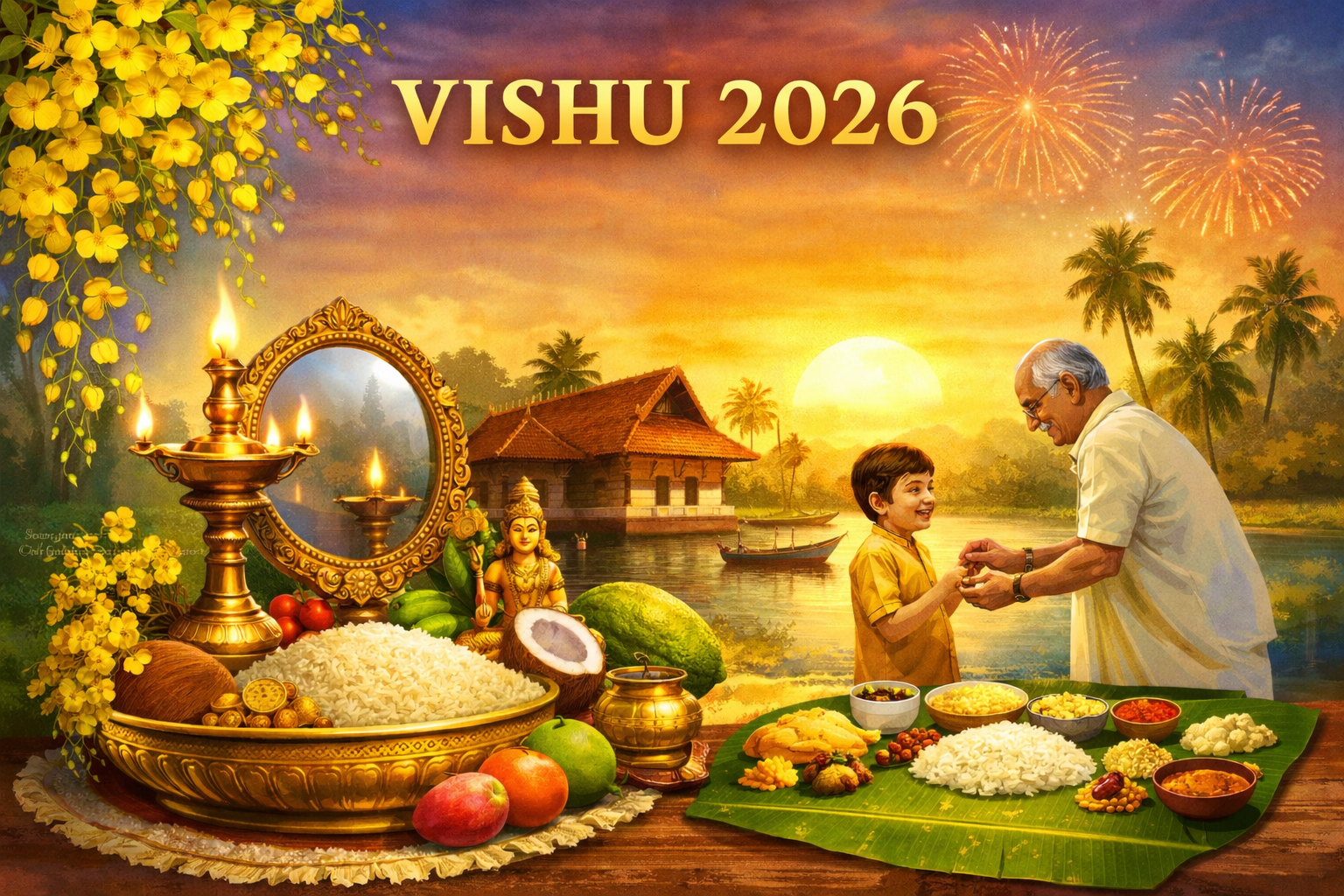
For Malayali families, Vishu 2026 is a time to welcome the year with positivity and abundance. The day begins with the sacred sight of the Vishukkani, followed by prayers, family gatherings, festive food, and blessings from elders. Many people searching for vishu, vishu 2026, happy vishu 2026, and happy vishu want to understand the meaning, traditions, and celebration of this beautiful Kerala festival.
Vishu 2026 Date and Time
Here are the important details for Vishu 2026:
Vishu 2026 Date: April 15, 2026, Wednesday
Sankranti Moment: 09:39 AM, April 14, 2026
Festival / Vishu Kani Day: April 15, 2026
Occasion: Sun’s transition into Mesha Rashi (Aries)
What is Vishu?
Vishu is a major festival of Kerala associated with prosperity, fresh beginnings, and family togetherness. It is widely celebrated by Malayalis in Kerala and across the world. The day is considered highly auspicious, and people believe that beginning it with a positive sight and prayer brings happiness and success throughout the year.
Why is Vishu Celebrated?
Vishu is celebrated to welcome a new phase of life with hope, peace, and prosperity. The festival is linked with the Sun’s entry into Mesha Rashi, making it important in the traditional solar calendar. It is also seen as a day of spiritual renewal, gratitude, and cultural celebration.
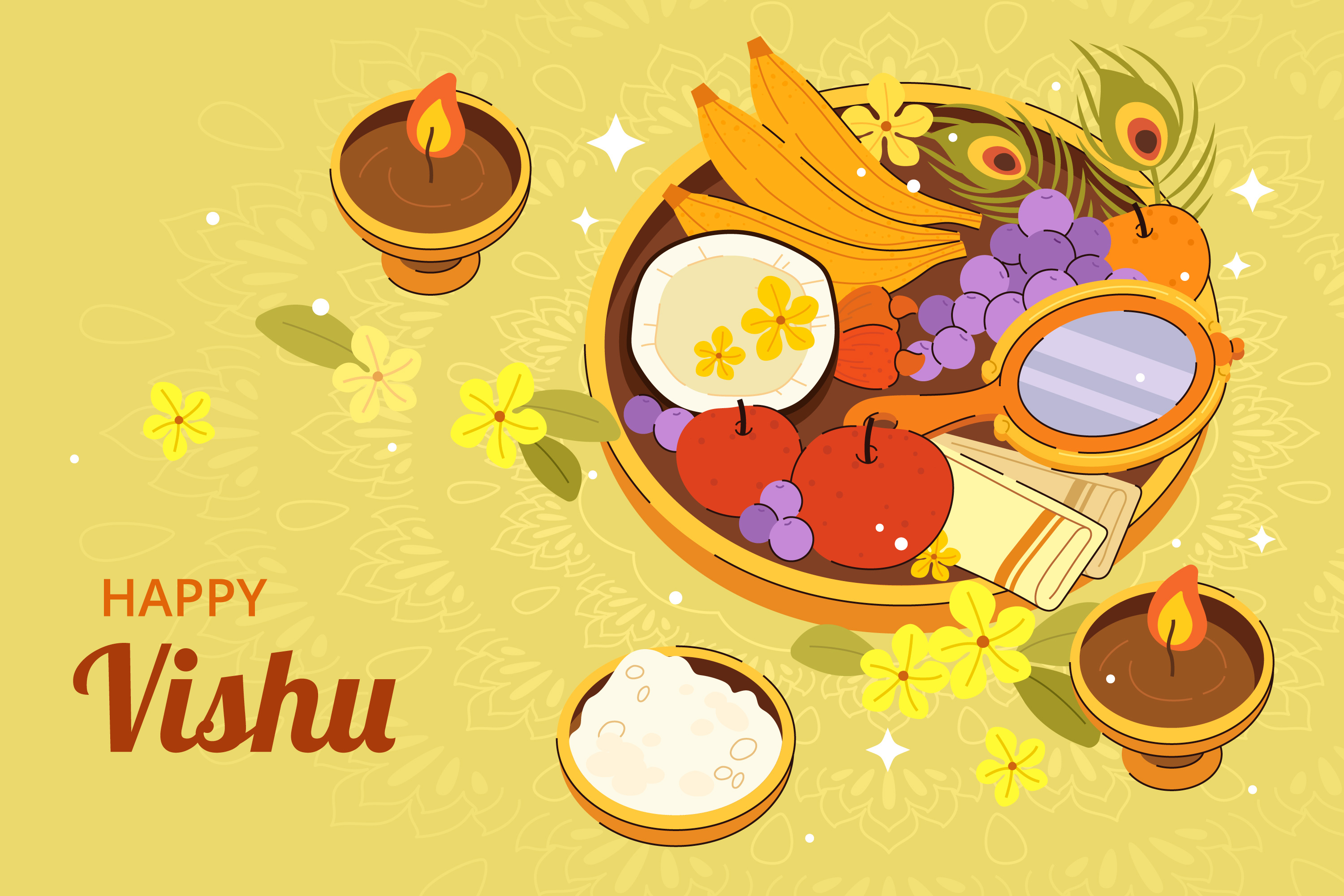
For families, Vishu is not only a religious festival but also a celebration of togetherness. Elders bless the younger members, homes are decorated, special food is prepared, and the whole family comes together to begin the year on a positive note.
Vishukkani The Most Important Vishu Ritual
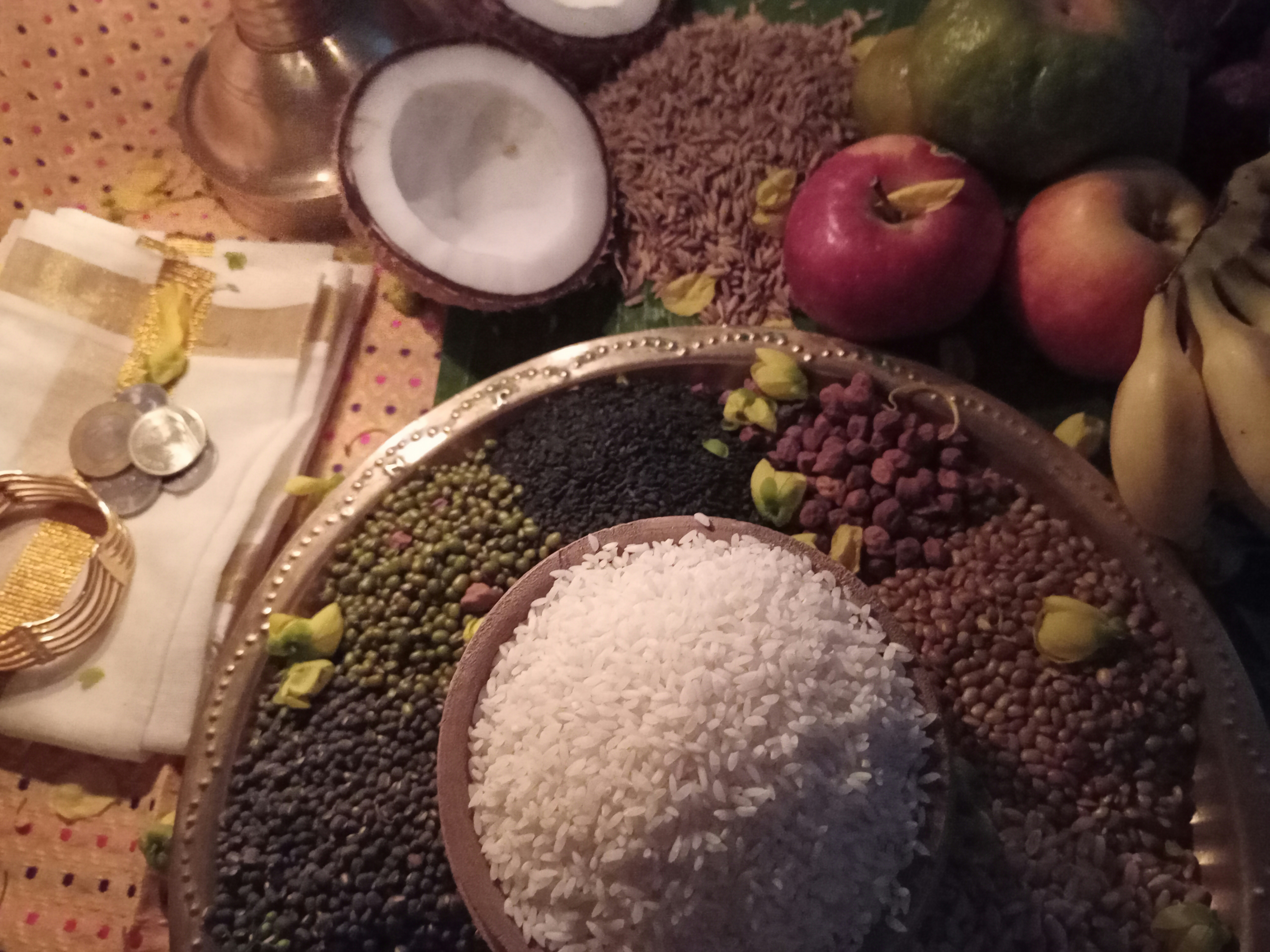
The most special part of Vishu 2026 is the Vishukkani. This is the sacred arrangement prepared on the previous night and viewed first thing in the morning. It is believed that seeing the Vishukkani at dawn brings prosperity and good fortune for the year ahead.
The Vishukkani is usually arranged by the eldest woman in the family and placed before an image or idol of Lord Krishna with a lit lamp.
Vishukkani Items List
A traditional Vishukkani may include:
Rice and grains
Banana, mango, jackfruit, and other fruits
Cucumber and vegetables
Yellow Kanikonna flowers
Nilavilakku or traditional lamp
Mirror
Gold ornaments, coins, or currency
Holy books or deity images
Vishukkaineetam Meaning
Vishukkaineetam is the custom where elders give money to children and younger family members as a blessing. It symbolises prosperity, affection, and the sharing of happiness within the family. For many children, this is one of the most exciting parts of Vishu 2026.
Vishu Sadya
The Vishu Sadya is the traditional festive meal served during Vishu. It is usually enjoyed on a banana leaf and includes many Kerala dishes prepared with care and love. A typical Vishu Sadya may include rice, sambar, avial, thoran, pachadi, pickles, papadam, and payasam.
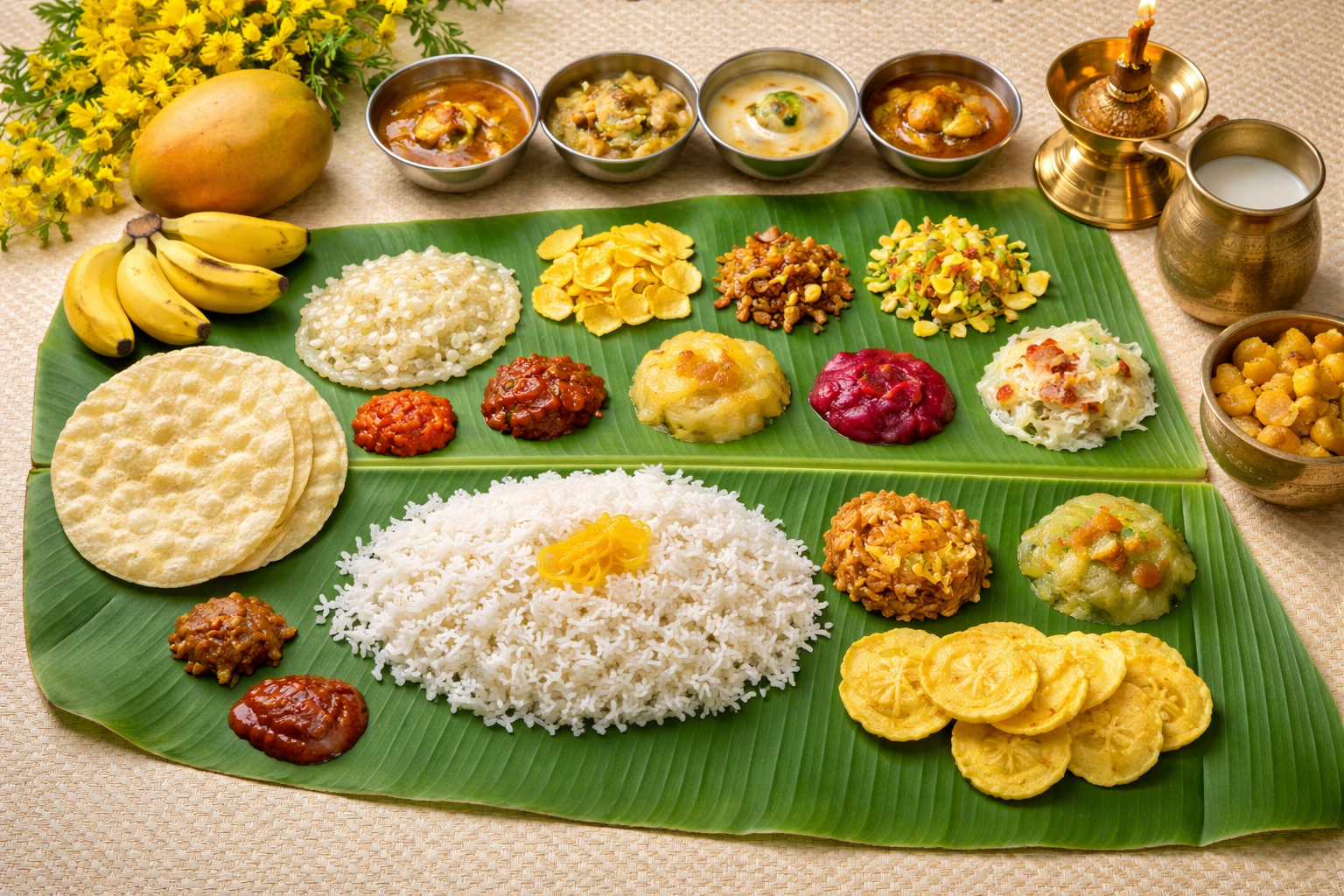
The Sadya is an important part of the celebration because it brings the whole family together and reflects the spirit of abundance and joy.
How is Vishu Celebrated?
People celebrate Vishu in many joyful ways:
Preparing the Vishukkani the night before
Waking up early to see the Vishukkani
Lighting the Nilavilakku and offering prayers
Visiting temples or praying at home
Receiving or giving Vishukkaineetam
Enjoying the Vishu Sadya
Wearing new clothes
Bursting crackers and celebrating with family
Happy Vishu 2026 Wishes
Here are a few simple wishes you can use:
Happy Vishu 2026 to you and your family
Wishing you peace, prosperity, and happiness this Vishu 2026
May this Vishu fill your home with joy and blessings
Sending warm happy vishu wishes for a bright and successful year
Significance of Vishu in Kerala
Vishu holds deep cultural importance in Kerala because it represents a fresh beginning, faith, prosperity, and family unity. The festival is also closely associated with Kerala’s traditional customs, food, and devotional practices. From Vishukkani to Sadya, every ritual reflects the values of gratitude, abundance, and positivity.
Conclusion
Vishu 2026 is a festival of prosperity, blessings, and joyful beginnings. Celebrated with Vishukkani, Vishukkaineetam, Sadya, prayers, and family gatherings, Vishu continues to be one of Kerala’s most meaningful festivals. As families come together on April 15, 2026, the spirit of Vishu 2026 reminds everyone to welcome the year with hope and happiness.
FAQs on Vishu 2026 Date Time Rituals Significance and Vishukkani Details
1. When is Vishu 2026?
According to Drik Panchang, Vishu 2026 will be observed on Wednesday, April 15, 2026, and the Sankranti Moment occurs at 09:39 AM on April 14, 2026.
2. What is Vishukkani?
Vishukkani is the auspicious arrangement of fruits, rice, flowers, lamp, mirror, and gold that is seen first on Vishu morning.
3. Why is Vishu celebrated?
Vishu is celebrated to welcome prosperity, positivity, and a fresh beginning. It is associated with the Sun’s transition into Mesha Rashi.
4. What is Vishukkaineetam?
Vishukkaineetam is the tradition in which elders give money to younger family members as a blessing for happiness and prosperity.
5. What are the main items in Vishukkani?
The main Vishukkani items include rice, fruits, cucumber, Kanikonna flowers, mirror, Nilavilakku, coins, gold, and holy books or deity images.
6. What is Vishu Sadya?
Vishu Sadya is the special festive meal prepared on Vishu and served on a banana leaf with a variety of Kerala dishes.
7. Is Vishu celebrated only in Kerala?
Vishu is mainly celebrated in Kerala, but Malayali communities in other Indian states and abroad also celebrate it with devotion and joy.
8. How do people wish Happy Vishu?
People usually say Happy Vishu or Happy Vishu 2026 and share blessings for peace, prosperity, and success.
9. What is the significance of Kanikonna flowers in Vishu?
Kanikonna flowers are considered auspicious and are an important part of the Vishukkani arrangement.
10. What makes Vishu special?
Vishu is special because it brings together faith, family blessings, festive food, cultural traditions, and the hope of a prosperous year ahead.



