



What is National Food Bank Day and Why Is It Important?
National Food Bank Day 2026 will be observed on Friday, September 4, 2026. The day is celebrated every year on the first Friday of September to recognise the important work done by food banks, volunteers and hunger-relief organisations.
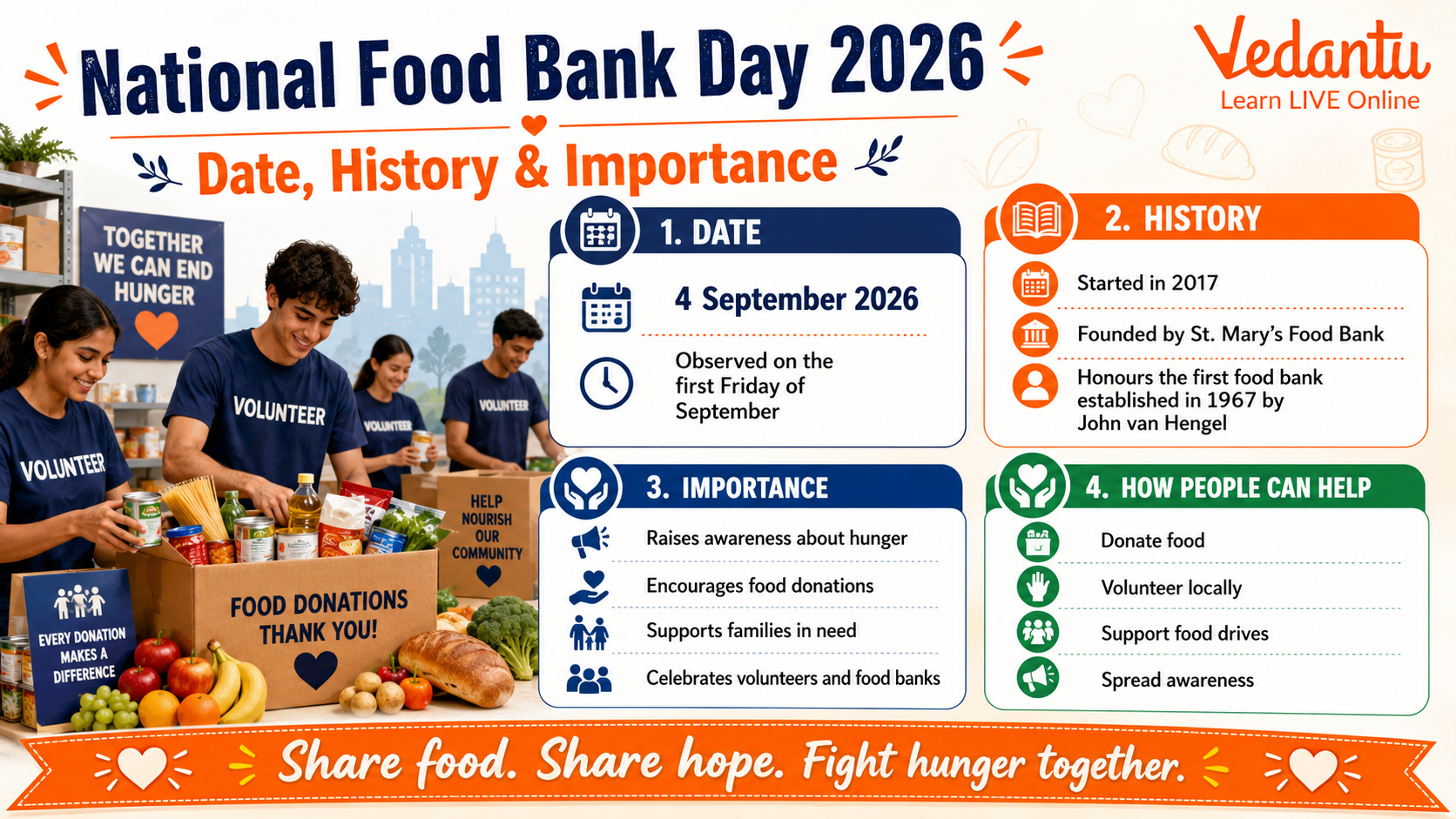
Food is a basic human need, but many people still struggle to get regular meals. National Food Bank Day reminds us that hunger can affect anyone, including families, children, workers, elderly people and neighbours in our own communities. The day encourages people to donate, volunteer and spread awareness so that fewer people have to sleep hungry.
What is National Food Bank Day?
National Food Bank Day is an awareness day dedicated to supporting food banks and recognising their role in fighting hunger. It encourages people to contribute food, money, time or awareness to help those who are facing food insecurity.
The day also honours the people who work behind the scenes, such as volunteers, food bank staff, community groups, donors and partner organisations. Their efforts help collect, sort, store and distribute food to people who need support.
National Food Bank Day 2026 Date
National Food Bank Day is observed on the first Friday of September every year. In 2026, the first Friday of September falls on September 4.
What is a Food Bank?
A food bank is an organisation that collects, stores and distributes food to people who do not have enough to eat. Food banks often work with local charities, shelters, schools, community kitchens and food pantries to reach families and individuals in need.
In simple words, if someone asks what is food bank or what is a food bank, the answer is: a food bank is a support system that helps reduce hunger by providing food to people facing difficult situations.
Food banks may collect non-perishable food items, fresh produce, packaged food, funds and other essentials. Volunteers then help sort and distribute these items through community networks.
Why Are Food Banks Important?
Food banks are important because they help people during times of crisis. A person or family may need support due to job loss, illness, rising expenses, low income or sudden changes in life. Hunger is not always visible, and many people may struggle silently.
Food banks help by filling the gap between need and access. They support parents who want to feed their children, elderly people living with limited resources, and families going through financial hardship.
Many food banks also promote education, self-sufficiency and community support. Some people who once received help later return as volunteers, creating a cycle of care and kindness.
History of National Food Bank Day
National Food Bank Day was founded by St. Mary’s Food Bank to recognise the contribution of food banks across the country. St. Mary’s Food Bank was established by John van Hengel in 1967 in Phoenix, Arizona.
John van Hengel is associated with the idea of grocery rescue and modern food banking. His idea helped create a system where extra food could be collected and shared with people who needed it. Over time, this idea spread and inspired many food banks.
The Registrar at National Day Calendar proclaimed National Food Bank Day to be observed every year on the first Friday of September, beginning in 2017.
Purpose of National Food Bank Day
The main purpose of National Food Bank Day is to raise awareness about hunger and encourage people to support hunger-relief efforts.
The day focuses on:
Honouring food banks and volunteers
Encouraging food donations
Supporting people facing food insecurity
Spreading awareness about hidden hunger
Promoting community service
Inspiring students and families to help others
For students, this day is also a lesson in compassion, social responsibility and community participation.
How to Observe National Food Bank Day
People can observe National Food Bank Day in simple and meaningful ways. Even small efforts can make a difference when many people come together.
Some ways to participate include:
Donate non-perishable food items.
Support a local food pantry or community kitchen.
Volunteer at a food bank.
Help sort, pack or distribute food.
Share awareness messages on social media.
Organise a food collection drive at school or in the community.
Check a local food bank’s needs list before donating.
Thank food bank workers and volunteers.
The hashtag #NationalFoodBankDay can also be used to spread awareness and appreciate local food banks.
Food Bank Near Me: How to Find Local Support
Many people search for food bank near me when they want to donate, volunteer or get help. The best way to find a nearby food bank is to search online, check community centres, ask local charities, contact schools or reach out to local government support services.
Before visiting a food bank, it is better to check:
Opening hours
Donation rules
Accepted food items
Volunteer requirements
Distribution timings
Whether an appointment is needed
This helps both donors and people seeking support avoid confusion.
What Can You Donate to a Food Bank?
Food banks usually accept non-perishable food items that are sealed and within the expiry date. Donation needs may vary, so it is always better to check the local food bank’s list.
Common donation items include:
Rice
Pasta
Canned vegetables
Canned beans
Cereal
Peanut butter
Cooking oil
Flour
Baby food
Packaged snacks
Dry fruits
Lentils and pulses
Avoid donating expired, opened, damaged or unsafe food items.
National Food Bank Day Activities for Students
Students can take part in National Food Bank Day through awareness and community service activities.
Useful activities include:
Food donation drive
Poster-making on hunger awareness
Short speech on food banks
Classroom discussion on food insecurity
Thank-you cards for volunteers
Awareness slogans
Community service project
Essay writing on food banks
Chart on how food banks work
These activities help students understand kindness, sharing and the importance of helping people in need.
National Food Bank Day Slogans and Quotes
Here are some simple slogans and quotes students can use:
No one should go to bed hungry.
Share food, spread hope.
A small donation can fill an empty plate.
Food banks turn kindness into meals.
Helping one family can strengthen a whole community.
Donate today, make hunger smaller tomorrow.
Hunger can be hidden, but kindness can reach it.
Food is not just a need; it is a right to dignity.
Key Takeaways
National Food Bank Day is observed every year on the first Friday of September. In 2026, it will be celebrated on Friday, September 4.
The day honours food banks, volunteers and hunger-relief efforts. It also encourages people to donate food, volunteer time and spread awareness about food insecurity. Food banks play an important role in helping individuals and families who are facing difficult situations.
Conclusion
National Food Bank Day 2026 is a meaningful day that reminds us of the importance of food, kindness and community support. Food banks help people who are struggling with hunger and provide hope during difficult times. Students, families and communities can observe the day by donating food, volunteering, spreading awareness and supporting local hunger-relief efforts. Even a small act of help can make a real difference in someone’s life.
FAQs on National Food Bank Day 2026: Date, History, Importance and Ways to Help
1. What is National Food Bank Day?
National Food Bank Day is an awareness day that recognises the work of food banks, volunteers and hunger-relief organisations. It encourages people to donate, volunteer and support those facing food insecurity.
2. When is National Food Bank Day 2026?
National Food Bank Day 2026 will be observed on Friday, September 4, 2026. It is celebrated every year on the first Friday of September.
3. Why is National Food Bank Day celebrated?
National Food Bank Day is celebrated to honour food banks and volunteers who help fight hunger. It also encourages people to support local food banks through donations, volunteering and awareness.
4. What is a food bank?
A food bank is an organisation that collects, stores and distributes food to people who do not have enough to eat. It often works with local charities, shelters, schools and food pantries.
5. What is food bank support used for?
Food bank support is used to help individuals and families facing hunger or food insecurity. It may include food packets, meals, groceries and other basic food items.
6. Who started National Food Bank Day?
National Food Bank Day was founded by St. Mary’s Food Bank. It also honours the work of John van Hengel, who founded St. Mary’s Food Bank in 1967.
7. How can I find a food bank near me?
To find a food bank near me, search online, check local community centres, contact nearby charities, or ask local schools and government support offices for food assistance information.
8. What can I donate to food banks?
You can donate non-perishable food items such as rice, pasta, canned food, cereal, lentils, pulses, cooking oil and packaged food. Always check the food bank’s needs list before donating.
9. Can students participate in National Food Bank Day?
Yes, students can participate by organising food donation drives, making awareness posters, writing essays, giving speeches, preparing slogans and volunteering with adult supervision.
10. Why are food banks important?
Food banks are important because they help people who are unable to access enough food. They support families, children, elderly people and individuals during difficult times.
11. What should not be donated to a food bank?
Expired food, opened packets, damaged containers, unsafe items and food that needs special storage should not be donated unless the food bank specifically accepts them.
12. How can schools observe National Food Bank Day?
Schools can observe National Food Bank Day by organising food drives, awareness assemblies, poster-making competitions, classroom discussions and community service activities.
13. What is the message of National Food Bank Day?
The message of National Food Bank Day is that no one should go hungry. It encourages kindness, sharing, volunteering and community support.
14. Are food banks and food pantries the same?
Food banks usually collect and store large quantities of food, while food pantries often distribute food directly to people in the community. In many places, they work together.
15. How can I help food banks without donating food?
You can help food banks by volunteering, donating money, spreading awareness, organising collection drives or encouraging others to support local hunger-relief programmes.



