



When is Lohri? and Why It is Celebrated?
Lohri is a vibrant winter festival celebrated mainly in Punjab, Haryana, and parts of North India. It marks the end of the cold winter season and the beginning of longer days as the Sun starts its northward journey. Lohri is deeply connected to agriculture, harvest traditions, and community bonding, making it one of the most culturally rich festivals of India.
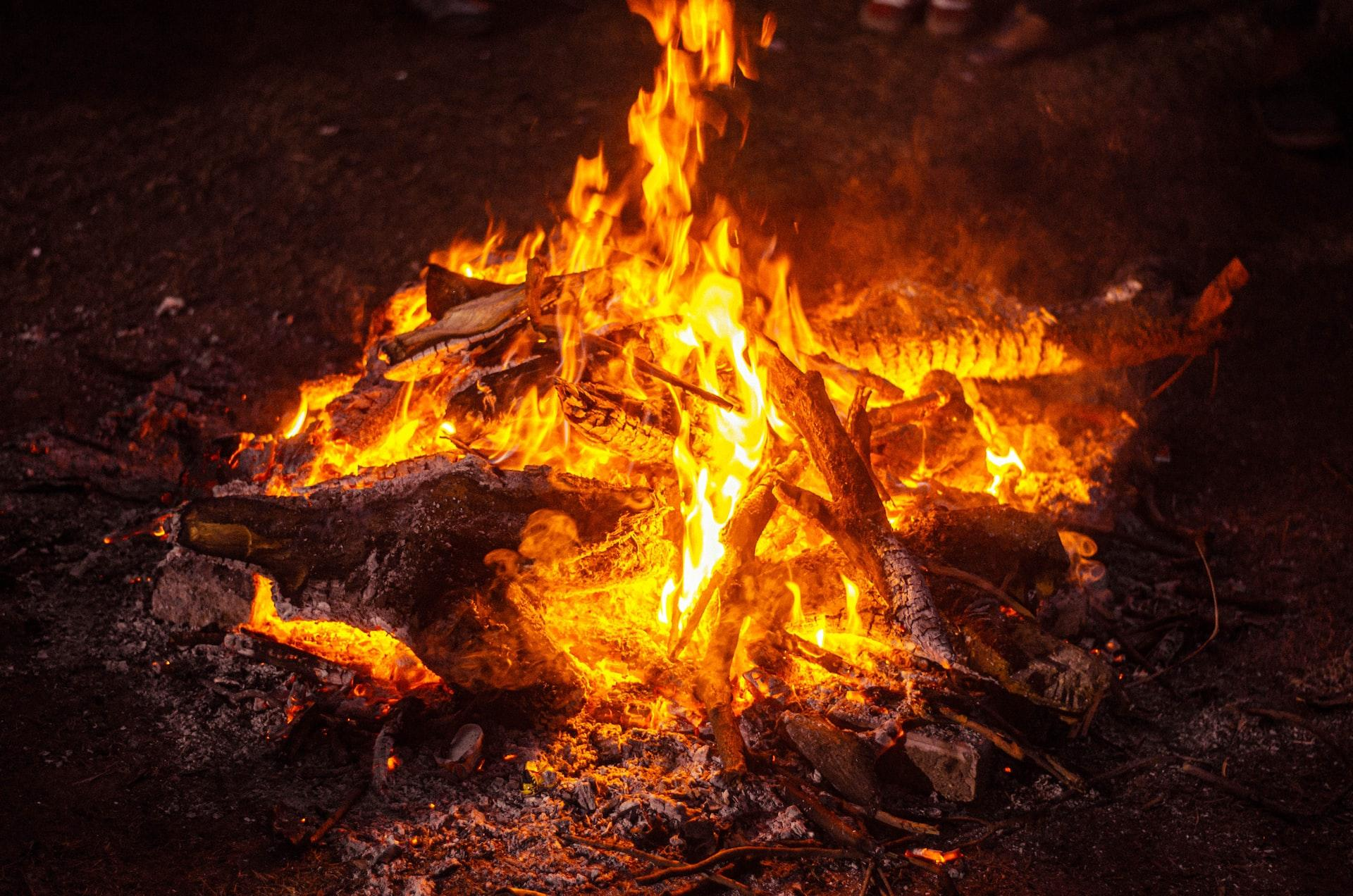
The festival is usually celebrated on January 13 every year, a day before Makar Sankranti. Lohri festival celebrations bring families and communities together around a bonfire, symbolising warmth, gratitude, and renewal.
Also Check: Happy Lohri Wishes: 80+ Unique and Beautiful Lohri Wishes and Messages
When is Lohri Celebrated in 2026?
Lohri is celebrated on January 13 every year, marking the end of winter and the eve of Makar Sankranti. In 2026, Lohri will be observed on Tuesday, January 13, 2026, signifying the transition from cold winter to longer, warmer days as the Sun begins its northward journey in the solar calendar.
What is Lohri and Why It is Celebrated
Lohri is a cultural harvest festival with roots in the agrarian traditions of Punjab and neighbouring states. It celebrates the successful harvest of rabi crops such as sugarcane, wheat, and mustard. Families gather around bonfires to thank nature, the Sun God, and the earth for a good harvest and pray for prosperity in the coming year.
The bonfire at the heart of Lohri symbolises warmth, light, and the victory of light over darkness. It represents energy and spiritual renewal, as people gather in joyful celebration.
Historical Background and Folklore
Lohri’s history is intertwined with Punjabi folklore and agrarian life. One well-known legend is that of Dulla Bhatti, a hero from the Mughal era remembered for protecting and helping the needy. Songs sung during Lohri often mention his name, celebrating generosity and valour.
Traditional Rituals and Customs
Lighting the Bonfire
The bonfire is lit at sunset, bringing warmth and symbolising the burning away of winter’s chill and old negativity.
Offerings to the Fire
People throw sesame seeds, jaggery (gur), rewri, peanuts, popcorn, and other seasonal produce into the fire as a gesture of thanks and sharing of abundance.
Singing and Dancing
Folk songs and dances such as Bhangra and Gidda are performed around the bonfire, adding joy and unity to the celebrations.
Children’s Traditions
In many Punjabi communities, children go house to house singing Lohri songs like “Sundar Mundriye Ho” and are given sweets or treats, reflecting community involvement.
Special Celebrations and Milestones
For families with newborn babies or newlywed couples, Lohri is an especially significant celebration. The festival brings additional prayers and blessings for the future, symbolising new beginnings and hope.
Harvest Foods and Seasonal Delights
Traditional foods enjoyed during Lohri include:
Rewri, Gajak, Til (sesame) sweets
Popcorn and peanuts
Makki di roti and sarson da saag
Sugarcane
These treats not only warm the body but also represent the season’s bounty and communal sharing.
Regional Variations and Related Festivals
While Lohri is most prominent in Punjab, Haryana, Himachal Pradesh, and Delhi, similar winter harvest festivals are celebrated across India:
Maghi in Punjab on the day after Lohri, marking seasonal significance.
Lal Loi among Sindhi communities, a variant of bonfire tradition.
Makar Sankranti, Pongal, and Bihu celebrate harvest and the Sun’s cycle in different regions.
How Students and Families Can Celebrate
Lohri celebrations are not just rituals — they are learning experiences for students. By participating in cultural activities, students can:
Appreciate agricultural heritage
Understand seasonal cycles and solar movements
Respect traditions and community values
Connect classroom learning with cultural experiences
Parents and teachers can include discussions on folklore, songs, and science of seasons to enrich the celebration.
Eco-Friendly and Safe Celebration Tips
To celebrate Lohri responsibly:
Use clean wood and avoid plastics in bonfires.
Keep fire safety measures in place with water nearby.
Supervise children and maintain safe distances.
Respect local regulations and community spaces.
Conclusion
Lohri is more than a festival — it is a celebration of culture, harvest, community, and gratitude. The bonfire, music, food, and rituals reflect ancient traditions and the human connection with nature and seasons. By understanding Lohri’s meaning and customs, learners can appreciate its deep cultural roots and the joy it brings to families and communities across India.
FAQs on Lohri 2026: Celebrations, Meaning, Traditions and Cultural Importance
1. What is Lohri and why is it celebrated?
Lohri is a popular harvest festival celebrated mainly in Punjab and northern India to mark the end of winter and the arrival of longer days. Lohri is celebrated to:
- Express gratitude for nature’s bounty and a successful harvest
- Welcome the sun’s journey to the Northern Hemisphere
- Foster community bonding through bonfire rituals, singing, and dancing
2. When is Lohri celebrated in 2026?
Lohri will be celebrated on January 13, 2026. The festival always falls on the 13th of January each year to symbolize the end of winter and the passing of the winter solstice, leading into the harvest season.
3. What are the main rituals and customs of Lohri?
Lohri customs are colourful and meaningful, representing gratitude and social unity. Key rituals include:
- Lighting the bonfire: Central community event held at sunset
- Offering foods: Sesame seeds (til), jaggery (gur), peanuts, and popcorn are given to the fire
- Singing & dancing: Folk songs, bhangra, and gidda are performed
- Sharing prasad: Distributing traditional sweets and foods to all
- New beginnings: Special celebrations for a newborn baby or newly-married couple
4. What is the history and legend behind Lohri?
Lohri’s origins are rooted in Punjab’s agricultural traditions and folk legends. The most famous story is about Dulla Bhatti, a Punjabi hero celebrated for his acts of bravery and fairness. The festival also:
- Symbolizes gratitude for the year’s harvest
- Marks the onset of longer days after the winter solstice
- Celebrates rural heritage and folk traditions
5. Is Lohri a Sikh festival or a Hindu festival?
Lohri is a cultural harvest festival, celebrated by Punjabis across religions, including Sikhs and Hindus. It is not restricted to one religion, but is associated with the agrarian lifestyle of northern India.
6. Why is Lohri celebrated in Sikhism?
In Sikhism, Lohri is celebrated mainly as a cultural event, not as a religious festival. Sikhs join in Lohri festivities to:
- Express gratitude for the harvest
- Strengthen family and community bonds
- Welcome new beginnings, such as marriages or births
7. What special foods are eaten during Lohri?
Traditional Lohri foods include:
- Sesame seeds (til) and jaggery (gur) sweets
- Rewri, gajak, and popcorn
- Peanuts and other seasonal treats
- Prasad shared after bonfire rituals
8. How can students and families celebrate Lohri safely and respectfully?
To enjoy Lohri responsibly:
- Use only eco-friendly materials for bonfires—avoid plastics and burn clean dry wood
- Practice fire safety by supervising children and keeping water nearby
- Maintain a respectful distance from the flames
- Include diverse friends and neighbours in your celebrations
- Balance festivities with exam schedules if needed
9. Is Lohri celebrated by Muslims or other religions?
Lohri is mainly a Punjabi cultural festival, not linked to any one religion. People from various religions, including Muslims, Sikhs, and Hindus, may participate in local customs and community gatherings in northern India.
10. What is the meaning of Lohri and how is it pronounced?
Lohri (pronounced as ‘Lo-ree’) comes from words linked with warmth and light. The term Loh means a light or fire, highlighting the festival’s connection to the bonfire and the changing season.
11. Are there similar festivals to Lohri in other parts of India?
Yes, similar harvest festivals occur across India around the same time:
- Makar Sankranti: Celebrated in most states, marking the sun’s transition
- Pongal: Tamil Nadu’s harvest festival
- Bihu: Assam’s harvest festival
12. How is Lohri celebrated in Punjab versus other states?
In Punjab, Lohri involves large bonfires, singing, and dancing in villages and towns. In other states:
- Celebrations may be smaller or community-based (Delhi, Haryana, Chandigarh)
- Similar festivals with local names and customs take place in Bengal, Tamil Nadu, and other regions



