



What is the theme and meaning of International Human Solidarity Day 2025?
International Human Solidarity Day is observed globally on 20 December every year to highlight the vital importance of unity and cooperation among people. This day encourages individuals, communities, and nations to work together towards social and economic progress, reducing inequalities, and advancing human dignity.
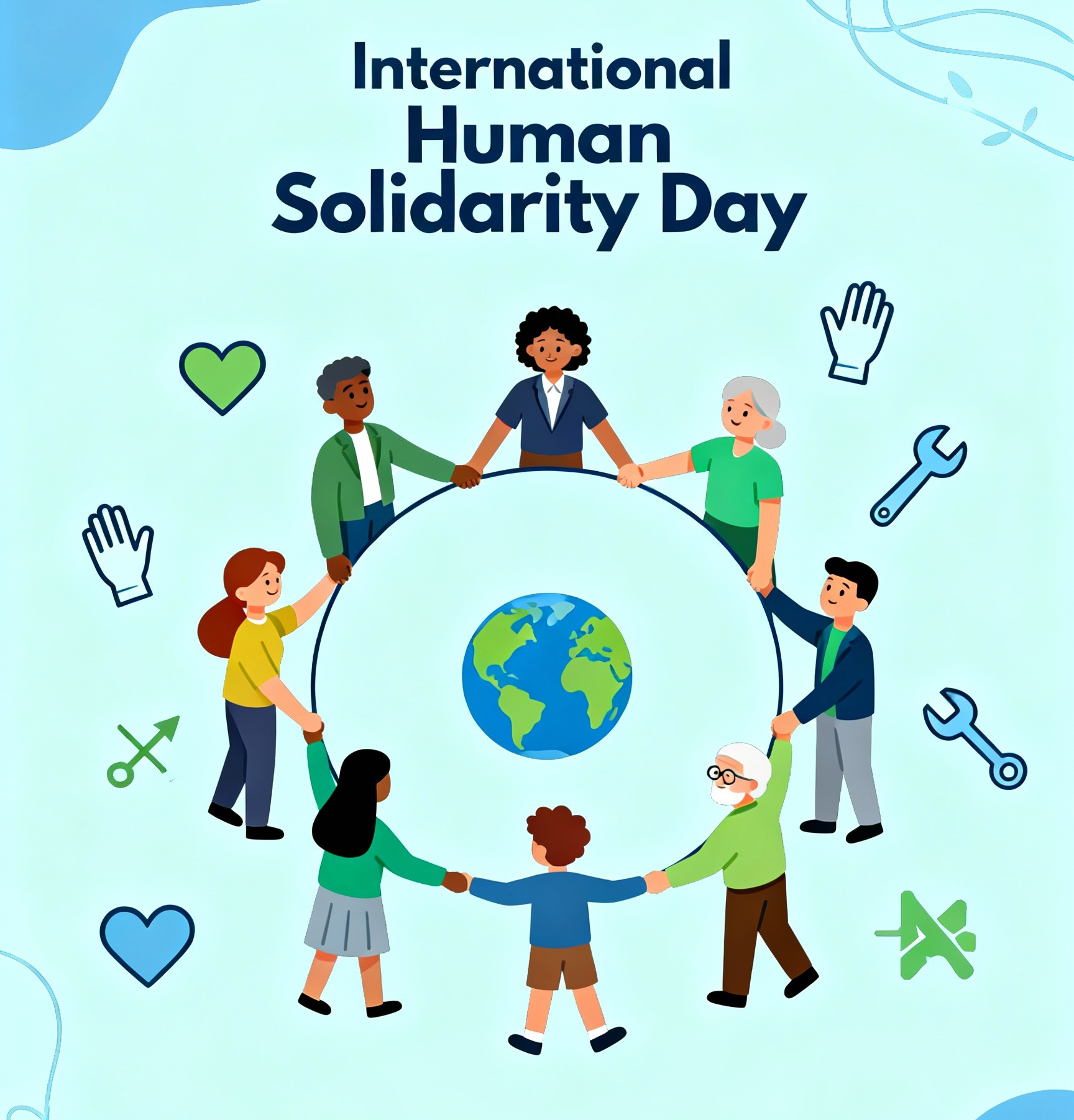
International Human Solidarity Day 2025: Meaning, Purpose & Celebration Date
Building upon the significance of unity, International Human Solidarity Day in 2025 falls on Saturday, December 20. The observance was established by the United Nations to promote the core value of solidarity, which is essential for achieving global goals such as peace, justice, and equality.
History and Cultural Context of International Human Solidarity Day
Having clarified when the day is observed, it’s important to understand its origins and cultural roots. International Human Solidarity Day was proclaimed by the United Nations General Assembly in 2005, following the adoption of the Millennium Declaration. The UN views solidarity as fundamental to relations between people, societies, and nations, marking it as a key value in the pursuit of world peace and development.
Significance of International Human Solidarity Day for Students
Understanding the historical context helps in appreciating why this day holds special value, especially for students. International Human Solidarity Day reminds young people of their powerful role in creating inclusive communities, speaking up for equality, and working collaboratively to solve common challenges—skills essential in both academic and real-world environments.
Customs, Rituals, and Practices for International Human Solidarity Day
Drawing from the significance for students, the observance’s customs and rituals focus on fostering awareness, empathy, and inclusivity. There are no religious ceremonies, but people and schools worldwide engage in a variety of meaningful practices:
Solidarity Pledge: Individuals, especially students, may collectively pledge to promote equality and peace. This reinforces the spirit of shared responsibility.
Group Discussions and Debates: Schools and colleges organize sessions exploring topics like human rights, poverty elimination, and the meaning of human solidarity, encouraging active participation and respectful listening.
Volunteering and Charity Drives: Many students and youth volunteer or donate to support marginalized communities, fostering practical empathy and shared growth.
Art and Essay Competitions: Creative events help students express what solidarity means to them, often highlighting its impact on society and personal growth.
Sharing Quotes and Messages: Inspirational solidarity quotes are shared across classrooms, social media, and community events, deepening understanding and motivation.
Regional Celebrations Across India
Connecting the day’s customs to local realities, regional observances of solidarity in India often blend with themes of national unity and social justice. While International Human Solidarity Day itself is not a traditional festival, related activities like group pledges, debates, and social outreach are organized by schools and NGOs in states such as Kerala, Maharashtra, West Bengal, and Delhi. In some regions, it is discussed alongside or compared to India's National Solidarity Day (20 October), though the occasions differ in focus.
How to Participate in International Human Solidarity Day 2025
After exploring regional practices, here are some simple yet impactful ways students and educators can participate in International Human Solidarity Day 2025:
Organize or join group discussions on solidarity and inclusivity.
Volunteer for a local cause supporting underprivileged groups.
Create or share posters, poems, or quotes promoting human unity.
Participate in online campaigns or awareness events using hashtags like #HumanSolidarityDay.
Educate classmates about Sustainable Development Goals (SDGs) and how solidarity helps achieve them.
Write a short essay or speech explaining what human solidarity means to you.
Tips & Etiquette: Eco-Friendly, Inclusive, and Safe Observance
With participation ideas in mind, it’s also vital to consider ways to make the observance positive and responsible for everyone:
Use recycled materials for posters, banners, or artwork.
Involve students from all backgrounds, ensuring everyone feels included.
Practice digital safety if sharing solidarity messages or photos online.
Balance time between activities and studies for overall well-being.
Respect cultural differences and encourage kind, supportive dialogue.
Quick Recap and Key Takeaways
In summary, International Human Solidarity Day reminds us of the importance of unity in addressing worldwide inequalities and fostering growth. By participating in group discussions, creative contests, and inclusive events, students can strengthen their sense of responsibility and belonging while contributing meaningfully to a better, more united world.
Related Articles
Here are some useful links related to this topic.
National Mathematics Day (22 Dec) – Discover Ramanujan’s work that inspires scientific progress.
National Farmers Day (23 Dec) – Understand the importance of Indian farmers, celebrated the following day.
National Consumer Day (24 Dec) – Learn about consumer rights and responsibilities celebrated this week.
Christmas Eve (24 Dec) – Explore how festive celebrations bring people together.
FAQs on International Human Solidarity Day 2025: History, Theme, Significance & Inspiration
1. What is International Human Solidarity Day?
International Human Solidarity Day is a United Nations observance held every year on December 20 to promote global unity, cooperation, and the shared responsibility of addressing worldwide problems, such as poverty and inequality.
2. What is the theme of International Human Solidarity Day 2025?
The official theme for International Human Solidarity Day 2025 is expected to be announced by the United Nations closer to the date. This annual theme highlights a specific aspect of unity and cooperation to address global challenges. Please check back for updated information as the day approaches.
3. Why do we observe International Human Solidarity Day?
We observe International Human Solidarity Day to remind everyone of the importance of solidarity in overcoming global challenges. The day encourages:
- Unity among nations and people
- Eradication of poverty
- Promotion of social and economic development
- Fostering global cooperation
4. Who started International Human Solidarity Day?
International Human Solidarity Day was established by the United Nations General Assembly in 2005 as part of the UN’s commitment to promoting global solidarity and meeting the Sustainable Development Goals.
5. What is the meaning of “human solidarity”?
Human solidarity means unity among people, nations, or groups based on shared interests and goals. It involves:
- Supporting each other regardless of background
- Working together to solve global problems
- Promoting mutual understanding, empathy, and cooperation
6. What is the significance of December 20?
December 20 is significant as it marks International Human Solidarity Day, a time dedicated to celebrating unity, raising awareness about the importance of global cooperation, and promoting joint efforts toward a fairer and more inclusive world.
7. How is International Human Solidarity Day celebrated?
International Human Solidarity Day is celebrated through a variety of engaging activities, including:
- Seminars and webinars on unity and cooperation
- Poster-making competitions
- Sharing inspirational quotes and stories
- Awareness drives and social media campaigns
- Community service and volunteering events
8. What activities can students do for International Human Solidarity Day?
Students can participate in meaningful activities on International Human Solidarity Day, such as:
- Organizing classroom discussions on unity, diversity, and empathy
- Creating posters or banners themed around solidarity
- Performing skits or role-plays on global cooperation
- Writing essays, speeches, or slogans on human solidarity
- Sharing messages and stories about teamwork on social media
9. Can you share some inspiring quotes for Human Solidarity Day?
Here are some inspiring quotes for International Human Solidarity Day:
- “Solidarity is not an act of charity, but mutual aid between forces fighting for the same objective.”
- “Alone, we can do so little; together, we can do so much.” – Helen Keller
- “Unity makes us strong and leads to progress for all.”
- “The whole world is one family – Vasudhaiva Kutumbakam.”
- “In solidarity, there is hope, change, and a better future.”
10. What is observed on December 20 besides International Human Solidarity Day?
December 20 is mainly known for International Human Solidarity Day. Occasionally, other awareness events or commemorations may also be observed, but this United Nations day is the most recognized global observance for the date.
11. What is the history of International Human Solidarity Day?
International Human Solidarity Day was proclaimed in 2005 by the United Nations General Assembly. It aimed to highlight solidarity as an essential value for international relations, inspired by the Millennium Declaration and later integrated into the Sustainable Development Goals agenda.
12. Where can I download posters or banners for International Human Solidarity Day?
You can download International Human Solidarity Day posters and banners from educational platforms and official UN resources. These resources help spread awareness and are perfect for school activities, social media posts, or community programs.



