



Why is International Day of Non-Violence Celebrated on October 2?
The International Day of Non-Violence is observed every year on October 2. This day marks the birth anniversary of Mahatma Gandhi, who led India’s freedom struggle and inspired movements for justice and peace worldwide through his philosophy of non-violence (ahimsa). Recognized by the United Nations, the International Day of Non-Violence serves as a global reminder of the importance of resolving conflicts peacefully and fostering cultures of dialogue, respect, and harmony. In today’s world, its message encourages communities and individuals to reject violence in all forms and to work towards a more tolerant society.
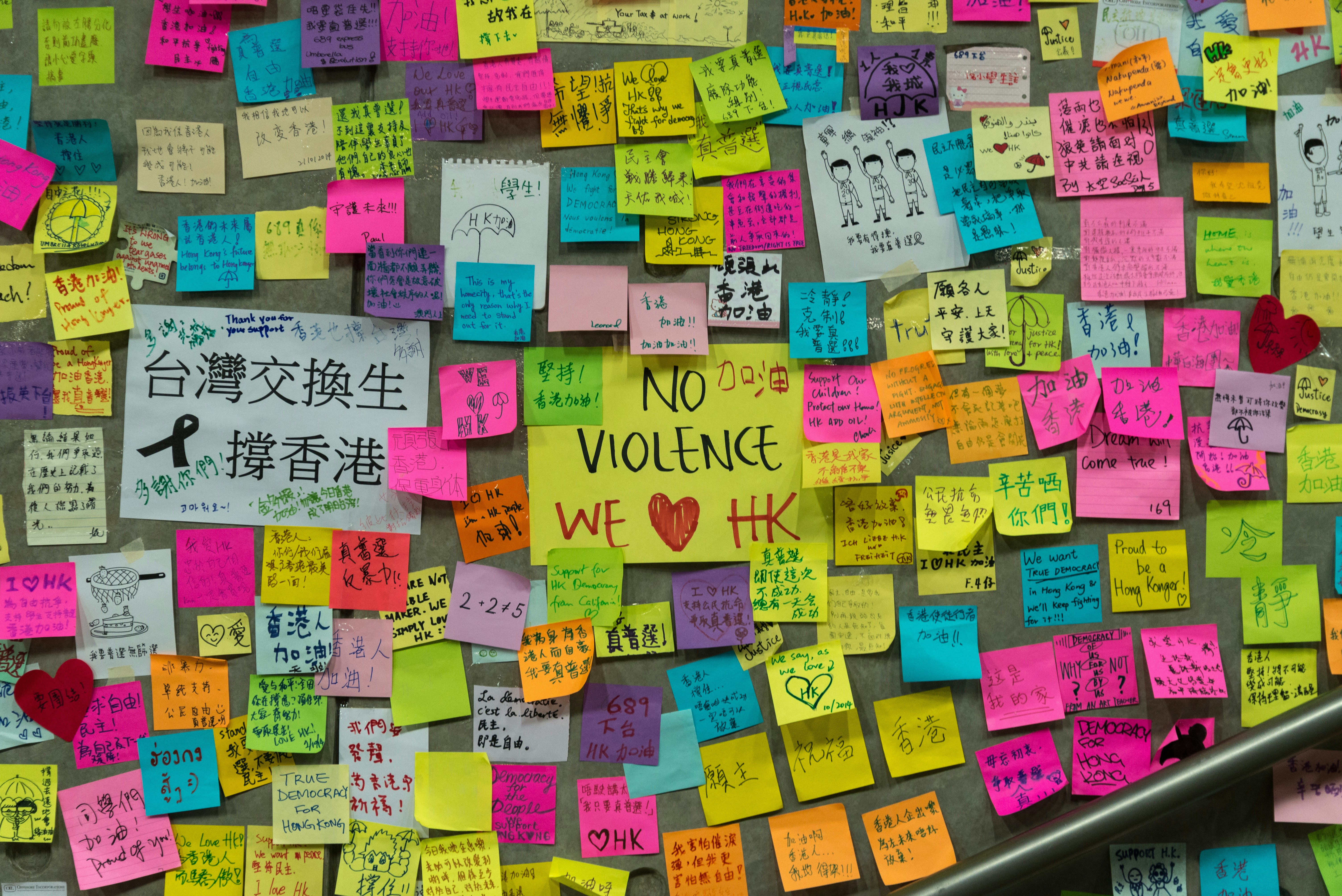
History and Origin
The International Day of Non-Violence was established by the United Nations General Assembly in 2007, following a resolution co-sponsored by 140 countries. The date—October 2—commemorates Mahatma Gandhi's birthday, honoring his pioneering role in using non-violent resistance as a powerful tool for social and political transformation, especially during the Indian independence movement. This day recognizes and spreads Gandhi's teachings worldwide, promoting non-violence as a universal principle for building peaceful societies.
Theme of International Day Of Non Violence 2025
Each year, the International Day of Non-Violence highlights a specific theme to focus global efforts and conversations. For 2025, the official United Nations theme is expected to center on “Fostering Global Solidarity Through Non-Violence” (subject to final announcement). This year’s focus encourages individuals, communities, and leaders around the world to unite against all forms of violence, champion peaceful solutions, and reinforce dialogue as a tool for global understanding.
How International Day Of Non Violence Is Observed
- Educational campaigns in schools and colleges—workshops, storytelling sessions, and poster competitions to encourage awareness.
- Community events, such as peace marches, seminars, and World Peace Day collaborations, reflecting collective commitment to non-violence.
- Digital outreach and awareness through online webinars, social media hashtags, downloadable posters, and sharing Gandhi quotes.
- Government and NGO-led initiatives advocating conflict resolution, mediation training, and youth engagement in non-violence projects.
- Art and essay contests, distribution of informative materials, and candlelight vigils to remember peace leaders.
Inspiring Quotes and Slogans
- "Non-violence is the greatest force at the disposal of mankind." – Mahatma Gandhi
- "Peace is not the absence of conflict, but the ability to cope with it by peaceful means." – Ronald Reagan
- "An eye for an eye only ends up making the whole world blind." – Mahatma Gandhi
- "Where there is love, there is life." – Mahatma Gandhi
- "Let us all work for peace, justice, and non-violence in society." – United Nations
- "The world is moved not only by the mighty shoves of heroes, but also by the aggregate of tiny pushes of each honest worker." – Helen Keller
- "Be the change you wish to see in the world." – Mahatma Gandhi
Reflect and Participate
- Write a short speech on why International Day of Non Violence is important today.
- Create a poster or social media post spreading awareness.
- Discuss with friends/family how this day impacts your life or community.
FAQs on International Day of Non-Violence 2025: Significance, Theme & Quotes
1. What is the theme of International Day of Non-Violence 2025?
As of now, the United Nations has not officially announced the theme for International Day of Non-Violence 2025. Every year, a global theme highlights the focus for campaigns and activities. For the latest information, check trusted UN and official sources in August–September 2025.
2. Why is International Day of Non-Violence celebrated?
International Day of Non-Violence is celebrated to promote non-violence, peace, and conflict resolution worldwide. The day honors Mahatma Gandhi’s birthday and:
- Raises awareness on the importance of resolving conflicts peacefully
- Encourages tolerance, dialogue, and respect among people and nations
- Recognizes non-violence as a powerful tool for social change
3. How can I observe International Day of Non-Violence in school?
Students can observe International Day of Non-Violence through various creative and educational activities:
- Participate in essay, speech, or debate contests on non-violence
- Create posters and drawings promoting peace (see non-violence poster ideas)
- Organize peace walks, campaigns, and classroom discussions
- Share non-violence quotes on social media or school notice boards
4. What is the origin of International Day of Non-Violence?
The International Day of Non-Violence was established by the United Nations in 2007. It is observed on October 2 to mark the birth anniversary of Mahatma Gandhi, leader of the Indian independence movement and a pioneer of the non-violent philosophy (ahimsa).
5. Who started the International Day of Non-Violence?
The United Nations General Assembly started the International Day of Non-Violence on 15 June 2007, following a proposal by the Government of India. The date was chosen to honor Mahatma Gandhi’s legacy.
6. What are some inspiring quotes on non-violence?
Here are some famous non-violence quotes:
- "Non-violence is the greatest force at the disposal of mankind." – Mahatma Gandhi
- "An eye for an eye only ends up making the whole world blind." – Mahatma Gandhi
- "The weak can never forgive. Forgiveness is the attribute of the strong." – Mahatma Gandhi
- "Let us all work for peace, justice, and non-violence in society." – United Nations
- "Be the change you wish to see in the world." – Mahatma Gandhi
7. When is International Day of Non-Violence celebrated each year?
International Day of Non-Violence is celebrated annually on October 2, coinciding with Mahatma Gandhi’s birthday.
8. What are some poster ideas for International Day of Non-Violence?
Popular poster ideas to mark International Day of Non-Violence include:
- Illustrations of peace symbols (dove, olive branch, handshake)
- Gandhi’s famous non-violence quotes with creative typography
- Scenes depicting conflict resolution and unity
- Colorful slogans such as “Say No to Violence” or “Peace Begins With Me”
- Global community holding hands for harmony
9. What is the significance of International Day of Non-Violence?
This day reminds the world of the enduring importance of non-violent methods to address conflicts. It promotes:
- Respect for human rights and dignity
- Empathy, dialogue, and peaceful coexistence
- Global commitment towards building a culture of peace
10. What are some activities to celebrate International Day of Non-Violence?
Common activities include:
- Organizing peace-themed workshops or webinars
- Arranging art and essay competitions on non-violence
- Holding group discussions about famous non-violent movements
- Distributing awareness materials and quote cards
- Participating in local or online peace rallies
11. How is International Day of Non-Violence different from International Day of Peace?
Both days encourage peace, but have unique focus points:
- International Day of Non-Violence (October 2) specifically honors Mahatma Gandhi and promotes the philosophy and strategies of non-violence.
- International Day of Peace (September 21) is dedicated to strengthening the ideals of peace among all nations and people.
12. Where can I find resources and downloads for International Day of Non-Violence?
You can find downloadable non-violence posters, quote cards, and activity sheets on this page or in the downloads section. Visit the links within the article for speeches, essays, and printable resources related to Mahatma Gandhi, peace slogans, and global observance days.



