



Auspicious Time for Saraswati Puja on Basant Panchami 2026
Vasant Panchami 2026, also known as Saraswati Puja, is a highly auspicious Hindu festival that marks the arrival of spring (Vasant Ritu) and celebrates knowledge, wisdom, creativity, learning, and art. Observed with devotion across India, this sacred day is dedicated to Goddess Saraswati, the deity of education, music, speech, and intellect.
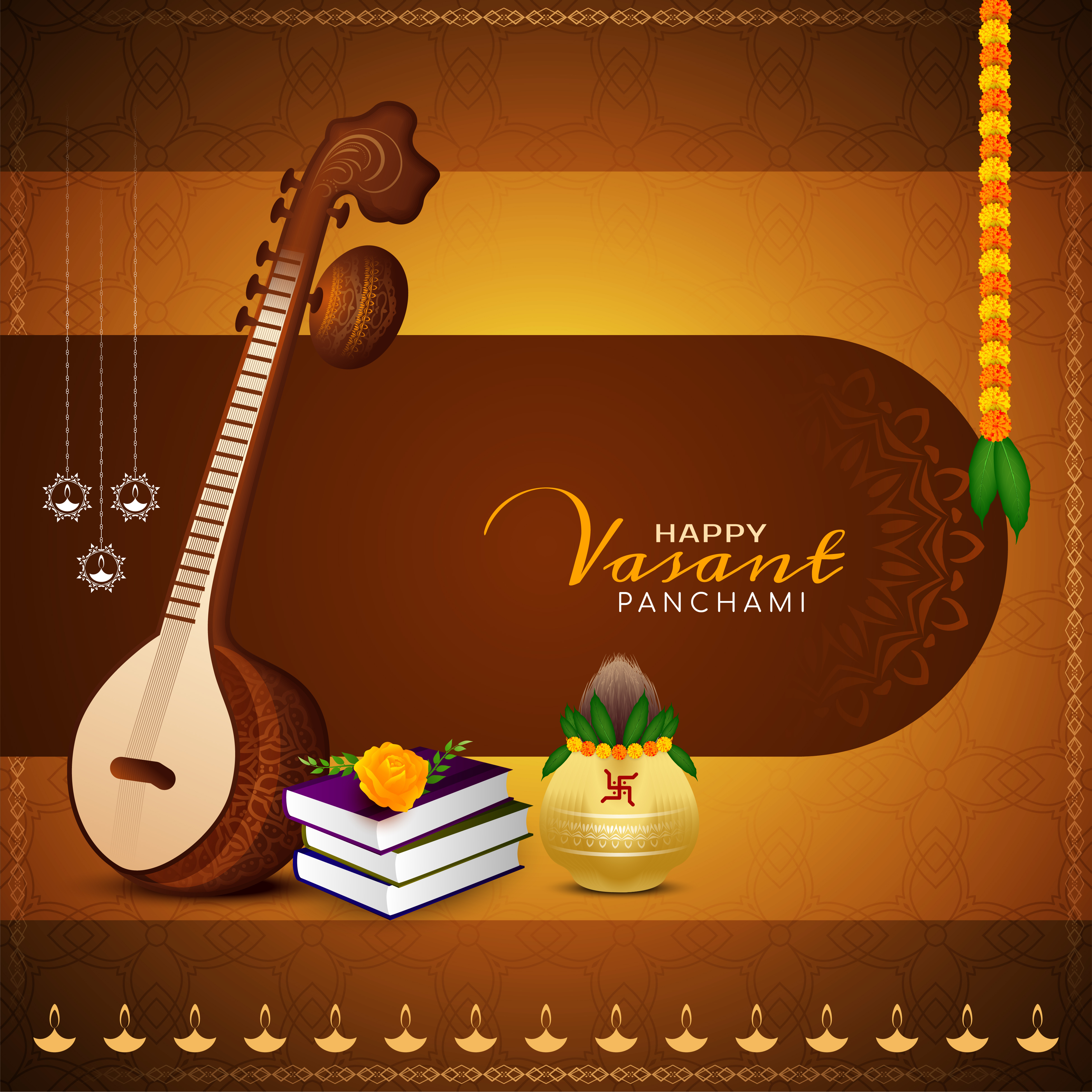
In this complete guide, you will learn what is Vasant Panchami, when is Vasant Panchami in 2026, its religious meaning, Saraswati Puja vidhi, muhurat and timings, importance for students and marriage, drawing ideas, wishes, quotes, and much more—making this the most comprehensive Vasant Panchami 2026 page available online.
Also Read: Netaji Subhash Chandra Bose Jayanti
What is Vasant Panchami? (Meaning Explained)
Vasant Panchami meaning comes from two Sanskrit words:
Vasant – Spring season
Panchami – Fifth day of the lunar fortnight
👉 Vasant Panchami falls on the fifth day (Panchami) of the bright fortnight (Shukla Paksha) of the Magha month as per the Hindu calendar.
Spiritually, this day signifies:
The awakening of nature
The beginning of learning (Vidya Aarambh)
The worship of Saraswati Devi, the embodiment of wisdom and purity
In Hindi, people often ask: “वसंत पंचमी क्यों मनाते हैं?” (Vasant Panchami kyu manate hain?) It is celebrated to seek blessings for knowledge, clarity, education, and creativity.
Vasant Panchami 2026 Date and Time
When is Vasant Panchami in 2026?
Vasant Panchami 2026 Date: Friday, 23 January 2026
2026 Vasant Panchami Day: Friday
Vasant Panchami in 2026 is considered especially auspicious due to weekday alignment.
Vasant Panchami 2026 Date and Time (Muhurat)
Note: Vasant Panchami 2026 timing may slightly vary by location. Always refer to the local Panchang.
Saraswati Puja on Vasant Panchami
Saraswati Puja is the heart of Vasant Panchami celebrations. On this day, devotees worship Goddess Saraswati, who represents:
Wisdom (Vidya)
Speech (Vani)
Music & arts
Learning and clarity
Students, teachers, artists, writers, musicians, and scholars consider this day extremely important.
Saraswati Puja Vidhi on Vasant Panchami
Step-by-Step Saraswati Puja Rituals
Morning Purification
Wake up early during Brahma Muhurat
Take a bath and wear clean clothes (preferably yellow or white)
Puja Setup
Place Saraswati idol or image on a yellow cloth
Keep books, pens, musical instruments near the idol
Offerings
Yellow flowers
Fruits and sweets (Kesari halwa, boondi laddoo)
Rice and turmeric
Mantra Chanting
Chant Vasant Panchami Shlok and Saraswati mantras
Aarti & Pushpanjali
Offer flowers while reciting mantras
Perform Saraswati Aarti
Vidya Aarambh
Children write their first letters
Students avoid studying till the next day (symbolic surrender of ego)
Vasant Panchami Religious Text & Shlok
Saraswati Mantra (Most Popular)
ॐ ऐं ह्रीं क्लीं महासरस्वती देव्यै नमः॥
Saraswati Vandana
या कुन्देन्दु तुषारहार धवला
या शुभ्र वस्त्रावृता…
These Vasant Panchami religious texts are chanted to seek wisdom and clarity.
Vasant Panchami Importance for Students & Education
Vasant Panchami education significance is immense:
Schools organise Saraswati Puja
Books and notebooks are worshipped
Students pray for focus, memory, and success
This is why Vasant Panchami is considered the best day to start education, music, or art.
Vasant Panchami 2026 for Marriage
Yes, Vasant Panchami 2026 for marriage is highly auspicious.
✔ No separate muhurat is required
✔ Considered Abujh Muhurat
✔ Ideal for:
Weddings
Engagements
Griha Pravesh
New business beginnings
Regional Celebrations of Vasant Panchami
Punjab: Kite flying (Vasant Panchami kites)
West Bengal & Odisha: Grand Saraswati Puja
Bihar & Jharkhand: Educational ceremonies
Rajasthan: Yellow attire and decorations
South India: Temple worship and learning rituals
Creative Vasant Panchami Ideas
Vasant Panchami Drawing Ideas
Goddess Saraswati sketch
Children writing alphabet
Yellow flowers & veena
Vasant Panchami Drawing / Poster / PNG
Vasant Panchami drawing
Vasant Panchami poster
Vasant Panchami
Creative Vasant Panchami ads for schools
Vasant Panchami Images
Saraswati Devi images
Yellow-themed festival visuals
Beautiful Happy Vasant Panchami greetings
Vasant Panchami Wishes & Quotes
Vasant Panchami Wishes in English
May Goddess Saraswati bless you with wisdom and success.
Wishing you a Happy Vasant Panchami filled with knowledge and creativity.
Happy Vasant Panchami 2026 Wishes
Happy Vasant Panchami 2026!
May learning and prosperity bloom in your life.
Vasant Panchami Quotes
Knowledge is the greatest wealth – Goddess Saraswati
Happy Vasant Panchami – Cultural Spirit
People greet each other with:
Happy Vasant Panchami
Beautiful Happy Vasant Panchami messages
Yellow clothes and festive sweets
Vasant Panchami Dates (Past & Future)
Vasant Panchami in Hindi (संक्षेप में)
वसंत पंचमी ज्ञान, विद्या और कला की देवी माँ सरस्वती को समर्पित पर्व है। इस दिन विद्यार्थी शिक्षा आरंभ करते हैं और माँ सरस्वती से बुद्धि व सफलता का आशीर्वाद मांगते हैं।
Final Takeaway
Vasant Panchami 2026 is more than a festival—it is a celebration of knowledge, renewal, and spiritual growth. Whether you are a student, devotee, artist, or family, observing Saraswati Puja with devotion invites wisdom, clarity, and success into life.
FAQs on Vasant Panchami 2026 Date: Saraswati Puja Rituals, Muhurat, Significance, Wishes and Meaning
1. What is the significance of Vasant Panchami?
Vasant Panchami marks the arrival of spring and is dedicated to Goddess Saraswati, the deity of knowledge, music, and art. The festival is significant because it symbolizes new beginnings, learning, creativity, and optimism.
2. When is Vasant Panchami celebrated in 2026?
Vasant Panchami 2026 will be celebrated on Friday, 23 January 2026.
3. Why do we worship Goddess Saraswati on Vasant Panchami?
Goddess Saraswati is worshipped on Vasant Panchami as she represents wisdom, learning, music, and the arts. Devotees seek her blessings for academic excellence and creative achievements.
4. Why do we wear yellow clothes on Basant Panchami?
Yellow clothes are worn on Basant Panchami because the color symbolizes brightness, energy, and the flowering mustard fields during spring. It also represents prosperity and is believed to please Goddess Saraswati.
5. What are the common rituals and traditions of Vasant Panchami?
Common rituals include:
- Performing Saraswati Puja with books and musical instruments placed near the idol
- Wearing yellow attire
- Preparing and sharing yellow-colored sweets such as saffron rice or kesar halwa
- Decorating homes and classrooms with yellow flowers and rangolis
- Initiating young children into learning through Vidyarambham
6. What should not be done on Vasant Panchami?
On Vasant Panchami, it is advised to:
- Avoid touching books or educational materials with feet
- Refrain from disrespecting study spaces or idols
- Maintain silence and focus during prayers to honor Goddess Saraswati
- Prevent excessive noise to create a peaceful environment for worship and learning
7. Why is Vasant Panchami important for students?
Vasant Panchami is important for students as it:
- Marks an auspicious day to begin new studies or intellectual pursuits
- Inspires academic success and creativity
- Encourages participation in cultural programs, arts, and competitions organized by schools
8. What traditional foods are prepared on Vasant Panchami?
Popular traditional foods include:
- Sweet saffron rice
- Kesar halwa
- Boondi laddoo
- Other yellow-hued delicacies reflecting the colors of spring and joy of the festival
9. What are the regional differences in celebrating Vasant Panchami?
Vasant Panchami is celebrated differently across India:
- In West Bengal and Assam, it is known as Saraswati Puja with grand decorations
- In Punjab and Haryana, kite flying and blooming mustard fields are prominent
- In North India, temple visits and community feasts are common
- In South India, Vidyarambham and family gatherings are emphasized
10. How can students celebrate Vasant Panchami in 2026?
Students can celebrate by:
- Performing Saraswati Puja at home or school
- Wearing yellow attire and decorating study areas with flowers
- Participating in creative competitions, music, and art events
- Sharing festive foods with friends and neighbors
- Starting a new hobby or learning activity as a tribute to knowledge
11. Why is Vasant Panchami considered important for marriage?
Vasant Panchami is regarded as an auspicious day for marriages because:
- The festival symbolizes renewal, purity, and positive beginnings
- Many believe that ceremonies held on this day bring blessings for harmony and happiness in married life
12. What are some eco-friendly ways to celebrate Vasant Panchami?
Celebrate Vasant Panchami sustainably by:
- Using biodegradable flowers and natural colors for decoration
- Choosing cotton strings for kite flying to protect birds
- Avoiding plastic items and non-eco-friendly materials
- Preparing traditional foods with natural ingredients
13. What is Vasant Panchami?
Vasant Panchami is a Hindu festival marking the arrival of spring and worship of Goddess Saraswati.
14. Is Vasant Panchami good for marriage?
Yes, Vasant Panchami 2026 for marriage is highly auspicious.
15. What is the significance of Saraswati Puja?
Saraswati Puja is performed to seek blessings for knowledge, education, and creativity.
16. Why do people wear yellow on Vasant Panchami?
Yellow symbolizes energy, wisdom, prosperity, and spring harvest.
17. What are good Vasant Panchami drawing ideas?
Goddess Saraswati, books, veena, lotus, and yellow flowers are popular themes.



