



Why Do We Wear Pink for Breast Cancer Awareness Month?
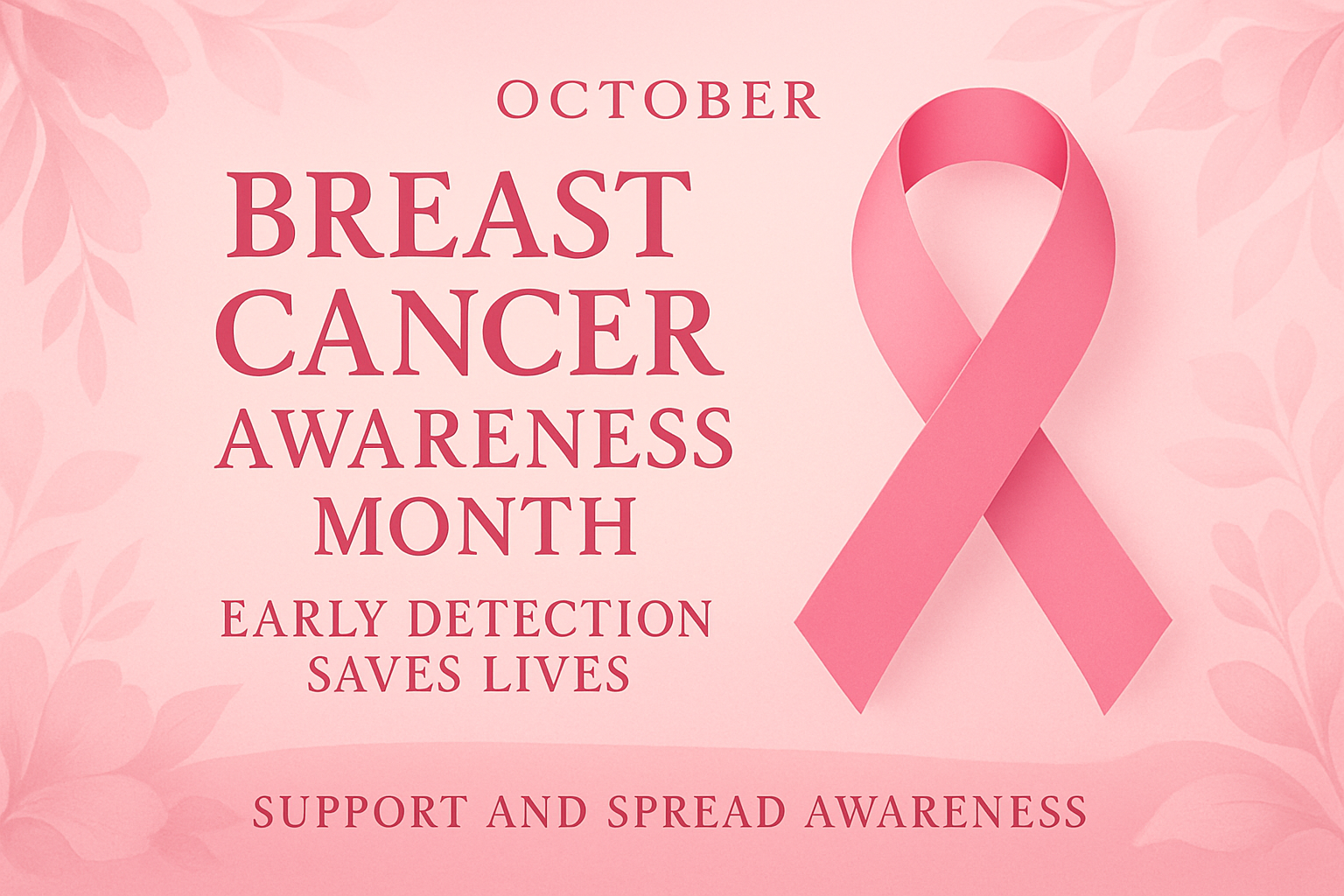 Every October, people across the world observe Breast Cancer Awareness Month to increase understanding about breast cancer, encourage early detection, and extend support to those affected by the disease. Marked by the universal symbol of the pink ribbon, Breast Cancer Awareness Month highlights the importance of awareness, early screening, and research funding in the ongoing effort to reduce the global impact of breast cancer. In 2025, this observance continues to unite survivors, families, students, and communities, reminding everyone of the vital role awareness plays in saving lives and supporting progress in cancer prevention and care.
History and Origin
Breast Cancer Awareness Month was first established in October 1985 as a collaborative initiative between the American Cancer Society and the pharmaceutical division of Imperial Chemical Industries. The campaign aimed to promote mammography as the most effective tool for breast cancer detection at the time. Over the years, international health organizations, such as the World Health Organization (WHO), have embraced October as a global observance to spotlight breast cancer education and advocacy. The pink ribbon, now internationally recognized, first appeared in the early 1990s as a symbol of solidarity and hope for those impacted by breast cancer.
Theme of Breast Cancer Awareness Month 2025
The official theme for Breast Cancer Awareness Month 2025 centers on "Stronger Together: Uniting Voices for Prevention and Support". This theme focuses on the significance of community action, shared stories, and increased access to early detection for all. By encouraging collective advocacy, the campaign calls on individuals, organizations, and entire communities to wear pink, spread awareness, and participate in support and fundraising activities that fuel progress in research, prevention, and accessible care.
How Breast Cancer Awareness Month Is Observed
- Awareness campaigns in schools, colleges, and workplaces that include informational seminars and pink ribbon activities
- Government and NGO initiatives providing free or low-cost screening camps and educational materials
- Online engagement through webinars, #PinkOctober hashtags, downloadable posters, and digital stories sharing survivor journeys
- Public participation in rallies, charity walks or runs, fundraising events, and donation drives supporting breast cancer research
Inspiring Quotes and Slogans
- "Hope is stronger than fear." – Anonymous
- "No one fights alone." – Breast Cancer Awareness Campaign
- "Early detection saves lives." – Cancer Research Advocacy
- "Together, we wear pink for a purpose." – Support Initiatives 2025
- "Strength grows in the moments when you think you can’t go on but you keep going anyway." – Survivor Quote
- "Awareness today, victory tomorrow." – Health Campaign Slogan
- "Support, educate, empower: the pillars of breast cancer awareness." – World Health Organization
Reflect and Participate
- Write a short speech on why Breast Cancer Awareness Month is important today.
- Create a poster or social media post spreading awareness about early screening and support resources.
- Discuss with friends or family members how this month impacts your life or community and ways to get involved.
To learn more about global cancer awareness efforts, see world cancer day 2025 . For tips on prevention and healthy living, refer to cancer prevention tips . Discover empowering words on our inspirational cancer quotes page and explore other major international awareness days in October.
FAQs on Breast Cancer Awareness Month 2025: History, Significance & Ways to Participate
1. What is Breast Cancer Awareness Month?
Breast Cancer Awareness Month is a global health campaign observed every October to raise awareness about breast cancer, promote early detection, and show support for those affected by the disease.
• Runs annually from October 1–31
• Uses the pink ribbon as the international symbol of solidarity
• Encourages education about prevention, screening, and support
2. When is Breast Cancer Awareness Month 2025 observed?
Breast Cancer Awareness Month 2025 is observed from October 1 to October 31, 2025. All awareness events, campaigns, and related activities take place during this period worldwide.
3. What is the official breast cancer awareness day?
The official Breast Cancer Awareness Day is recognized as October 19 every year in many countries. However, the entire month of October is dedicated to raising awareness and supporting breast cancer initiatives globally.
4. Why do we wear pink for breast cancer awareness?
Pink is worn for breast cancer awareness as it symbolizes hope, support, and solidarity.
• The pink ribbon stands for compassion, care, and encouragement
• Wearing or displaying pink unites people in support of breast cancer research and education
• Pink events and apparel highlight community involvement during Awareness Month
5. What is the symbolism of the pink ribbon?
The pink ribbon is a global symbol of breast cancer awareness, representing hope, unity, and the fight against breast cancer.
• It brings visibility to the cause
• Encourages open conversations about prevention and early detection
• Honors survivors and remembers those lost to the disease
6. What is the theme of Breast Cancer Awareness Month 2025?
The theme for Breast Cancer Awareness Month 2025 is "Stronger Together: Uniting Voices for Prevention and Support". This theme emphasizes the importance of community action, shared stories, and making early detection and support resources accessible to all.
7. How did Breast Cancer Awareness Month begin?
Breast Cancer Awareness Month began in October 1985 as a collaboration between the American Cancer Society and other health organizations. The campaign started to increase public understanding about breast cancer and promote the value of early detection through screening programs.
8. Who started Breast Cancer Awareness Month?
Breast Cancer Awareness Month was initiated by the American Cancer Society in partnership with Imperial Chemical Industries (now part of AstraZeneca) in 1985. Their goal was to educate the public and encourage women to have regular mammograms for early detection.
9. How can I get involved in Breast Cancer Awareness Month activities?
You can participate in Breast Cancer Awareness Month by:
• Wearing pink or pink ribbons to show support
• Organizing or joining awareness campaigns and charity walks
• Creating and sharing posters or social media messages
• Attending educational events and seminars
• Donating to breast cancer research organizations
• Supporting survivor stories and patient support groups
10. Where can I find downloadable Breast Cancer Awareness posters?
You can find downloadable Breast Cancer Awareness posters and ribbons on Vedantu’s awareness resource sections, event pages, or official health organization websites. These resources are free for students and educators to use for campaigns and school activities.
11. What are some inspiring breast cancer survivor quotes?
Here are a few inspiring breast cancer survivor quotes for awareness campaigns:
• "Hope is stronger than fear."
• "No one fights alone."
• "Early detection saves lives."
• "Together, we wear pink for a purpose."
• "Strength grows in the moments when you keep going despite challenges."
12. What are some typical Breast Cancer Awareness Month activities?
Common activities during Breast Cancer Awareness Month include:
• Pink ribbon drives and poster-making competitions
• Educational webinars and awareness presentations
• Awareness marches, charity walks, or runs
• Social media campaigns to spread information
• Fundraising events for research and patient support



