



Why is World Science Day Celebrated and How Can You Join the Celebration?
World Science Day for Peace and Development is observed every year on November 10. This international awareness day was established by UNESCO to highlight the essential role science plays in society and to promote wider public engagement with scientific issues. In 2025, the focus is on encouraging everyone especially students to “Unleash Your Inner Scientist”. This theme invites us all to explore science through curiosity, discovery, and hands-on learning, fostering a culture of understanding and innovation for a more peaceful and sustainable world.
History and Origin of World Science Day
World Science Day for Peace and Development began in 2001, following the World Conference on Science organized by UNESCO and the International Council for Science in Budapest (1999). The main goal was to bridge the gap between science and society, ensuring that scientific knowledge is accessible and responsible, and that it contributes to peace, sustainable development, and the well-being of communities worldwide.
Each year, World Science Day highlights the crucial role that science and scientists play in addressing major global challenges, such as environmental threats, health crises, and technological changes. The day also recognizes efforts to combat misinformation and strengthen public trust in science.
World Science Day 2025 Theme: “Unleash Your Inner Scientist”
The official theme for World Science Day 2025 is “Unleash Your Inner Scientist”. This theme encourages everyone, especially students and educators, to:
- Embrace curiosity and explore the wonders of science in daily life.
- Participate in hands-on experiments, activities, and observations.
- Promote scientific thinking as a way to solve problems and build peace.
- Include people of all backgrounds and abilities in scientific learning.

Significance and Importance
World Science Day is more than a date it's a global reminder that science is fundamental to the progress, peace, and prosperity of humanity. By raising awareness about scientific contributions and innovations, this day helps everyone see how research impacts areas such as health, environment, disaster reduction, and education. It also inspires students to pursue science, recognize the role of scientists, and encourages teamwork between communities and researchers.
The 2025 theme underscores that scientific discovery is for everyone you do not need a lab coat to investigate, experiment, and learn about the world around you.
How to Celebrate: Activities and Engagement Ideas
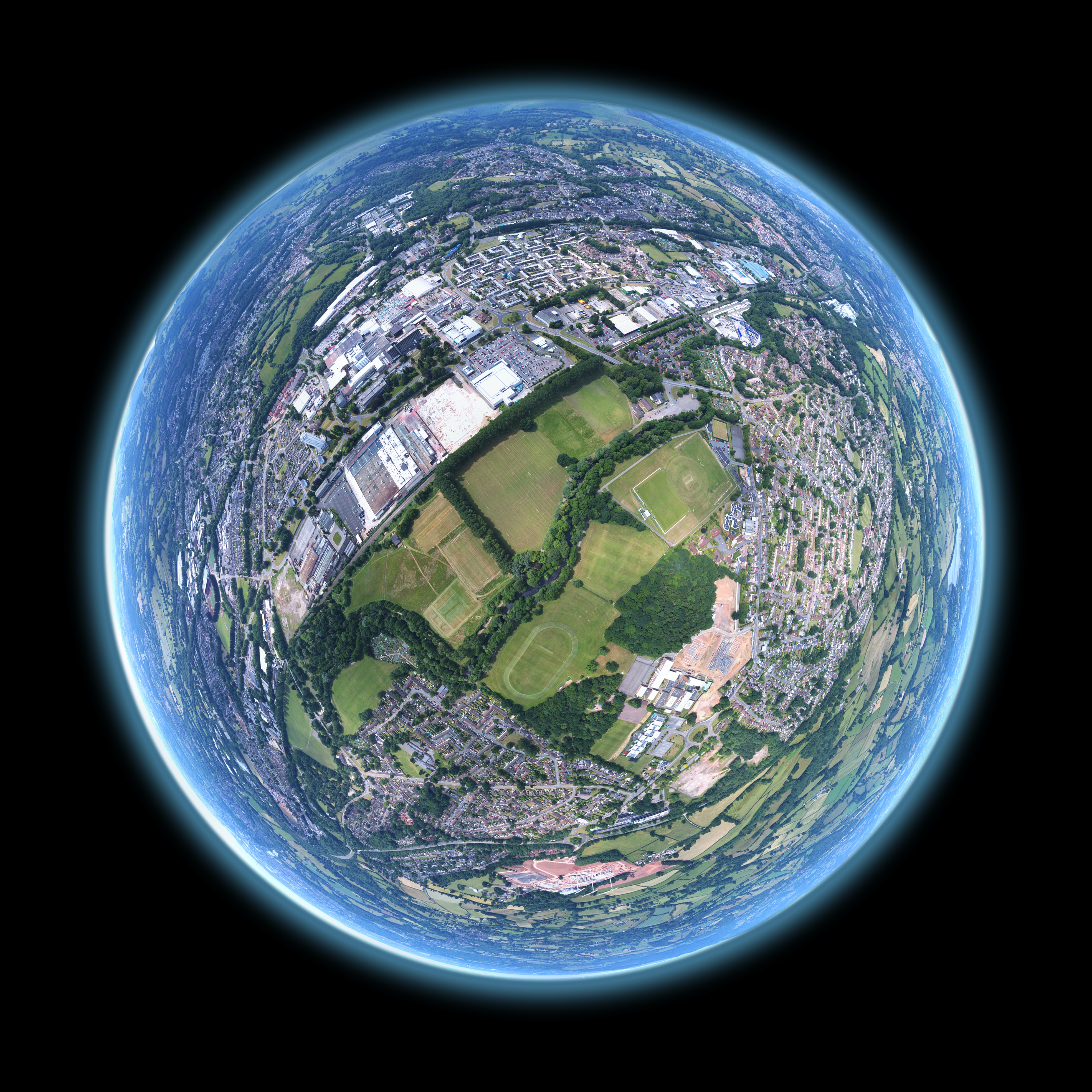
Here are some creative and meaningful ways to take part in World Science Day 2025:
- Experiment at Home: Try fun science activities like making a DIY volcano, growing crystals, or testing water density with household items. Share findings and photos with friends or online science groups.
- Host a Science Workshop: Organize hands-on workshops at school or in your community where students can conduct safe experiments and learn the basics of scientific inquiry.
- Attend or Organize Science Fairs: Set up a science exhibition to showcase student projects, inventions, and research. Invite local scientists or alumni for demonstrations and talks.
- Go on a Nature Walk: Explore biodiversity in your neighborhood—identify plants, animals, and insects, and discuss their importance in local ecosystems.
- Join Debates and Discussions: Arrange group debates on important scientific topics such as renewable energy, climate change, or the ethics of artificial intelligence.
- Create Science Art: Design posters, infographics, or creative diagrams about your favorite discoveries. Use your imagination to combine art and science!
- Watch Documentaries: Choose educational documentaries about famous scientists, natural wonders, or ongoing research to spark further curiosity.
- Share Science Facts: Use social media to post interesting science trivia or "Did you know?" facts to raise awareness among your peers.
Famous Quotes to Inspire Your Inner Scientist
- “Science knows no country, because knowledge belongs to humanity, and is the torch which illuminates the world.” – Louis Pasteur
- “The important thing is not to stop questioning. Curiosity has its own reason for existence.” – Albert Einstein
- “Science is a way of thinking much more than it is a body of knowledge.” – Carl Sagan
- “Somewhere, something incredible is waiting to be known.” – Carl Sagan
- “The good thing about science is that it's true whether or not you believe in it.” – Neil deGrasse Tyson
- “Science is the great antidote to the poison of enthusiasm and superstition.” – Adam Smith
- “The science of today is the technology of tomorrow.” – Edward Teller
Key Facts: World Science Day at a Glance
| Fact | Details |
|---|---|
| Date | November 10, 2025 |
| Founded by | UNESCO (2001) |
| 2025 Theme | Unleash Your Inner Scientist |
| Purpose | Promote science for peace, development, and inclusivity |
Explore Related Celebrations
World Science Day for Peace and Development 2025 is a chance for every student, educator, and enthusiast to embrace curiosity, try new experiments, and see how science shapes the world we live in. By participating in activities, sharing knowledge, and supporting inclusive science education, you help foster a more informed, inspired and peaceful society. Remember, every great scientist started with a simple question. What will you discover next? Happy World Science Day!
FAQs on World Science Day 2025: Unleash Your Inner Scientist
1. What is the theme of World Science Day 2025?
The official theme for World Science Day 2025 is "Unleash Your Inner Scientist." This theme encourages everyone to embrace curiosity, participate in hands-on science activities, and recognize that scientific discovery is accessible to all. It aims to inspire students, educators, and communities to explore, experiment, and innovate for a more sustainable and peaceful world.
2. Why is November 10 observed as World Science Day?
World Science Day for Peace and Development is celebrated on November 10 every year to recognize the vital role of science in society and to promote global public engagement with scientific issues. The date marks the anniversary of its establishment by UNESCO in 2001, following recommendations from the 1999 World Conference on Science, to encourage inclusive scientific progress and its contributions to peace and development worldwide.
3. Who started World Science Day and when?
World Science Day for Peace and Development was established by UNESCO in 2001, after the World Conference on Science held in Budapest in 1999. UNESCO initiated this observance to bridge the gap between science and society, promote responsible and inclusive science, and foster cooperation for sustainable progress.
4. What are some ways to celebrate World Science Day in schools?
Schools can celebrate World Science Day with engaging science-themed activities, such as:
- Organizing science fairs and exhibitions to showcase student projects
- Hosting interactive workshops and hands-on experiments
- Inviting guest scientists or educators for talks
- Conducting quizzes, poster competitions, and debates on scientific topics
- Arranging educational nature walks or field visits
5. What is the significance of “Unleash Your Inner Scientist”?
“Unleash Your Inner Scientist” emphasizes that scientific thinking and exploration are for everyone, not just professional scientists. The phrase inspires individuals of all backgrounds to ask questions, stay curious, and engage in discovery. The 2025 theme encourages participation in experiments, critical thinking, and creative problem solving, supporting inclusive scientific literacy and innovation.
6. Can you share some World Science Day quotes?
Here are some inspiring science quotes for World Science Day:
- “Science knows no country, because knowledge belongs to humanity, and is the torch which illuminates the world.” – Louis Pasteur
- “The important thing is not to stop questioning. Curiosity has its own reason for existence.” – Albert Einstein
- “Science is a way of thinking much more than it is a body of knowledge.” – Carl Sagan
- “The good thing about science is that it's true whether or not you believe in it.” – Neil deGrasse Tyson
- “The science of today is the technology of tomorrow.” – Edward Teller
7. Where can I download World Science Day posters?
You can download free World Science Day posters, slogans, and banner packs from the official Vedantu blog page on World Science Day. Simply visit the dedicated section for downloadable resources to access creative materials for schools and events.
8. How does World Science Day promote peace and development?
World Science Day promotes peace and development by raising awareness about the role of science in addressing global challenges—such as health, environmental sustainability, and technological advancement. By fostering scientific collaborations and public engagement, the day helps build informed societies, encourages responsible innovation, and supports efforts toward a more equitable and peaceful world.
9. What are some fun science activities to try at home for World Science Day?
Here are some simple and fun science experiments for World Science Day:
- Magic Milk Experiment: Mix food coloring and dish soap in milk to create swirling patterns.
- DIY Rainbow in a Jar: Layer liquids of different densities to form a rainbow.
- Balloon Rocket: Use a balloon and string to demonstrate Newton’s third law of motion.
10. Why is science important in our daily lives?
Science is important in our daily lives because it helps us understand how the world works, enables technological progress, and solves real-life problems. From health and communication to transportation and the environment, scientific advances improve quality of life and inspire continuous learning and discovery.
11. What is the history behind World Science Day for Peace and Development?
World Science Day was first proposed after the 1999 World Conference on Science in Budapest, organized by UNESCO and the International Council for Science. Established in 2001, its aim is to connect science more closely to everyday life, highlight scientific contributions to peace and development, and encourage the responsible use of scientific knowledge worldwide.
12. What is the objective of celebrating World Science Day?
The main objectives of World Science Day are to:
- Promote public awareness of the benefits and impact of science on society
- Encourage scientific education and literacy
- Foster inclusive participation in scientific activities
- Highlight science’s role in solving global challenges and promoting peace



