



Savitribai Phule Jayanti History, Customs, and Significance for Students
Savitribai Phule Jayanti (2026)
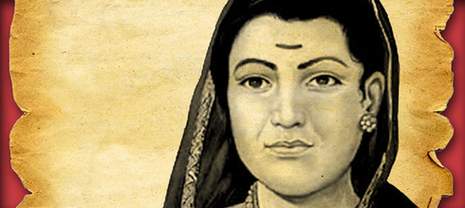
Savitribai Phule Jayanti is observed annually on January 3rd to honour the birth anniversary of Savitribai Phule, India's pioneering female educator and social reformer. This occasion highlights her profound impact on gender equality and education in India.
What and When: Savitribai Phule Jayanti in 2026
Building on our understanding of Savitribai Phule's influence, let's look at when and why her Jayanti is celebrated in 2026. Savitribai Phule Jayanti falls on January 3rd, marking the 195th birth anniversary of this remarkable leader. Schools, colleges, and civic societies across India commemorate this day with tributes and educational events.
History and Cultural Context of Savitribai Phule Jayanti
After covering when Savitribai Phule Jayanti occurs, it's important to understand its historical roots and the context surrounding it. Savitribai Phule was born in 1831 in Naigaon, Maharashtra. Alongside her husband Jyotirao Phule, she broke societal barriers to become India's first female teacher and a tireless advocate for girls' education. Her life symbolizes the early struggle for women's rights, Dalit empowerment, and social justice in colonial India.
Significance of Jayanti for Students and Society
Now that the history is clear, we see how Savitribai Phule Jayanti has a special significance for students and today's society. The day is an occasion to reflect on the importance of equal educational opportunities for all, regardless of gender or social background. Her message encourages students to challenge discrimination, strive for knowledge, and contribute positively to society.
Customs, Rituals, and Practices of Savitribai Phule Jayanti
With the significance outlined, let's examine how Savitribai Phule Jayanti is observed and the meaning behind its main practices. The day is marked by paying floral tribute to her portraits or statues, especially in educational institutions and public spaces. Common rituals and customs include:
- Garlanding ceremonies: Purpose—Expressing respect for her contribution; usually accompanied by short speeches and poetry recitations.
- Essay & speech competitions: Purpose—Deepening understanding of her legacy; etiquette demands inclusivity of all students.
- Community outreach programs: Activities like awareness drives and campaigns for girls' education; etiquette includes welcoming all community members.
- Debates & seminars: Held on themes of social reform and women's empowerment to encourage student participation and critical thinking.
Regional Celebrations Across India
Understanding the common rituals leads us to see how Jayanti observances vary regionally. While Maharashtra, Savitribai Phule's home state, holds the most elaborate celebrations, her Jayanti is marked in different ways across India:
- In Maharashtra: School-wide programs, public rallies, and official government functions. Sometimes called "Kranti Jyoti Din".
- In Karnataka and Andhra Pradesh: Educational talks in universities; focus on Savitribai’s role in the larger Indian reform movement.
- In North India: Observances mostly by progressive student unions or women's rights organisations; awareness events held in colleges.
- Dalit and Bahujan Communities nationwide: Cultural events, storytelling, and seminar series, amplifying messages of social justice.
Tips & Etiquette for Savitribai Phule Jayanti (Eco-friendly, Safety, Inclusivity)
After exploring regional celebrations, it's important to note the best ways to participate thoughtfully and responsibly. Consider these tips for a memorable, safe, and eco-friendly Jayanti:
- Use digital posters or local flowers instead of plastic garlands when honouring her image.
- Promote inclusivity—invite students from all backgrounds to participate in events and discussions.
- If planning a parade or gathering, follow local safety guidelines and maintain respectful behaviour.
- Respect study schedules—keep activities concise to balance academic responsibilities.
- Advocate for eco-conscious celebrations by reducing paper usage and minimising waste.
How to Participate in Savitribai Phule Jayanti (2026)
To conclude your understanding of proper etiquette, here's how you can actively and respectfully take part in Savitribai Phule Jayanti this year:
- Attend or organise Jayanti events at your school or university.
- Write essays, poems, or create artwork reflecting Savitribai Phule's contributions.
- Participate in group discussions or webinars on women's education or social reform.
- Volunteer for campaigns supporting girls' education or sponsor educational materials.
- Share stories, quotes, or awareness posts about Savitribai Phule on social media to inspire peers.
Quick Recap / Key Takeaways
Having learned about participation, let's briefly recap the essence of Savitribai Phule Jayanti for 2026. The day is much more than a remembrance—it is a call to action for equality and education. Emulating her courage and dedication, students can create positive change in their own communities with respect, inclusion, and a commitment to learning.
FAQs on What is Savitribai Phule Jayanti and Why Is It Celebrated in 2026?
1. When is Savitribai Phule Jayanti celebrated?
Savitribai Phule Jayanti is celebrated every year on January 3rd in India to honour the birth anniversary of Savitribai Phule, a pioneering female educator and social reformer.
2. Who was Savitribai Phule?
Savitribai Phule was India's first female teacher and a leading social reformer.
Key facts:
- Born in 1831, in Naigaon, Maharashtra
- Worked for women’s education and gender equality
- Advocated for Dalit and marginalized communities
3. What is the significance of 3rd January in India?
3rd January is celebrated as Savitribai Phule Jayanti across India. It recognizes her contributions to education, women’s rights, and social justice. Schools, colleges, and communities organize events and activities to pay tribute to her legacy.
4. What was the message of Savitribai Phule?
Savitribai Phule's core message was to promote education for all and fight against social discrimination.
Her legacy inspires:
- Empowering girls and marginalized communities
- Promoting equality and justice
- Encouraging critical thinking and knowledge
5. How is Savitribai Phule Jayanti celebrated in schools and colleges?
Educational institutions observe Savitribai Phule Jayanti with:
- Floral tributes and garlanding ceremonies
- Essay and speech competitions on her life and work
- Debates, seminars, and awareness drives
- Community outreach promoting education and equality
6. Why is Savitribai Phule called the first female teacher of India?
Savitribai Phule is considered the first female teacher of India because she started the first girls' school in Pune in 1848 alongside her husband, Jyotirao Phule, breaking barriers for women's education.
7. What are some customs and rituals associated with Savitribai Phule Jayanti?
Common customs and rituals during Savitribai Phule Jayanti include:
- Garlanding her portraits and statues
- Hosting poetry and cultural events
- Engaging in social awareness programs
- Organizing inclusive educational activities
8. How does Savitribai Phule Jayanti promote gender equality and education today?
The Jayanti inspires students and society to:
- Value equal opportunities for all genders
- Challenge discrimination in education
- Participate in social reform and awareness initiatives
9. Can you suggest eco-friendly ways to celebrate Savitribai Phule Jayanti?
To celebrate responsibly and sustainably:
- Use local flowers or digital posters instead of plastic decorations
- Minimize paper usage and encourage recycling
- Organize virtual events or discussions
- Promote inclusive participation in all activities
10. What is the role of Jyotirao Phule in Savitribai Phule’s life?
Jyotirao Phule was Savitribai’s husband and a prominent social reformer. He supported and worked with her to establish the first girls' school, promote education, and fight for equality and justice in Indian society.
11. What is Kranti Jyoti Din?
Kranti Jyoti Din is another name for Savitribai Phule Jayanti used mainly in Maharashtra. It means 'Light of Revolution Day', celebrating her role in igniting the movement for women’s education and empowerment.
12. How can students participate in Savitribai Phule Jayanti celebrations?
Students can take part by:
- Joining essay, speech, or art competitions
- Attending seminars and group discussions on women’s education
- Volunteering for campaigns supporting girls’ education
- Sharing stories or quotes about Savitribai Phule’s legacy on social media platforms



