



When Is Eid Milad un Nabi in 2026?
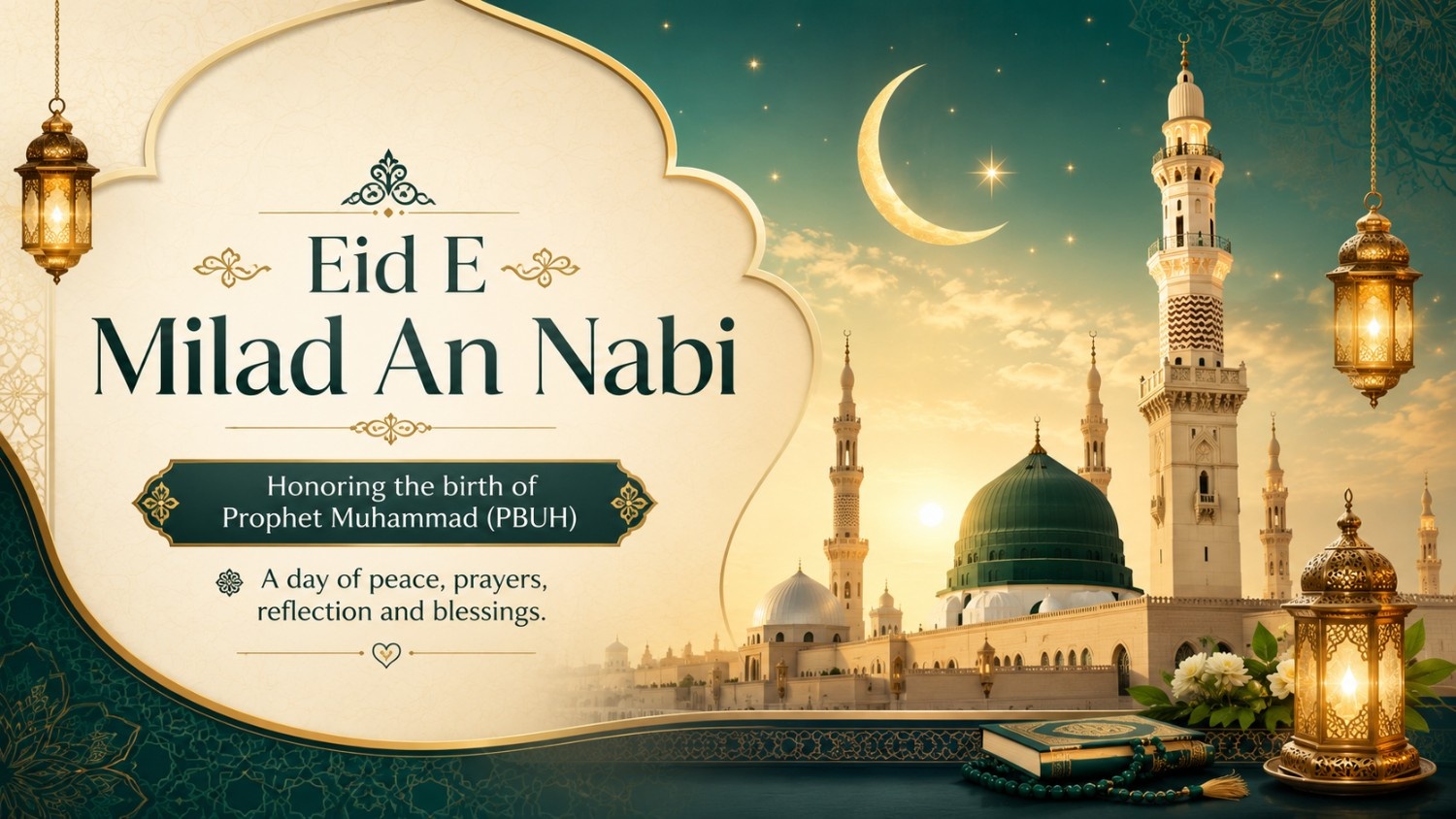
Eid E Milad Un Nabi 2026 is the observance associated with the birth of Prophet Muhammad. It is marked by many Muslims through prayers, recitations, religious gatherings, charity, and remembrance of the Prophet’s teachings, compassion, and character. For 2026, the observance is generally expected to fall on 12 Rabi al-Awwal 1448 AH, but the corresponding Gregorian date may vary by country, moon sighting, or local religious authority.
This day matters because it is understood by many communities as a time for reflection on the Prophet’s life and moral example. At the same time, observance is not uniform across the Muslim world, and some Muslims choose not to celebrate it. That diversity of practice is an important part of understanding Eid-e-Milad, also known as Mawlid al-Nabi or Eid Milad un Nabi.
When Is Eid Milad un Nabi in 2026?
Eid Milad un Nabi in 2026 is expected to be observed on 12 Rabi al-Awwal 1448 AH. Because the Islamic calendar is lunar, the Gregorian date can differ from one place to another. Communities often follow local moon sighting or officially accepted regional calendars, so the date should always be confirmed locally before publication or observance planning.
| 2026 Date Snapshot | Islamic Date | Calendar Type |
|---|---|---|
| Expected observance in 2026 | 12 Rabi al-Awwal 1448 AH | Lunar Islamic calendar; local variation possible |
What Is Eid Milad un Nabi?
Eid Milad un Nabi is an observance that commemorates the birth of Prophet Muhammad. In cultural and religious practice, it may include recitation of devotional poetry, remembrance gatherings, talks on the Prophet’s life, community meals, and charitable acts. The meaning attached to the day is usually connected to love, respect, remembrance, and learning from the Prophet’s conduct.
The name is written in several forms, including Eid E Milad Un Nabi, Eid-e-Milad, Milad un Nabi, and Mawlid al-Nabi. These terms refer to the same broad observance, though actual practices can differ by region, language, and school of thought.
Why Is Eid Milad un Nabi Celebrated?
Many Muslims observe this day to remember the birth of Prophet Muhammad and reflect on his teachings, mercy, character, and example. In that sense, why Eid Milad un Nabi is celebrated is linked less to festivity alone and more to remembrance, gratitude, and moral reflection. For many families and communities, it becomes an occasion to revisit lessons from the Prophet’s life and to express care for others through prayer and charity.
This meaning is often educational as well as spiritual. Sermons and gatherings may focus on values such as kindness, honesty, compassion, justice, patience, and service to society. That is why the day is often seen as both a personal and community-centered observance.
History of Eid E Milad Un Nabi
The history of Eid E Milad Un Nabi refers to the historical development of Mawlid observance over time. The birth of Prophet Muhammad belongs to early Islamic history, but formal public observances developed later in different regions. Over time, the practice spread and took different cultural forms, including public recitations, religious gatherings, and community events.
As a matter of documented history, the observance did not take a single uniform form across all Muslim societies. Instead, it evolved differently depending on local traditions, language, and religious interpretation. That is why any account of Eid e Milad un Nabi history should avoid treating one regional custom as universal.
A Simple Historical Understanding
A balanced way to understand the observance is to separate core ideas from later customs.
- The core remembrance is linked to the birth of Prophet Muhammad.
- Public observances developed historically in different Muslim societies over time.
- Customs such as gatherings, recitations, and processions are popular in some places but not everywhere.
- Religious opinion about observing the day is not identical across all Muslim communities.
Significance of Eid Milad un Nabi
The significance of Eid Milad un Nabi lies in remembrance of a central figure in Islam and the values associated with his life. For many observers, the day becomes a time to renew attention to ethical conduct, compassion for others, and respectful community life. It also creates space for intergenerational learning, as elders, teachers, and scholars may explain stories and teachings connected with the Prophet’s example.
Its importance is often understood through a few key ideas.
- Reflection on the Prophet’s life, character, and teachings.
- Encouragement of charity, goodwill, and community support.
- Religious gatherings centered on recitation, remembrance, and learning.
- A reminder that observance can be both spiritual and cultural, depending on community practice.
How Is Eid Milad un Nabi Observed?
How Eid Milad un Nabi is celebrated varies widely. In many places, people attend prayers or religious gatherings, listen to speeches on the Prophet’s life, recite praises, distribute food, and give charity. In some regions, there may also be public processions or community decorations, while in others the observance remains quiet and home-centered.
Common forms of observance may include:
- Special prayers or visits to mosques.
- Recitation of religious texts, poetry, or praises related to the Prophet.
- Lectures and sermons on the Prophet’s teachings and character.
- Acts of charity such as sharing food or helping people in need.
- Community gatherings with remembrance and reflection.
- Regional customs such as public processions, where locally practiced.
Do All Muslims Celebrate Eid Milad un Nabi?
No, not all Muslims celebrate Eid Milad un Nabi in the same way, and some do not celebrate it at all. This difference comes from diverse religious interpretations, legal opinions, community traditions, and regional histories. A respectful educational understanding should therefore recognize both those who observe the day and those who choose not to.
This diversity is one of the most important facts to remember when discussing the topic. It prevents oversimplification and helps readers understand that Islamic practice is not identical in every country or school of thought.
Student-Friendly Ways to Learn About the Day
Students can engage with the topic in thoughtful and educational ways.
- Create a short timeline showing the meaning of Mawlid and its later historical development.
- Write a reflection on values such as kindness, honesty, and compassion associated with the Prophet’s example.
- Compare how religious observances can vary across countries and communities.
- Prepare a respectful classroom presentation on Islamic festivals and commemorations.
- Make greeting cards with simple, respectful messages in English or regional languages.
- Read broader festival-awareness articles such as Significance of Ramadan, Muharram celebration, and other cultural topics on the Vedantu blog.
Milad un Nabi Wishes and Messages
Many readers also look for Milad un Nabi wishes to share with family and friends. The best messages are respectful, simple, and sensitive to the fact that observance differs among communities. Keeping greetings warm and thoughtful is usually the most appropriate approach.
Here are some respectful wishes in English:
- Wishing you peace, kindness, and reflection on Eid Milad un Nabi.
- May this day inspire compassion, gratitude, and goodness in our lives.
- Warm wishes on Eid-e-Milad. May your day be filled with peace and remembrance.
- Sending respectful wishes to you and your family on Milad un Nabi.
- May this observance bring reflection, harmony, and goodwill to all.
A Quick Comparison of Practice
| Aspect | What Is Commonly Seen | Important Note |
|---|---|---|
| Date | Linked to 12 Rabi al-Awwal | Gregorian observance may vary locally |
| Gatherings | Prayers, recitations, sermons | Not universal in form or scale |
| Public customs | Processions or decorations in some places | Regional custom, not a universal requirement |
| Religious opinion | Many observe the day | Some Muslims do not celebrate it |
If you enjoy reading about festivals and commemorative days in a broader cultural context, you may also explore topics such as Baisakhi festival and Eid-e-Milad-an-Nabi on Vedantu. These articles help build general awareness about how different observances are understood and marked.
Conclusion: Eid E Milad Un Nabi 2026 is best understood as a respectful observance connected with the birth of Prophet Muhammad and the remembrance of his teachings and character. Its date follows the Islamic lunar calendar, and its observance differs across countries and communities. For readers, students, and families, the most meaningful approach is to learn about its history, significance, and diversity of practice with care, accuracy, and respect.
FAQs on Eid E Milad An Nabi 2026: Meaning, Celebrations and Wishes
1. What is Eid E Milad Un Nabi?
Eid E Milad Un Nabi is an observance associated with the birth of Prophet Muhammad. Also called Mawlid al-Nabi, it is observed by many Muslims through prayers, religious recitations, charity, community gatherings, and reflection on the Prophet’s life, teachings, and character.
2. When is Eid Milad un Nabi in 2026?
Eid Milad un Nabi 2026 is expected around 25 or 26 August 2026, corresponding to 12 Rabi al-Awwal 1448 AH. The exact Gregorian date may vary because Islamic dates depend on the lunar calendar, local moon sighting, and announcements by regional religious authorities.
3. Why is Eid Milad un Nabi celebrated?
Eid Milad un Nabi is celebrated by many Muslims to remember the birth, life, and teachings of Prophet Muhammad. The observance commonly encourages reflection on values such as:
- Compassion and kindness towards others
- Honesty, patience, and justice
- Charity and service to people in need
- Peace, gratitude, and responsible conduct
4. What is the significance of Eid Milad un Nabi?
The significance of Eid Milad un Nabi lies in remembering Prophet Muhammad’s moral example and learning from his teachings. For observers, the day is an opportunity for prayer, gratitude, religious learning, charity, and renewed commitment to compassion, justice, humility, and community welfare.
5. What is the history of Eid E Milad Un Nabi?
The history of Eid E Milad Un Nabi developed gradually after the early Islamic period. Although the observance is connected with the birth of Prophet Muhammad, organised public Mawlid gatherings emerged later and took different forms across Muslim societies. These included devotional recitations, sermons, community meals, charitable activities, and, in some regions, processions.
6. How is Eid Milad un Nabi observed?
Eid Milad un Nabi is observed differently across countries and communities. Common practices may include:
- Attending prayers and religious gatherings
- Listening to sermons about the Prophet’s life and teachings
- Reciting devotional poetry, praises, or religious texts
- Giving food, donations, or other charity
- Holding community meals or locally recognised processions
7. Do all Muslims celebrate Eid Milad un Nabi?
No, not all Muslims celebrate Eid Milad un Nabi. Many communities observe it through remembrance, prayer, and charity, while others do not mark it as a religious celebration. These differences arise from varying religious interpretations, schools of thought, regional histories, and cultural traditions.
8. What are the other names of Eid E Milad Un Nabi?
Eid E Milad Un Nabi is also known as Mawlid al-Nabi, Eid-e-Milad, Milad un Nabi, and Mawlid. The spellings vary by language and region, but they generally refer to the observance connected with the birth of Prophet Muhammad.
9. Is Eid Milad un Nabi a public holiday in India?
Eid Milad un Nabi is generally listed as a gazetted holiday in India, although the observed date and local arrangements can vary by state and moon sighting. Students, families, and institutions should confirm the final 2026 date through the official government or local holiday notification.
10. What are some respectful Milad un Nabi wishes?
Milad un Nabi wishes should be warm, respectful, and mindful that observance differs among Muslim communities. Suitable messages include:
- Wishing you peace, kindness, and reflection on Eid Milad un Nabi.
- May this day inspire compassion, gratitude, and goodwill.
- Warm wishes to you and your family on Milad un Nabi.
- May the Prophet’s example inspire peace, honesty, and care for others.



