



How Afterschool Learning Programs Help Students Succeed Academically
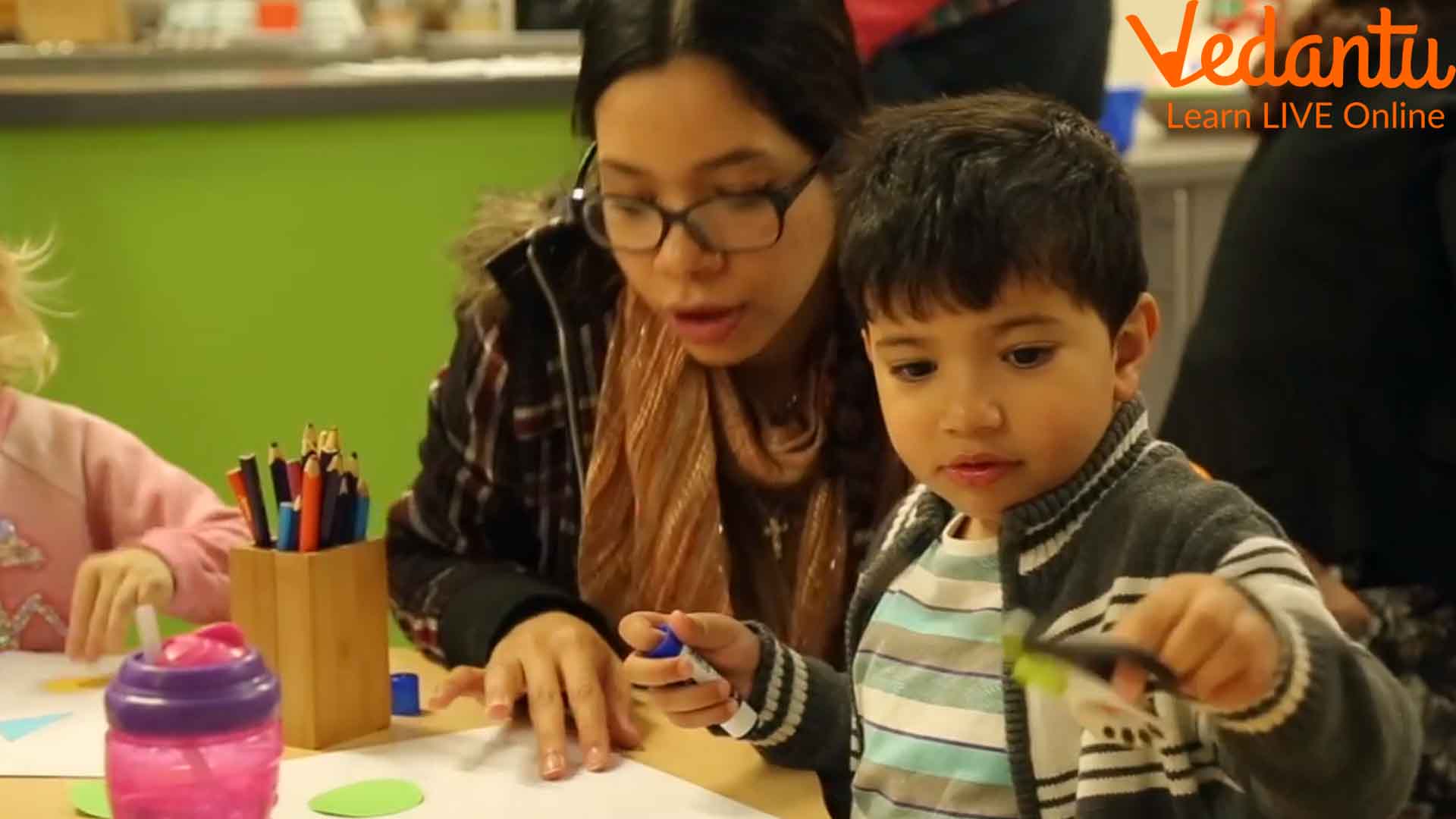
A child may understand an idea in class but need another explanation, a practical activity or time to practise before it feels clear. The unique power of afterschool learning lies in creating that extra space—without simply extending the school day. Well-chosen activities can support academic understanding, confidence, friendships and interests. The important decision is not how many classes to add, but which experience meets the child’s needs while protecting rest, play and family time.
Get the Expert Online Tuition for Grades 1-12 Find the Best Home Tutors Near You
What Makes Afterschool Learning Different?
Afterschool learning includes purposeful activities outside regular school hours, such as supported homework, reading groups, tuition, science projects, sport, music and art. It can happen at school, in a community setting, online or at home. A paid programme is one option, not a requirement.
Its distinctive value is the room to change the pace and approach. A student can revisit a confusing concept, explore an interest beyond the textbook or practise with peers towards a shared goal. These opportunities work best when children have some choice, receive useful feedback and feel comfortable making mistakes.
How Afterschool Learning Can Benefit Children
Stronger Understanding, Not Just Completed Homework
Good academic support helps a child understand the method rather than copy an answer. For example, a student struggling with fractions might first divide paper shapes into equal parts, then connect those parts to written calculations. Moving from a practical example to independent practice can make the idea easier to use later.
A useful routine is to let the student attempt a task, identify the exact point of confusion, offer a hint and then ask them to solve a similar task independently. Completing more questions is less useful than understanding why an answer works.
Confidence Built Through Manageable Challenges
Confidence can grow when children notice their own progress. Reading a paragraph aloud, explaining one step of a solution or finishing a small project gives them a specific achievement to recognise. Adults can reinforce this by saying, “You checked your mistake and corrected it,” rather than labelling the child as naturally clever or weak.
A supportive environment also makes asking for help less intimidating. This benefit depends on how adults and peers respond to uncertainty; repeated comparisons, public criticism or excessive pressure can undermine it.
Social Skills and a Sense of Belonging
Group activities give children opportunities to listen, take turns, share responsibilities and disagree respectfully. In a drama activity, for instance, students must coordinate their roles rather than focus only on individual performance. Shared interests can also make starting a conversation easier.
These benefits are not automatic. Adults need to include quieter children, address teasing and prevent the same students from taking every leadership role. A friendly programme still needs clear rules and appropriate supervision.
Creativity and Practical Use of School Concepts
Afterschool activities can connect classroom ideas with something children want to make or do. Cooking involves measurement, gardening encourages observation, and writing a short play gives language practice a purpose. Art, music and sport also deserve space for enjoyment and skill development, not only for their possible effect on marks.
More Independent Learning Habits
A predictable routine can help children learn to begin tasks, organise materials and review their work. Initially, an adult may help divide an assignment into smaller steps. Over time, the student should take more responsibility for choosing the next step and checking completion.
Support should gradually reduce as independence grows. If a child needs an adult beside them for every answer, the routine may be building dependence rather than learning habits.
Get the School Tuitions to Enhance Your Performance
When Is Extra Support Worth Considering?
Afterschool learning is not only for children with low marks. It can support a student who wants to explore a new interest, needs more challenging work or would enjoy a welcoming peer group. Start by identifying a specific need rather than enrolling because other children are attending classes.
- Repeated confusion: The child struggles with the same concept even after ordinary revision. Discuss the difficulty with their school teacher before choosing targeted support.
- Homework frustration: Find out whether the obstacle is understanding, organisation, workload or tiredness. Each needs a different response.
- A strong interest: A child who enjoys drawing, experiments or storytelling may benefit from guided opportunities to develop that interest.
- Limited peer connection: A small, welcoming activity group may offer a less pressured way to interact around a shared interest.
Persistent difficulties with reading, writing, communication or everyday learning may need assessment by a qualified professional. General tuition does not diagnose or cure learning disabilities. Appropriate educational support should work alongside recommendations from the school and relevant specialists.
Choose a Format That Matches the Need
Different formats solve different problems. Individual academic help may suit a specific learning gap, while a club may be more useful for teamwork or creative exploration. Use the child’s goal and comfort level to make the choice.
| Learning Option | Useful For | Main Consideration |
|---|---|---|
| Home-based reading and projects | Exploring interests and practising familiar skills | Adult guidance may be needed; subject-specific help can be limited. |
| School or community clubs | Teamwork, friendships, sport and creative activities | Consider supervision, inclusion, travel and activity choice. |
| Live online tuition | Academic explanation and interaction without commuting | Needs a suitable device, reliable connectivity and opportunities to participate. |
| In-person tuition | Face-to-face academic guidance and a set study routine | Travel and group size can affect the time and attention available. |
If academic support is the priority, Vedantu’s discussion of the benefits of one-on-one online tuition offers a starting point for considering individual teaching. Use it alongside the options above: individual tuition focuses on academic needs, whereas group clubs create different opportunities for shared activities. Before selecting a Vedantu course or another tuition option, confirm the current class format, interaction arrangements, schedule and fees directly.
Visit Our Vedantu Learning Centres Near You📍
Build a Routine That Leaves Room for Childhood
Afterschool time should not become a second full school day. Begin with a modest commitment and adjust it to the child’s age, school workload and energy. Younger children may need short, play-based activities; older students may prefer a focused session on a clearly defined task.
- Allow recovery time: Make room for a snack, conversation and rest after school before starting another structured task.
- Choose one main goal: For example, practise reading with expression or learn to solve a particular type of maths problem.
- Keep the task manageable: An illustrative home session could include 10 minutes revisiting an idea, 15 minutes trying it and 5 minutes discussing what was learned. Shorten or extend it as needed.
- Protect movement, play and sleep: Reduce optional activities if the schedule regularly crowds these out.
- Review the routine together: Ask what felt useful, what was difficult and what the child would like to change.
For families considering academic tuition, Vedantu’s resource on building a learning plan using online tuition is relevant reading. Approach planning with one identified need and realistic time limits, rather than adding classes to every free slot.
Screens are not automatically unproductive: a purposeful online lesson differs from aimless browsing. What matters is the activity, age-appropriate supervision, regular breaks and whether screen use displaces sleep, movement or face-to-face interaction.
Look for Progress Beyond Marks
Review the arrangement after an initial trial period, such as a few weeks. Look at whether the child can explain an idea more clearly, needs fewer reminders, contributes to group tasks or enjoys practising a new skill. Marks can be one indicator, but they should not be the only one.
Repeated exhaustion, distress before sessions or a loss of interest in previously enjoyed activities are reasons to pause and discuss changes. Sometimes the answer is a different teaching approach; sometimes it is fewer commitments. A successful programme should support the child’s development, not simply keep them occupied.
Summary
Afterschool learning is most valuable when it gives children time to understand, explore, connect and become more independent. Choose an activity for a clear need, include the child in the decision and protect rest and play. Vedantu’s resources on individual online tuition and learning plans can support families considering academic help. Start with a manageable routine, then judge its value through understanding, participation and wellbeing—not marks alone.
FAQs on Unlock the Unique Power of Afterschool Learning: A Guide for Students
1. What is the unique power of afterschool learning for students?
Afterschool learning gives students extra support to master concepts beyond regular school hours.
- Personalized guidance helps address specific learning gaps.
- Flexible timings make it easier for students to learn at their own pace.
- Interactive activities boost engagement and enjoyment.
- Exposure to real-life applications enhances understanding.
2. How does afterschool learning benefit exam preparation for the Academic Year 2026-27?
Afterschool learning supports effective exam preparation by targeting syllabus requirements for 2026-27.
- Regular revisions help retain important topics.
- Doubt clearing sessions ensure strong understanding.
- Sample papers and practice tests align with the latest exam format.
3. Can afterschool learning improve problem-solving skills?
Yes, afterschool sessions focus on improving problem-solving abilities.
- Application-based questions build analytical thinking.
- Practice exercises strengthen conceptual clarity.
- Collaborative learning encourages creative solutions.
4. Does afterschool learning support holistic development?
Afterschool programs promote holistic development by nurturing academic and personal growth.
- Encourages teamwork and communication skills.
- Boosts confidence through interactive activities.
- Offers exposure to hobbies and creative arts.
5. Is afterschool learning suitable for all subjects?
Afterschool learning covers a wide range of core subjects and skill areas.
- Maths, Science, English, and Social Studies are commonly included.
- Supplementary coaching for languages and competitive exams.
- Focus on individual weaknesses in specific topics.
6. How does Vedantu ensure quality in afterschool learning sessions?
Vedantu uses a structured online platform for high-quality afterschool sessions.
- Experienced teachers offer personalized attention.
- Interactive tools create engaging learning experiences.
- Timely progress tracking and feedback support improvement.
7. What role do doubt-solving sessions play in afterschool programs?
Doubt-solving sessions clear up confusion and strengthen understanding.
- Prompt answers from expert tutors.
- Opportunity to revisit complex topics as needed.
- Builds student confidence for exams.
8. Are there flexible options for afterschool learning schedules?
Yes, students can choose flexible time slots for afterschool classes.
- Accommodates various school timings and activities.
- Allows study at a preferred pace.
- Helps maintain a balanced routine.
9. How does afterschool learning help in concept retention?
Afterschool learning leads to better concept retention through repetition and practice.
- Regular revision of previously learned topics.
- Quizzes and assessments check long-term memory.
- Interactive activities strengthen core concepts.
10. What makes online afterschool learning different from traditional tuition?
Online afterschool learning offers enhanced features compared to traditional tuition.
- Live interactive classes with expert teachers.
- Access to digital study materials and practice resources.
- Ability to learn from anywhere, anytime.
11. Can afterschool programs help students excel in competitive exams?
Yes, afterschool programs often include support for competitive exam preparation.
- Strategic practice with exam-specific questions.
- Regular mock tests simulating actual exam conditions.
- Focused sessions on critical topics.
12. How does Vedantu personalize afterschool learning for each student?
Vedantu analyzes each student's learning needs and adapts afterschool programs accordingly.
- Diagnostic tests identify strengths and weaknesses.
- Customized study plans target learning gaps.
- Ongoing feedback ensures continuous improvement.



